Why People Make Fun of Others: 7 Psychological Truths Behind This Human Behavior

Title
People make fun of others primarily due to insecurity, emotional regulation difficulties, and social status dynamics; psychological research shows that mockery often reflects internal struggles rather than genuine confidence.
That pain when someone makes fun of you while pretending it was “just a joke” is probably something you’ve experienced before. Perhaps you have also secretly pondered why people ridicule others in the first place. Does it mean? Is it assurance? Or is there another event taking place underneath?
People sometimes assume that those who make fun of others are only cruel. However, making fun of other people is frequently more about emotional regulation, the capacity, or lack thereof, to control unpleasant emotions, than it is about superiority. The nervous system needs comfort when a person experiences feelings of insecurity. Their Laughter turns into a shield, Sarcasm into a weapon. and Humour into a distance.
Why Do People Make Fun of Others?
People make fun of others due to insecurity, social bonding pressures, emotional regulation difficulties, or attempts to gain status. Mockery works as a psychological defense mechanism, helping people to manage uncomfortable emotions and social competition.
Humans are deeply social creatures. We constantly evaluate our place in a group. When someone feels uncertain about their position, they may try to raise their status by lowering someone else’s.
The process usually unfolds quietly:
Trigger: A person feels threatened, embarrassed, or inferior.
Interpretation: They believe mocking someone will restore their control or status.
Emotion: Anxiety, insecurity, or frustration appears.
Consequence: They make fun of someone, hoping to gain laughter or approval.
But while it may temporarily relieve internal pressure, the deeper insecurity remains unseen.
Research in social psychology shows that humor directed at others can function as aggressive humor, a style linked to higher hostility and lower emotional regulation ability1.
Psychologists point to several key reasons why people make fun of others. According to a study published in PMC2, some people make fun of others to boost their own self-esteem. In many cases, mocking someone else helps the person doing the mocking feel better about themselves. They feel insecure or inferior and, by belittling someone else, temporarily elevate their sense of self-worth.
Another factor could be social bonding. People make fun of others to fit in or be accepted by a group. Research from The Journal of Social Psychology3 suggests that Humour plays a key role in social interactions. When people make fun of others, others believe it strengthens their social ties or makes them appear more likable.
What Happens Emotionally to the Person Being Mocked?
Being mocked can trigger shame, self-doubt, and social anxiety because humans are highly sensitive to social rejection.
Psychological Impact
When someone is mocked, the brain processes it similarly to physical pain.
Neuroscience research shows that social rejection activates the same neural pathways as physical injury4.
This explains why a simple joke can linger in the mind long after the moment passes.
People may begin questioning themselves:
- Did I deserve that?
- Why did everyone laugh?
- What’s wrong with me?
But the deeper story lies elsewhere.
The Negative Impact of Being Mocked
It’s easy to dismiss mockery as harmless, but in reality, it can have significant emotional and psychological effects. If you’ve ever been on the receiving end of mockery, you know how it feels to have your confidence shattered and your self-esteem diminished.
According to a study from the American Psychological Association5, bullying, including making fun of others, can lead to long-term mental health issues, such as anxiety, depression, and even PTSD. When people make fun of others, especially in public or repeatedly, it can create feelings of isolation and loneliness.
The impact isn’t just psychological either. A National Institute of Mental Health report found that experiencing constant ridicule or mockery can affect physical health as well. People who are mocked often report higher stress levels, which can lead to issues such as poor sleep, headaches, and even cardiovascular problems.
Moreover, you can contribute to a toxic environment. In social settings, whether at school, work, or within families, when one person makes fun of another, it can perpetuate a cycle of negativity. This can lead to damaged relationships, decreased productivity, and an overall lack of trust between individuals.
What Does “Making Fun of Others” Mean?
Making fun of others means using humor, sarcasm, teasing, or ridicule to highlight someone’s mistakes, traits, or vulnerabilities in a way that causes embarrassment or social discomfort.
A social behavior where a person uses humor, sarcasm, or ridicule to highlight perceived flaws in another person, to gain social approval, relieve tension, or elevate their own status.
This behavior can appear in different forms:
- teasing
- sarcasm
- ridicule
- public jokes
- imitation or mockery
- subtle humiliation disguised as humor
While some teasing can be friendly, repeated or targeted mockery carries emotional harm.
How to Deal with People Who Make Fun of You
Now that we’ve addressed the problem and its underlying causes, the next step is to explore how to effectively address mockery. While you cannot control others’ actions, you can control how you respond to them. Let’s go over some practical solutions.
1. Build Your Self-Confidence
The first step in dealing with mockery is to build your self-confidence. When you’re confident in who you are, the words of others are less likely to hurt. In fact, a study from the University of Texas found that people with high self-esteem are more resilient to negative comments or teasing6.
To build your self-confidence, start by focusing on your strengths. Everyone has something unique to offer. Identify your talents, skills, and qualities that you admire about yourself. Make a list of your accomplishments, and remind yourself of them regularly.
Additionally, surround yourself with positive people who lift you. These individuals will help reinforce your self-worth and serve as a buffer against negative influences.
2. Respond Calmly and Assertively
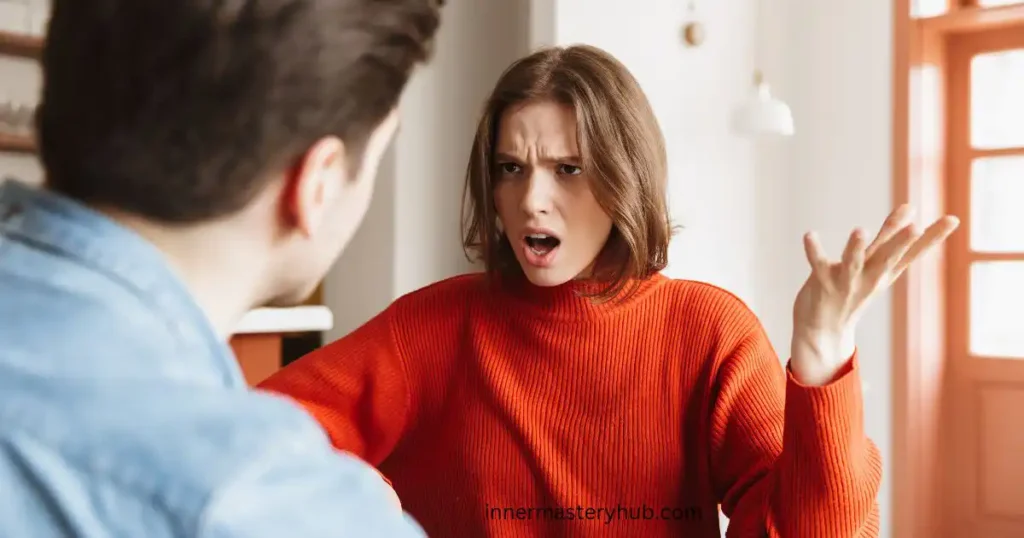
When someone makes fun of you, your immediate reaction might be to defend yourself, argue, or retaliate with insults. However, reacting in anger or frustration often worsens the situation. According to communication experts, the most effective response is to stay calm and assertive.
Instead of getting defensive or upset, try responding with a clear and calm statement. For example, you might say, “I don’t appreciate being made fun of,” or “That comment isn’t funny.” This communicates your feelings without escalating the situation.
In some cases, it’s better to ignore the person altogether. Sometimes, the best response is no response at all. People who make fun of others often want to provoke a reaction, and denying them that satisfaction can be an effective way to handle the situation.
3. Set Boundaries
If the mockery continues, setting boundaries is crucial. Let the person know that their behaviour is not acceptable, and that you will not tolerate being made fun of. Setting clear boundaries can help prevent further incidents.
For example, you can say, “If you continue to make fun of me, I will need to distance myself from you.” Ensure you don’t exceed these boundaries. This shows that you value yourself and your well-being.
4. Ask for Support from Others
If the mockery becomes overwhelming, it’s important to seek support from friends, family, or even a professional. Discussing the situation with someone who cares can provide relief and help you gain a clearer perspective. A therapist can help you work through any emotional distress caused by mockery and build strategies for coping with negative interactions.
Support groups can also be a great resource. Connecting with others who have experienced similar situations can remind you that you are not alone and offer valuable insights into similar issues.
5. Educate Others About the Harm of Mockery
If you’re in a position to do so, educating others about the impact of their behaviour can help reduce the frequency of mockery. Often, people make fun of others without fully understanding the harm they’re causing. By calmly explaining how their words affect you, you may be able to help them see the situation from a different perspective.
For example, you could say, “When you make fun of me, it makes me feel belittled and hurt. I would appreciate it if we could be more respectful towards each other.” This approach encourages empathy and could lead to a more understanding and supportive dynamic.
The Importance of Self-Worth
At the end of the day, dealing with mockery starts with recognising your own worth. While the opinions of others can sting, they don’t define who you are. Building resilience, confidence, and emotional strength is key to navigating these situations.
Incorporate these strategies into your daily life. Whether it’s practising self-affirmation, setting boundaries, or seeking support, you have the power to protect yourself from the negative impact of mockery. Remember, it’s not about changing others; it’s about taking control of how you respond.
Why Some People Mock Repeatedly
Repeated mockery indicates unresolved insecurity, habit patterns reinforced by social approval, or a lack of empathy.
Behavioral Pattern
When mocking others produces laughter, it creates reinforcement.
The brain learns that ridicule can bring attention, status, or entertainment.
Over time, the behavior becomes automatic.
But underneath the habit, the original emotional struggle remains unchanged.
Is Mockery Really About the Other Person?
In most cases, mockery reflects the emotional state of the person making the joke rather than the person being mocked.
The Hidden Inner Process
When someone makes fun of others, a deeper psychological pattern is at work.
People constantly evaluate themselves against others. If they feel they are losing status, they may try to restore balance.
But instead of improving themselves, they shift attention away from their own insecurity.
For example:
- A person insecure about their intelligence mocks someone’s mistake.
- Someone unsure about popularity ridicules another person’s social awkwardness.
- Someone uncomfortable with vulnerability jokes about others’ emotions.
This pattern is well explained by social comparison theory, which states that people evaluate themselves by comparing themselves with others7.
Mockery becomes a shortcut to feeling superior.
Why Groups Sometimes Encourage Mockery
Direct Answer:
Groups sometimes reward mocking behavior because shared laughter creates bonding, even when it happens at someone else’s expense.
Social Dynamics at Work
Humans evolved in groups. Acceptance meant survival.
Because of this, people laugh along with mockery even when they feel uncomfortable.
The reason is simple: belonging feels safer than confrontation.
Group psychology studies show that laughter reinforces group hierarchy. The person being mocked becomes temporarily lower in the social structure.
But this dynamic has a hidden cost. It damages trust inside the group over time.
Sociologist Erving Goffman described this as face-threatening behavior, where people lose social dignity in front of others8.
What Are the Common Misunderstandings About Mockery?
Many people believe mockery is harmless humor, but psychology shows it often reflects insecurity, emotional avoidance, or social competition.
Common Misbeliefs
1. “It’s just a joke.”
Sometimes it is. But repeated mockery usually reflects unresolved emotions.
2. “Confident people tease others.”
True confidence rarely depends on lowering others.
3. “People laugh because it’s funny.”
Often, they laugh because they want social approval.
Understanding these misunderstandings helps shift perspective. The behavior reveals emotional processes, not just personality traits.
What Changes When You Understand the Psychology?
Understanding why people make fun of others shifts your interpretation from personal attack to psychological insight.
The Perspective Shift
When someone mocks you, it is easy to assume something is wrong with you.
But psychology suggests another possibility.
The behavior may reflect:
- insecurity
- emotional discomfort
- desire for attention
- social pressure
This realization does not erase the hurt. But it changes the meaning.
The moment becomes less about your value and more about their internal struggle.
Overcoming the Struggles of Mockery
Cruelty is the obvious response when you ask why people make fun of others. Emotional avoidance, however, is the deeper response.
Often, mocking behaviour is an effort to control feelings of fear, guilt, or insecurity. It’s not evidence of superiority, but a response to internal instability.
Knowing this does not justify injury. However, it alters how you understand things.
Because the behaviour’s appearance of strength declines when you realise the internal conflict that underlies the laughter.
And that transformation is what makes all the difference.
FAQs
Why do people enjoy making fun of others?
Individuals often mock others out of insecurity, jealousy, or a lack of empathy. Mockery can serve as a defence mechanism to mask personal vulnerabilities. Understanding these motivations can help address the behaviour effectively.
How does making fun of others affect mental health?
Being mocked can lead to feelings of inadequacy, anxiety, and depression. Prolonged exposure may lead to decreased self-esteem and increased stress levels.
Why do some people enjoy making fun of others?
Enjoyment of mockery can stem from a desire to feel superior or to conform to a group. Psychological theories suggest that individuals may mock others to boost their own self-esteem.
How can one respond to being mocked?
Responding assertively and calmly can deter further mockery. Setting clear boundaries and seeking support from trusted individuals are effective strategies for managing stress.
Does making fun of others target certain groups?
Yes, individuals from marginalised groups, including those with different appearances, backgrounds, or opinions, are often more susceptible to mockery and bullying.
Why do people make fun of others for no reason?
There is usually a hidden reason. It may not be obvious, but internal triggers like jealousy, comparison, or insecurity drive mocking behaviour. What appears random typically reflects emotional discomfort that the person does not know how to process.
Is making fun of someone a defence mechanism?
Yes, it can function as a psychological defence. Instead of confronting feelings like shame or fear, the person redirects attention outward. This provides temporary relief but often damages relationships in the long term.
How does insecurity lead to mocking?
Insecurity creates internal tension. Mocking someone else shifts focus away from that discomfort. It temporarily restores a sense of control or superiority.
- Martin, R. A., Puhlik-Doris, P., Larsen, G., Gray, J., & Weir, K. (2003). Individual differences in uses of humor and their relation to psychological well-being. Journal of Research in Personality, 37(1), 48–75. https://doi.org/10.1016/S0092-6566(02)00534-2 ↩︎
- Lee, J. Y., Slater, M. D., & Tchernev, J. (2015). Self-Deprecating Humor Versus Other-Deprecating Humor in Health Messages. Journal of Health Communication, 20(10), 1185–1195. https://doi.org/10.1080/10810730.2015.1018591 ↩︎
- Paine, A. L., Hashmi, S., Fink, E., Mitchell, P., Howe, N., … et al. (2025). Humorous peer play and social understanding in childhood. Communications Psychology, 3, Article 76. https://www.nature.com/articles/s44271-025-00252-3 ↩︎
- Eisenberger, N. I., Lieberman, M. D., & Williams, K. D. (2003). Does rejection hurt? An fMRI study of social exclusion. Science, 302(5643), 290–292. https://doi.org/10.1126/science.1089134 ↩︎
- Han, Z.-Y., Ye, Z.-Y., & Zhong, B.-L. (2025). School bullying and mental health among adolescents: A narrative review. Translational Pediatrics, 14(3), 463–472. https://doi.org/10.21037/tp-2024-512 ↩︎
- Jędryczka, W., Sorokowski, P., & Dobrowolska, M. (2022). The role of the victim’s resilience and self-esteem in experiencing internet hate. International Journal of Environmental Research and Public Health, 19(20), 13149. https://doi.org/10.3390/ijerph192013149 ↩︎
- Festinger, L. (1954). A theory of social comparison processes. Human Relations, 7(2), 117–140. https://doi.org/10.1177/001872675400700202 ↩︎
- Goffman, E. (1967). Interaction ritual: Essays on face-to-face behavior. ↩︎