
Activities for Introverts: Why Quiet People Need More Than “Alone Time”
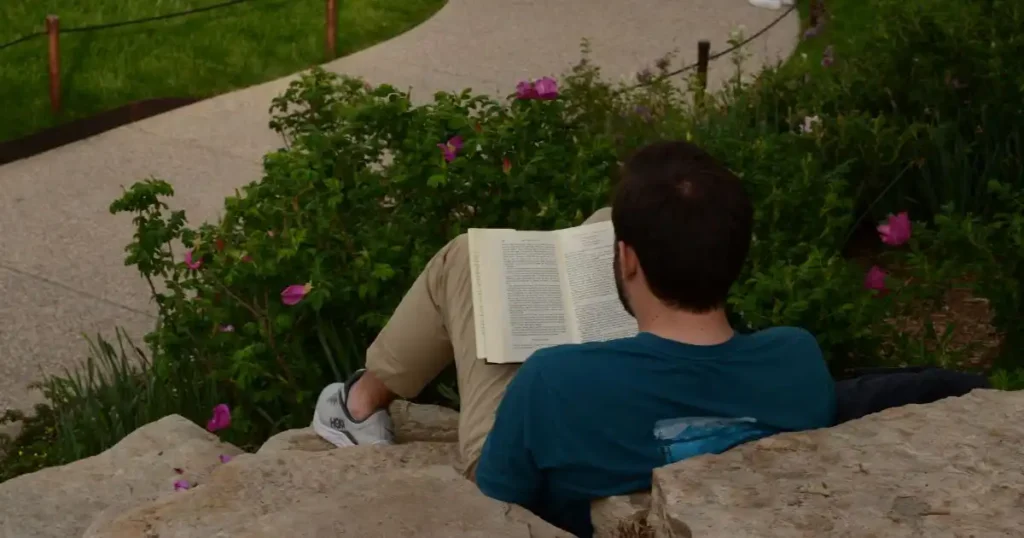
Activities for introverts work best when they reduce overstimulation, support emotional regulation, and create psychological safety, because introversion is deeply connected to nervous system processing rather than social weakness.
Do you seek calm, run out of social energy, and thrive in your thoughts? Nice to meet another introvert! A world that promotes extroversion makes it easier to feel less contemplative. Fear not, dear friend. Not a social faux pas, introversion is a superpower.
If you’re an introvert, you have a magical inner world full of creativity, depth, and thoughtful observation. And guess what? Honing these gifts demands more than idle chatter. It requires introvert-friendly activities that recharge our energy, excite our passions, and allow us to connect with ourselves and the world on our own terms.
Research from the American Psychological Association shows that introverts process information more deeply and may be more sensitive to external stimulation1. Meanwhile, studies on nervous system regulation suggest that constant sensory and emotional input can increase mental fatigue and emotional stress over time.
What is an introvert?
Like me, an introvert finds life and tranquillity in solitude rather than in social situations. I have strong feelings for calm, introspective times over busy, cacophonous ones. I may come across as guarded to some people, but that’s because I value genuine relationships. I am alone to rejuvenate and think.
The reason I feel overwhelmed by too much outside stimuli isn’t that I don’t like people. Please understand that if you notice me withdrawing, I’m simply seeking a moment to relax and find inner peace.
What Are the Activities for Introverts?
Activities for introverts are low-pressure, emotionally safe, and mentally restorative experiences that help reduce overstimulation while supporting creativity, emotional regulation, and inner balance.
These activities usually involve:
- Quiet environments
- Deep focus
- Meaningful engagement
- Low social demand
- Emotional recovery
Introvert-friendly activities support the restoration of internal energy rather than external stimulation.
Cause
Introverts experience mental fatigue more quickly from social interaction, noise, multitasking, or emotional intensity.
Effect
Without proper recovery, introverts may experience:
- Emotional exhaustion
- Anxiety
- Irritability
- Brain fog
- Social burnout
- Nervous system overwhelm
Example
An extrovert may feel energised after a crowded gathering, while an introvert may need hours or days alone afterwards to reset emotionally.
According to research by psychologist Hans Eysenck, introverts tend to have higher cortical arousal levels, meaning their brains can become overstimulated more easily2.
Why Do Introverts Feel Emotionally Drained So Easily?
Introverts feel drained because their brains process stimulation, emotions, and social cues more deeply. It is not a weakness. It is a difference in nervous system processing.
For extreme introverts, this mental and emotional fatigue can become even more intense after prolonged social interaction or sensory overload.
Many people think introverts “don’t like socialising.” But over the past years of working with emotionally overwhelmed clients, I’ve seen that many introverts actually enjoy connection deeply, but only when it feels emotionally safe and meaningful.
The exhaustion usually begins long before they leave the room.
A crowded environment creates constant input:
- Facial expressions
- Tone shifts
- Noise
- Social expectations
- Emotional monitoring
- Self-awareness
Your brain keeps interpreting it all.
Naturally, this creates internal overload.
Research published in the Journal of Neuroscience found that highly sensitive and introverted individuals exhibit increased activity in brain regions associated with deeper information processing3.
That is why forced social interaction can feel physically tiring, not just emotionally uncomfortable.
What Happens Inside an Introvert During Overstimulation?
Overstimulation happens when the brain receives more emotional or sensory input than it can comfortably process, leading to stress, emotional shutdown, anxiety, or exhaustion.
Here’s what often happens internally:
Trigger
Too much noise, social interaction, emotional tension, or pressure.
Interpretation
Your brain unconsciously begins scanning:
- “Am I saying the right thing?”
- “Do I need to keep performing socially?”
- “Can I emotionally handle more interaction?”
Emotion
Anxiety, pressure, emotional fatigue, irritability, or numbness.
Consequence
Withdrawal, avoidance, mental exhaustion, or emotional shutdown.
Many introverts mistake this reaction for personal failure. But psychologically, it is often nervous system protection.
This matters because many “motivational” approaches tell introverts to push harder socially. But if the nervous system already feels overwhelmed, forcing stimulation increases emotional burnout.
What Are the Best Activities for Introverts?
The best activities for introverts reduce overstimulation while creating emotional calm, creativity, focus, or meaningful internal engagement.
Here are the most effective activities for introverts based on emotional regulation, nervous system recovery, and psychological restoration.
Why Is Reading One of the Best Activities for Introverts?
Reading helps introverts mentally engage without emotional overload. It creates calm focus while reducing social stimulation.
Reading is a low-pressure cognitive activity that supports imagination, emotional processing, and relaxation.
Cause
Introverts prefer depth over constant stimulation.
Effect
Reading can:
- Lower stress levels
- Improve emotional understanding
- Support a calm nervous system
- Increase empathy
Example
Many introverted clients I’ve worked with use reading as emotional decompression after overwhelming days because it creates psychological quiet.
Research from Harvard Medical School suggests that reading can reduce stress and improve cognitive health4.
- quiet hobbies for introverts
- calming solo activities
- low stimulation hobbies
- Relaxing activities for anxiety
How Does Journaling Help Introverts Process Emotions?
Journaling helps introverts process emotions internally rather than silently carry emotional tension.
Many introverts process emotions inwardly. But when thoughts stay trapped internally for too long, emotional overwhelm builds quietly.
Journaling slows mental noise.
It allows:
- Emotional regulation
- Self-reflection
- Cognitive clarity
- Trauma processing
- The nervous system releases
The “Internal Release” Method
- Write the emotion without editing
- Identify what triggered it
- Notice the body response
- Separate facts from fears
- End with self-understanding, not judgment
This process supports emotional healing because introverts intellectualize emotions instead of feeling them safely.
Research published in Advances in Psychiatric Treatment found that expressive writing can improve emotional health and reduce stress symptoms5.
Why Do Creative Activities Feel So Healing for Introverts?
Creative activities help introverts express internal experiences without the pressure of social performance.
Creativity gives emotion somewhere to go.
That matters because many introverts absorb emotional energy deeply while rarely expressing it outwardly.
Helpful creative activities include:
- Drawing
- Painting
- Writing poetry
- Photography
- Music
- Crafting
- Pottery
- Digital art
Cause
Unexpressed emotional buildup creates internal pressure.
Effect
Creative expression releases emotional tension safely.
Example
One client I worked with struggled with emotional shutdown after daily work meetings. Surprisingly, photography walks helped regulate her anxiety more effectively than forcing more social exposure.
Psychologically, creativity increases dopamine and supports emotional regulation pathways in the brain.
Are Outdoor Activities Good for Introverts?
Yes. Quiet outdoor activities help regulate stress hormones while reducing mental overload and emotional fatigue.
Nature reduces nervous system activation.
According to research published in Frontiers in Psychology, time spent in natural environments can lower cortisol levels and improve emotional well-being6.
The best outdoor activities for introverts include:
- Nature walks
- Hiking
- Gardening
- Birdwatching
- Solo cycling
- Sitting near water
- Forest walks
Why Nature Feels Different Emotionally
Nature does not demand performance.
- There are no social expectations.
- No emotional monitoring.
- No pressure to respond quickly.
Your nervous system finally stops scanning.
That is why many introverts feel emotionally lighter outdoors.
What Social Activities Work Best for Introverts?
Introverts usually prefer meaningful, low-pressure social interaction over large or highly stimulating environments.
Introverts are misunderstood as antisocial and are not avoiding the connection itself.
They are avoiding emotional exhaustion.
Healthy social activities for introverts include:
- One-on-one coffee conversations
- Small book clubs
- Quiet game nights
- Deep conversations
- Workshops
- Volunteer work
- Shared creative classes
What Mistakes Do Introverts Commonly Make?
Many introverts mistakenly force themselves into overstimulation because they believe their natural needs are wrong.
Over the years, I’ve repeatedly seen these patterns with clients:
Mistake 1: Forcing Constant Social Energy
They try to “keep up” socially while ignoring the signals of exhaustion.
Mistake 2: Confusing Solitude With Avoidance
Healthy solitude restores energy.
Emotional avoidance creates disconnection.
The difference matters deeply.
Mistake 3: Ignoring Nervous System Fatigue
Many introverts intellectualise stress rather than recognise physical overload.
Mistake 4: Choosing Numbing Activities Instead of Restorative Ones
Scrolling endlessly online increases mental fatigue rather than reducing it.
Mistake 5: Feeling Guilty for Needing Space
This guilt creates internal conflict:
“I need rest, but I shouldn’t.”
That emotional resistance becomes more exhausting than the social interaction itself.
What Are the Best Low-Stimulation Activities for Introverts With Anxiety?
Low-stimulation activities calm the nervous system by reducing sensory overload and increasing emotional safety and internal focus.
Helpful activities include:
- Puzzles
- Meditation
- Gentle yoga
- Audiobooks
- Baking
- Tea rituals
- Coloring
- Slow stretching
- Mindful walking
Low-stimulation activities reduce excessive sensory and emotional input.
Cause
Anxiety increases nervous system sensitivity.
Effect
Quiet repetitive activities help the brain feel safe again.
Research from the American Psychological Association shows that mindfulness practices can significantly reduce stress and anxiety symptoms7.
Can Introverts Enjoy Group Activities Too?
Yes, but introverts usually enjoy group settings more when the environment feels emotionally predictable and meaningful.
The issue is rarely “people.”
The issue is emotional intensity, unpredictability, and overstimulation.
Introverts thrive in:
- Structured groups
- Purpose-driven communities
- Calm environments
- Emotionally safe conversations
Example
An introvert may feel drained at loud parties but energized during a thoughtful workshop or meaningful discussion circle.
That difference is psychological safety.
A. Solitary Activities for Introverts
While most activities include people, introverts may also enjoy them. Introverts prefer these activities.
1. Writing or journaling
Writing allows thought and expression, whether it’s a diary whispering secrets to a blank page or a novel coming to life. Your mind’s music replaces the outer world’s turmoil here. No forced encounters or limelight needed—just you, your pen (or laptop), and the endless world waiting to be written.
Reflect on the day’s highs and lows, and write your sentiments honestly. Focus on grammar rather than your repressed inner self. You can find your writing voice by trying techniques such as ordered reflections or stream-of-consciousness writing.
Introverts struggle to express their thoughts, so they take some time to write them down. Introverts would escape into their fictitious worlds and inner landscapes via writing.
2. Learn a language
Surviving with only one language is impractical in today’s globalized environment. You can learn quickly and efficiently as an introvert. It’s one of those brain-stimulating activities for introverts to enjoy. It can be used to learn another language. It will enhance not just your CV but also your personality.
Learning a language is an introvert’s solo song to the world. It’s an adventure of hidden meanings, a whispered dialogue with distant cultures, and a demonstration of the introverted force of deep engagement. So open that grammar book, turn on the language learning app, and let the world expand word by word in your introverted mind.
This is just the start. Personal tales, learning resource recommendations, and challenge-overcoming tips can make your introverted language learners more engaged.
3. Meditation or Mindfulness
Meditation helps introverts have a peaceful way and a quiet time to reconnect. Sit beside a window or in a nice nook to avoid interruptions. Relax, focus on your breath, and let your mind calm. Instead of clearing your mind, notice your ideas and return to your breath.
Explore your emotions and gain insight by exploring your inner landscape. Adding guided meditations might enhance your meditation experience.
4. Drawing or painting
Many Introverts express themselves without words by drawing or painting. First, create a comfortable and creative space. Get your pencils, watercolors, or any other materials you prefer. Don’t stress about making a masterpiece; follow your instincts.
You can release your imagination here. Let drawing mental scenes or painting abstract feelings be a conversation with yourself. Try different colors and strokes and get lost in the details. The joy of creating, not perfection, matters.
5. Listening to Podcasts
Listening to podcasts is like entering a secret world of stories and knowledge, making it an ideal activity for introverts seeking a quieter escape. Settle in, put on your favorite headphones, and let the podcast magic begin. Pick things that interest you, such as true crime, science, or fiction, for your path.
Podcasts allow introverts to explore new ideas without social pressure. You can absorb, contemplate, and ponder while reading a captivating story or listening to informative conversations. You can perform it anywhere, whether you’re outside or at home.
6. Practice your spirituality daily
It is essential to engage in spiritual practice in this modern environment. At times, everything can be so stressful and chaotic that you need to find something to comfort you and help you get through it. You can achieve the serenity and tranquillity you have always desired through spirituality, which leads to eternal bliss.
B. Social Activities for Introverts
Despite their antisocial behaviour, here are some activities for introverts to get social:
1. Crafting or Exploring a Hobby
Crafting for introverts is about seeing something lovely emerge from your hands. It’s a technique that allows you to express yourself without words and illustrate your inner world. The thrill of finishing a thing is unmatched.
Your passion is like a cherished friend, providing comfort and pleasure. Each stitch conveys a tale of this self-discovery journey. No explanation or rush, just you and your craft developing at your speed. Enjoy the solitude of carving wood, painting canvases, or making miniatures as introverted activities.
2. Reading a Good Book or Going to the Library
This is a solo trip activity for introverts, a chance to escape into diverse realms without leaving your safe home. Whether fiction, nonfiction, or poetry, each book becomes a companion who understands your desire for isolation.
The way words on a page speak straight to your spirit has a unique intimacy. Grab that book you’ve wanted to read, close your eyes, and enjoy the introverted bliss of becoming lost in a great novel. It’s more than just reading; it’s a mental journey for introverts seeking solace and inspiration in the vast realms of literature.
3. Blogging
Blogging is an ideal way for introverts to interact with others, as they can create content independently without requiring direct interaction. Blogging allows you to work from home without meeting with your boss.
You can appear confident and competent without the intimidation of face-to-face engagement. Introverts can connect with their audience through blogging by creating engaging material. They can openly communicate their thoughts, feelings, and ideas.
4. Learning a new skill
I think that each of us should acquire at least one new skill approximately once a year. More introverted people tend to be exceptionally gifted in concentration and learning new things quickly.
Learning a talent would not be a challenge for you. But it will enhance the already-stunning personality you possess. You will be astonished at how well you perform in these particular areas if you try to discover what truly motivates you in life.
5. Go for a long drive
The outdoor activities you would most certainly like to do include taking long drives, alone or with a loved one. It gives you a great deal of opportunity to go to various locations while still allowing you to remain in your “introverted” skin.
Going on long drives by myself has taught me many valuable lessons. Exploring a variety of locations, cuisines, and dining establishments. But I adore it, a truly enjoyable way to experience the best activities for introverts.
6. Deep Talk with a loved one
A deep talk, as compared to a small talk with a loved one or best friend, can rejuvenate introverts. They find comfort in meaningful interactions in a quiet environment, whether it’s a phone conversation, a handwritten letter, or a tea talk. These private conversations enable introverts to express their thoughts, dreams, and feelings without fear of criticism.
The beauty of such partnerships lies in their understanding and acceptance, which allows introverts to be themselves. Introverts find delight and refresh their spirits in these times of connection, recognizing the profound kinship that comes from sharing their quiet hearts with someone who knows them.
C. Outdoor Activities for Introverts
1. Get Involved in Activism
Find your approach to contribute to activism, not just be the loudest voice. Start by studying environmental, social, or animal rights issues that concern you. Strategic acts are introverts’ strengths. Participate in online communities, petitions, events, and social activities for introverts on social media. Without public speaking, writing intelligent articles, or blogging, you can help share your thoughts.
Your words can change the world, and introverts can be influential online. Consider writing letters, contacting officials, or making activist art. Thoughtful, well-researched communication suits introverts. Join virtual events or small groups of like-minded individuals to plan and engage in debates. Your quiet deeds can have a profound influence, making introverted activism a beautiful thing.
2. Take long walks
These quiet moments allow introverts to refuel away from the hub. Exploring your neighborhood or the countryside is an opportunity to reflect. Small chat is unnecessary, just the breeze in your hair and the world unfolding at your speed.
The simplicity of these exercises makes them beautiful. The trip, the discoveries, and the tranquillity of each stride or pedal stroke are more important than the goal. Inhale the fresh air, listen to the birds, and daydream. Long walks or bike rides can become a form of introverted self-care that improves both physical and mental health.
So put on your sneakers or bike and explore the open road. It’s more than exercise; it’s an inward quest to reconnect with oneself and find peace at a calm pace.
3. Go hiking
Hiking is simple and beautiful. No big plans, just you, the route, and exploration. Each step, whether on a short nature stroll or a challenging mountain climb, symbolizes self-discovery. You pick the pace, enjoy the landscape, and relax in the wilderness.
Put on your bag and hiking boots, and head outdoors. Not only a workout, but it’s also an introverted escape and treatment that recharges in nature. Hiking is a personal journey activity for introverts to find peace, inspiration, and a deep connection to nature.
4. Gardening
Introverts tend to get energized in a peaceful nature retreat. Grow plants and create a personal green space to help introverts connect with nature and find tranquillity. Growing, weeding, and caring for plants is a relaxing pattern that suits introverts’ need for contemplation.
The tranquil company of plants helps introverts recuperate in the garden. In solitude, they may appreciate the subtle beauty of blossoms and the earthy aroma of dirt. Growing plants and nurturing the introvert’s spirit in their green sanctuary is a pleasant and revitalizing vacation.
So, these are some of my favorite activities for introverts to get the most out of themselves.
Activities for Introverts Are Really About Emotional Safety
Activities for introverts are not simply about “being alone.” Many of these traits also appear in broader characteristics of female introversion, where emotional depth, self-awareness, and sensitivity influence how women recharge and connect with others.
They are about nervous system balance, emotional recovery, and internal clarity.
That distinction matters because many introverts spend years believing something is wrong with them. They push harder socially while ignoring signals of emotional exhaustion. But eventually, the nervous system speaks louder through burnout, anxiety, irritability, or emotional numbness.
Over the last few years of working with clients navigating emotional overwhelm and self-regulation struggles, I’ve seen that healing often begins when introverts stop treating their sensitivity like a flaw.
Your mind is not asking for isolation.
It is asking for environments, rhythms, and activities that feel emotionally sustainable.
And once you understand that, you stop fighting yourself internally.
You begin responding to your emotional needs with clarity instead of guilt.
If this article resonated with you, consider sharing it with someone who constantly feels drained but cannot explain why. Sometimes, understanding your nervous system changes how you understand yourself.
People Also Ask
What are relaxing activities for introverts at home?
Engage in a variety of relaxing activities at home tailored for introverts. Enjoy reading a book, practicing meditation, or exploring a new hobby such as painting or writing. Listen to calming music, watch a favorite movie, or enjoy a quiet, solo meal. These activities create a serene and rejuvenating environment for introverts.
How can introverts enjoy socializing without draining their energy?
Introverts can enjoy socializing without feeling drained by setting time limits for social events, choosing smaller gatherings, and selecting quieter venues. Prioritize meaningful one-on-one conversations, take breaks when necessary, and clearly communicate your boundaries to friends and acquaintances. Balancing social interactions with adequate alone time is key to helping introverts enjoy socializing.
How can introverts relax mentally?
Introverts relax best through low-stimulation activities like reading, walking in nature, meditation, journaling, music, creative hobbies, and quiet reflection.
Can introverts enjoy socializing?
Yes. Most introverts enjoy meaningful connections, especially in calm, emotionally safe environments. They usually prefer smaller groups and deeper conversations over highly stimulating social settings.
- American Psychological Association – Introversion and stress research
American Psychological Association ↩︎ - Eysenck, H. J. (1967). The biological basis of personality. Springfield, IL: Charles C. Thomas. ↩︎
- Jagiellowicz, J., Xu, X., Aron, A., Aron, E. N., Cao, G., Feng, T., & Weng, X. (2011). The trait of sensory processing sensitivity and neural responses to changes in visual scenes. Social Cognitive and Affective Neuroscience, 6(1), 38–47. https://doi.org/10.1093/scan/nsq001 ↩︎
- Harvard Medical School. Reading and mental health benefits
Harvard Medical School ↩︎ - Advances in Psychiatric Treatment. Expressive writing and emotional health
Cambridge University Press Journals ↩︎ - Frontiers in Psychology. Nature exposure and stress reduction
Frontiers in Psychology ↩︎ - American Psychological Association. Introversion and stress research
American Psychological Association ↩︎
Written By Mehwish Qurayshi
Mehwish Qurayshi is a Trauma-Informed Emotional Wellness Counsellor trained through NICABM’s Treating Trauma Master Series, which includes NBCC-approved education in Trauma Treatment and Emotional Wellness & Emotional Intelligence – Sourcecode Academia. She has over five years of experience providing emotional wellness counselling, helping individuals heal from trauma, regulate emotions, and build healthy relationships.