
Hobbies for Introverts: The Emotional Science Behind Solitary Joy

Hobbies for introverts support emotional regulation, nervous system healing, and mental recovery by reducing overstimulation and helping introverts reconnect with themselves safely and naturally.
More Than Social Escapes
Hobbies for introverts are activities that restore emotional energy without overwhelming the nervous system. They help quiet the mental noise caused by overstimulation, emotional masking, social exhaustion, and chronic overthinking. The right hobby does more than pass the time. It creates emotional safety, inner clarity, and psychological recovery.
You may have noticed something confusing. After social events, you feel tired instead of energized. Even enjoyable conversations can leave your mind crowded for hours afterward. While other people seem refreshed by constant interaction, you quietly crave silence, creativity, or space to breathe.
Many of these needs are also reflected in broader characteristics of female introverts, in which emotional depth, self-awareness, and sensitivity influence how women recharge and connect with the world.
That does not mean something is wrong with you.
Research suggests that highly sensitive individuals show deeper processing of environmental information, which may contribute to overstimulation and mental fatigue1.
Over the last 5 years, working with emotionally overwhelmed clients, especially highly sensitive introverts, I’ve seen one repeating pattern. Most introverts are not struggling because they “don’t like people.” They are struggling because their nervous systems process stimulation deeply. Their mind keeps replaying interactions long after everyone else has moved on.
This is why hobbies for introverts matter emotionally, not just recreationally.
Many people think hobbies are simply entertainment. Psychologically, hobbies become emotional regulation. They help your brain shift from Survival Mode into restoration. They reduce emotional buildup while also creating a sense of identity outside social expectations.
Research supports this deeply. Leisure activities that foster creativity and mindful focus can lower stress hormones and improve emotional well-being2.
When your nervous system constantly scans for social pressure, judgment, rejection, or performance, your body never fully relaxes. Quiet hobbies interrupt that cycle naturally.
Instead of forcing a connection, they rebuild a connection with themselves.
List of 19 Best Hobbies For Introverts
Here is my curated list of the best hobbies for introverts;
1. Listening to Podcasts
For those who need time to think, podcasts might be a great way to pass the time. Picture yourself in a comfortable environment, possibly enjoying a cup of tea or coffee and listening to podcasts.
You can read stories, pick up new skills, or hear life lessons from others. It’s similar to discussing without having to respond. You have the option to pause, skip, or rewind. For introverts like you, it’s the ideal pastime because you have complete control over how you participate.
2. Journaling
Journal writing can be compared to having a private conversation with oneself. There, you can voice your opinions and feelings without fear. Avoid using flowery language; be honest and let your feelings speak for themselves.
Writing about your experiences helps you better comprehend them, especially if you’re an introvert. With just a pen and paper, you may use this simple yet powerful technique to make the most of some alone time and reflect on your day.
Reflective hobbies are especially common among INFJ women, who often process emotions internally before sharing them with others.
3. Learning a new Language
Especially if you’re a lone individual, learning a new language is a rewarding and delightful hobby. When you’re ready, you can speak with others, take your time, and work at your own pace.
You’re by yourself as the new words slowly combine to create a secret language that only you can decipher. On this serene adventure, you can explore an entirely new cosmos from the comfort of your favourite location at home.
4. knitting
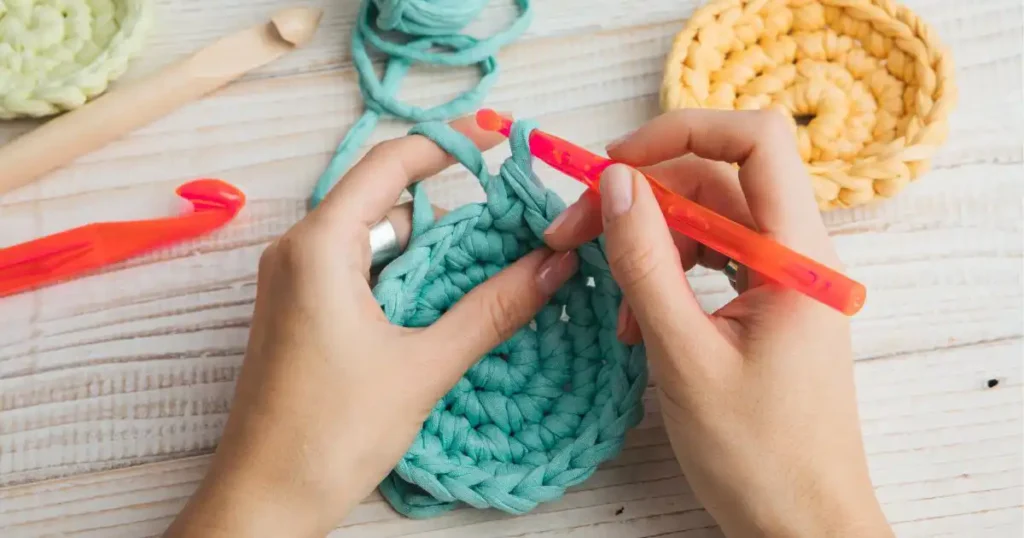
Knitting and crocheting are hobbies that complement a solitary lifestyle. Working on these peaceful, quiet projects by yourself allows you more time to relax and concentrate on a straightforward but imaginative task. Enjoy the tranquillity of your home while creating lovely items, such as blankets, caps, and scarves, with knitting or crocheting.
You can use your hands creatively and in a calming way with these repeated actions. You feel as though you’ve accomplished something because you can see how far you’ve come along the route. Knitting and crocheting can be great hobbies for introverts who prefer quiet time, music, or audiobooks.
5. Solving a puzzle
Do you enjoy spending time alone? Solving puzzles is a fantastic hobby for introverts like you. It’s just you and the issue, so no need to talk to anyone. Sit down and enjoy a stimulating game with a jigsaw puzzle, Sudoku puzzle, or riddle.
One of the greatest activities for introverts that doesn’t require the taxing social contacts that other pursuits may be is solving problems. Whether it’s a strategic game, a difficult crossword puzzle, or a complicated mathematical issue, it’s just you and the task. Every puzzle is a universe in and of itself, just waiting for you to discover its mysteries.
Turning off all outside distractions is necessary to maintain concentration when working on a topic. All distractions must be turned off as you dig into a problem.
The only voice you hear in this type of mindfulness is your inner monologue, which leads you through deduction, reasoning, and problem-solving methods. Recharging your mind and feeling incredibly satisfied are two benefits of this intense concentration.
6. Scrapbooking
Do you know how pleasant it is to be by yourself sometimes? Scrapbooking can be an excellent hobby for that reason. The primary goal is to create a one-of-a-kind book featuring your most cherished memories. You can use brief remarks, images, or even tickets from a place you’ve visited.
Scrapbooking involves little more than you and your memories. You are not obligated to talk to anyone else if you choose not to. You have complete control over the appearance of your scrapbook. Using objects and images instead of words is comparable to narrating a story.
7. Creative writing
For introverts, writing creatively can be a rewarding hobby. Writing about your day, creating fictional worlds, or reflecting on your dreams all boil down to putting your thoughts and tales on paper.
Unless you choose to share your work, writing is a way to express your creativity without connecting with others. In this serene environment, you may lose track of time as your ideas come to life and become fully creative.
Creative activities such as writing, drawing, music, and crafts have been linked to improved emotional well-being and stress reduction3.
8. Connect with Nature
Hiking is a great way for introverts to socialise, especially if you prefer to be alone. In a nearby park or woodland, picture yourself walking along a serene route and taking in the view.
It is affordable, easy, and calming. The birds, the breeze, and the changing sky can all be heard without having to deal with people or small talk. Beginners benefit greatly from a 20–30 minute stroll because it offers a welcome mental distraction from indoor activities.
9. Baking
If you enjoy spending time alone, baking can be the perfect hobby for you. It allows you to create anything from scratch, which may be rewarding. You can measure your ingredients, follow the instructions, and observe how easily the ingredients combine to make a delicious dish.
There is no need for a team or group, so that you can work on it in solitude, at your own pace, and in your own space. A rewarding part of your job is the smell of freshly baked goods. Baking is a reassuring and happy activity, whether you share your baked goods or eat them yourself.
10. Doodling or Sketching
You can express yourself creatively by drawing or doodling. Both are cost-effective and adaptable. You can select the instruments you prefer, be it markers, colored pencils, crayons, or even a basic pen. There is no need to produce a masterpiece; you can let your hand do the work and observe what patterns and shapes appear.
It all comes down to your intuition. You can draw while watching TV, listening to music, or even resting. You can unwind and let your mind wander. Take out your paper and pencil and draw whatever comes to mind. Take pleasure in the process and feel successful as you go!
11. Reading
Reading is an enlightening and individualised pastime for introverts. It provides access to other worlds and perspectives. You can travel beyond the present when you read, whether it’s a historical biography, a gripping mystery, or science fiction about far-off planets.
One of the best ways for introverts to relax and increase their vocabulary is to read. It’s also a mental exercise. It shares similar relaxing benefits to cognitive training.
What about audiobooks? For introverts who wish to keep their hands occupied or their eyes relaxed, these are great pastimes. Put on your headphones, hit play, and watch the stories come to life. It’s a fantastic method for reading texts in a contemporary, practical way.
12. Pottery
Pottery is a creative and practical hobby that offers a soothing experience. Although it can be expensive at first (50 pounds of stoneware clay costs about $26.15) and kiln rentals vary in cost, it’s a gratifying craft.
To get started, each session lasts at least an hour and includes basic materials such as clay, glaze, and possibly a pottery wheel. Making something distinct, tangible, and useful with pottery takes time and practice. Exploring creativity in this way is a calming and rewarding experience for introverts.
13. Gardening
Growing plants is a calming activity that allows you to focus on your thoughts. You and nature are alone; you don’t need to speak to anyone.
Seeing your seeds sprout into lovely flowers or mouthwatering foods is also satisfying. Although it’s a simple joy, it holds significant meaning for someone who values peace. The best part, too? Everything may be done at your speed, in your own time, and without pressure. You can be who you are with this interest.
6. Social Hobbies for Introverts
Social hobbies for introverts to establish social connections with others without feeling overwhelmed. Here are some social hobbies for introverts that might suit you:
1. Book Clubs. A book club could be a fantastic opportunity to meet new people if you share my passion for reading. There will be a discussion of various perspectives on the book, but you are not obligated to discuss anything more than you feel comfortable discussing.
2. Photography. Through your camera’s lens, photography allows you to establish connections with others. You can go on photo walks and exchange advice by joining clubs or groups dedicated to photography.
3. Hiking in groups. For those who love the great outdoors, hiking together can be a fulfilling social activity. It lets you mingle and enjoy the peace of the outdoors.
4. Yoga courses. In a calm environment, yoga classes allow you to focus on your practice while interacting with others.
5. Language classes. Learning a language in a group setting can be entertaining and engaging. In this setting, social interaction is optional and non-intrusive. Meeting new individuals and enhancing communication skills can be accomplished by supporting one another’s learning while engaging in casual chats.
6. Volunteering. Connecting with people who share your beliefs might be facilitated by supporting a cause you are enthusiastic about. It’s a deliberate way to interact with people and improve your community.
Finding a hobby that lets you socialise on your own terms, without feeling obligated to engage with people all the time, is crucial. Enjoy browsing through this list of introverted activities to find the one that suits you best!
The Emotional Science Behind Hobbies for Introverts
Overstimulation
Introverts often process social interactions, emotions, and sensory information more deeply than other people. A busy day, crowded environment, or long conversation can leave them feeling mentally and emotionally drained.
Hobbies help reduce this overstimulation. Quiet activities such as reading, gardening, drawing, or baking give the brain a chance to slow down and recover from constant input.
Emotional Recovery
Many introverts carry stress and emotions internally. Without healthy ways to release that pressure, emotional exhaustion can build over time.
Hobbies create space for emotional recovery. They help introverts relax, reflect, and reconnect with themselves. Creative and calming activities can make it easier to process feelings without becoming overwhelmed.
Guilt Around Rest
Many introverts feel guilty for needing time alone. Society praises constant productivity and social activity, making rest feel like something that must be earned.
The truth is that rest is not laziness. For introverts, hobbies are often an important form of self-care. Taking time to recharge helps support emotional balance, mental clarity, and overall well-being.
Are Solitary Hobbies Healthy or a Form of Avoidance?
Solitary hobbies are healthy when they restore emotional energy and improve well-being. They become avoidant only when they completely replace human connection out of fear, shame, or unresolved emotional pain. This distinction matters deeply.
Healthy solitude feels nourishing. Avoidance feels emotionally defensive. One creates clarity. The other creates emotional shrinking.
Introverts naturally need solitude. But emotional isolation develops when:
- Fear of abandonment increases
- Social rejection wounds remain unresolved
- Trauma bonding affects trust
- Emotional regulation becomes difficult
The goal is not constant socialising. The goal is emotional balance.
Healthy hobbies support connection with yourself first. From there, relationships become less emotionally draining because your nervous system is no longer operating from a state of depletion.
Why Do Hobbies Feel Different for Introverts?
Hobbies often feel different for introverts because they do more than provide entertainment. They help restore energy, calm the mind, and reduce emotional overload.
Introverts tend to process emotions, conversations, and environmental stimulation more deeply. After a busy day, their nervous system may still be processing everything that happened. This can leave them feeling mentally tired even when they enjoyed the experience.
That is where hobbies become important.
Activities like reading, journaling, gardening, drawing, or listening to music give the brain a chance to slow down. They reduce overstimulation and create a sense of calm without adding more demands or pressure.
Hobbies also support emotional regulation. Instead of carrying stress, frustration, or anxiety internally, introverts can process those feelings through creative expression, reflection, or quiet focus.
For many introverts, a hobby is not simply a way to pass time. It is a healthy way to recharge, reconnect with themselves, and help the nervous system return to balance after a stressful or stimulating day.
Can Hobbies for Introverts Improve Mental Health?
Yes. Hobbies can support mental health by giving introverts a healthy way to relax, recharge, and manage stress. Quiet activities such as reading, journaling, gardening, or drawing help calm the mind and reduce emotional overload.
Hobbies also create a sense of enjoyment and purpose outside of daily responsibilities. They can improve mood, reduce anxiety, and help introverts feel more connected to themselves. Over time, even small hobbies can become an important part of emotional well-being.
Research has found that enjoyable leisure activities are associated with better mood, lower stress, and improved psychological well-being4.
What Mistakes Do Introverts Make When Choosing Hobbies?
One common mistake is choosing hobbies based on what other people expect rather than what genuinely feels enjoyable. This can make a hobby feel like another obligation instead of a source of relaxation.
Another mistake is turning every hobby into a goal, side business, or productivity project. Hobbies work best when they provide enjoyment and recovery, not pressure. Introverts also sometimes ignore their need for rest and choose activities that provide more stimulation rather than helping them recharge.
Hobbies for Introverts Are Not Escapes From Life
Hobbies for introverts are often misunderstood as avoidance. But emotionally healthy solitude is not disconnection. It is restoration.
When your nervous system spends years adapting to overstimulation, emotional masking, people-pleasing, or constant social pressure, quiet activities become deeply healing.
The real shift happens when you stop asking, “Why am I different?” and start asking, “What environment helps me feel emotionally safe enough to exist fully?”
Because the right hobby does something powerful, it gives your mind somewhere peaceful to land.
If you’ve been emotionally overwhelmed, constantly overstimulated, or disconnected from yourself, begin paying attention to what naturally calms your body rather than what impresses others.
Many hobbies that feel restorative to introverts support the same needs found in broader characteristics of female introverts, including emotional depth, self-reflection, and sensitivity to overstimulation. Understanding these needs helps transform solitude from something you justify into something you value.
People Also Ask
What kinds of hobbies are good for introverts?
Introverts tend to thrive with hobbies that allow for solitude or minimal social interaction, such as reading, journaling, indoor gardening, sketching, or nature walks.
Such hobbies replenish energy rather than drain it.
Are there hobbies for introverts that involve socialising, but gently?
Yes, some hobbies for introverts combine solo time with optional connection: small book clubs, photography meetups, board games with friends, or online hobby groups. These allow you to interact on your own terms.
Are there cost-effective hobbies for introverts?
Definitely, many hobbies for introverts cost little to start: reading at the library, sketching with basic supplies, journaling, and going on nature walks. It’s more about mood than money.
Hobbies for introverts to make friends?
Try book clubs, board games, hiking groups, painting classes, language meetups, volunteering, or coding clubs. These hobbies create small, structured conversations so that you can connect without pressure. Go regularly, talk to one person at a time, and friendships will grow naturally.
Outdoor hobbies for introverts?
Try solo hiking, nature walks, birdwatching, fishing, photography, cycling, kayaking, gardening, stargazing, or geocaching. These hobbies offer quiet time outdoors, gentle movement, and space to recharge. You can go at your own pace while enjoying fresh air, scenery, and calm.
Hobbies for introverts with anxiety and depression?
Try calm hobbies: reading, journaling, colouring, puzzles, gentle yoga, short walks, baking, simple crafts, knitting, or listening to podcasts. Start small, choose quiet activities, and set easy goals. Creative hobbies can reduce stress, improve mood, and build confidence.
- Jagiellowicz, J., Xu, X., Aron, A., Aron, E. N., Cao, G., Feng, T., & Weng, X. (2011). The trait of sensory processing sensitivity and neural responses to changes in visual scenes. Social Cognitive and Affective Neuroscience, 6(1), 38–47. https://doi.org/10.1093/scan/nsq001 ↩︎
- American Psychological Association. Leisure and stress reduction research.
American Psychological Association ↩︎ - Stuckey, H. L., & Nobel, J. (2010). The connection between art, healing, and public health: A review of current literature. Frontiers in Psychology, 1, 215. https://doi.org/10.3389/fpsyg.2010.00215 ↩︎
- Pressman, S. D., Matthews, K. A., Cohen, S., Martire, L. M., Scheier, M., Baum, A., & Schulz, R. (2009). Association of enjoyable leisure activities with psychological and physical well-being. Psychosomatic Medicine, 71(7), 725–732. https://doi.org/10.1097/PSY.0b013e3181ad7978 ↩︎
Written By Mehwish Qurayshi
Mehwish Qurayshi is a Trauma-Informed Emotional Wellness Counsellor trained through NICABM’s Treating Trauma Master Series, which includes NBCC-approved education in Trauma Treatment and Emotional Wellness & Emotional Intelligence – Sourcecode Academia. She has over five years of experience providing emotional wellness counselling, helping individuals heal from trauma, regulate emotions, and build healthy relationships.