
Are You Masking Fake Femininity with Empowerment?
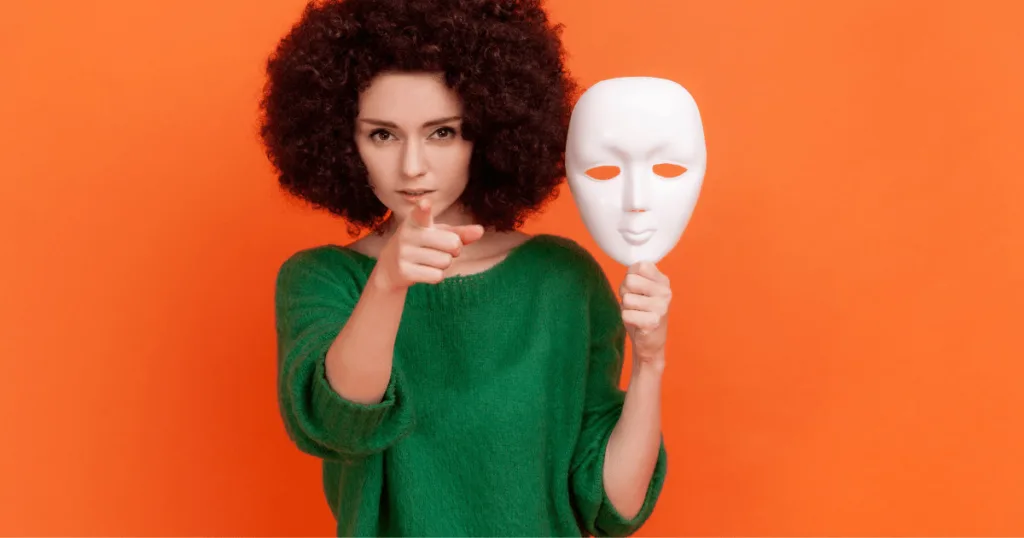
Fake femininity refers to performing traditionally feminine behaviors, appearance, or personality traits primarily to gain approval, meet societal expectations, or avoid rejection rather than expressing one’s authentic self. Authentic femininity, by contrast, reflects genuine values, personality, and self-expression.
In a world where beauty standards and social pressures are overwhelming, the idea of femininity frequently faces distortions. It is essential to expose the layers of what is commonly called “fake femininity” to empower women to accept who they truly are.
In this blog, we dispel myths and reveal the reality behind the façade. Together, we will uncover the underlying honesty, enabling you to reimagine what it means to be a woman.
What is fake femininity?
The term “fake femininity” describes an inaccurate or false representation of feminine traits, frequently shaped by cultural norms, prejudices, and outside influences. It means adhering to socially mandated standards of conduct, appearance, or roles that may not align with one’s own self or personal preferences.
According to a theory, some feminine expressions are performed rather than genuine, possibly due to a desire to conform to or be accepted by society1. Identifying and opposing these imposed ideas is a necessary step in tearing down the layers of fake femininity. It also encourages people to accept themselves rather than conform to stereotypes.
What Is Authentic Femininity?
Absolute femininity is self-expression that is free from social pressure and stereotypes. Adopting particular skills and qualities and living a genuine and fulfilling life are key.
Authentic femininity has no right way. It varies from person to person, influenced by attitudes, beliefs, and experiences. Cool traits of real femininity include:
Self-acceptance: Authentically feminine women love themselves, warts and all. They don’t strive to be someone else or conform to society.
Genuinely feminine ladies are confident in their abilities and worth. They speak out and stick up for themselves.
Compassion: Authentically feminine women care about others. They like assisting people.
Authentically feminine women are creative and expressive. They like expressing themselves through employment, hobbies, and relationships.
Strong intuition: Authentically feminine women are intuitive. They trust their instincts and inner voice.
Being perfect or fulfilling social norms is not authentic femininity. It’s about being genuine and enjoying a fulfilling life.
The Idea Behind Femininity
The concept of femininity is complex and has undergone significant evolution. In many cultures, femininity has been linked with qualities such as:
- Grace
- Beauty
- Gentleness
- Compassion
- Nurturing
- Creativity
- Intuition
- Emotionality
- Receptivity
Evolution of the idea of fake femininity
The concept of femininity has changed over time in the following ways:
Women have always been linked with passivity and submissiveness in traditional civilisations. However, there has been a change in the perception of femininity in recent years, one that is more powerful. These days, strength, resiliency, and self-determination are connected with femininity.
The concept of femininity is expanding to express a broader range of diverse identities and cultural backgrounds, emphasising physical characteristics such as wearing cosmetics and having long hair, which are frequently highlighted in Western culture’s conventional conceptions of femininity. However, traditional clothing and hairstyles are just two of the numerous ways you can express your femininity.
Examples Of Fake Feminine Energy
Here are a few instances of artificial feminine energy:
1. The presence of Helplessness.
To conform to social conventions that link femininity with weakness, some people may put up a front of helplessness and dependency. This can involve acting in an incompetent manner and relying too heavily on others.
2. Overly Perfectionism.
An excessive emphasis on physical appearance may result from the strain to live up to society’s unattainable beauty standards. Seeking an immaculate appearance all the time, frequently with false means, could be an indication of faux feminine energy.
3. Suppression of Real Emotions.
Defending a false feminine identity includes pretending to be always happy or repressing genuine feelings, such as rage and assertiveness. Research in gender psychology suggests that many women learn to suppress anger, assertiveness, or vulnerability because of social expectations surrounding gender roles2.
4. Conforming to Stereotypical Roles.
Observing rigidly established feminine roles without considering people’s preferences and talents is another example. This could mean adhering to social norms regarding one’s profession, family, or other aspects of life.
5. Behaviour Seeking Approval.
Fake femininity can be recognised by the persistent pursuit of praise or affirmation from others at the expense of one’s own well-being. This could entail acting in accordance with social norms rather than personal beliefs and preferences.
6. Collaboration is not the same as competition.
Some people have a competitive mentality and view other women as competitors rather than partners. This competitive mindset may stem from an emphasis on the value of scarcity or the drive to outdo others.
True femininity vs. Fake femininity
1. Prioritise Creating Connections More than Taking
To tap into your authentic feminine energy and focus on connection rather than just taking develops attributes that build genuine relationships.
Developing empathy is crucial. Understand others’ thoughts and opinions. Build supporting relationships for deep growth, understanding, and support. Instead of transactions, take interactions as shared experiences where everyone benefits from one another’s abilities.
Vulnerability strengthens relationships. Share your true self for a more natural connection. Opening up about your ideas and feelings allows others to do the same, creating a deeper connection. Actively listen throughout conversations to strengthen bonds. Live in the moment; listen attentively.
2. Inner alchemy, not looks, defines femininity.
Beyond appearance, authentic feminine energy is rooted in inner qualities and personal traits. Inner alchemy, nurturing empathy, compassion, and character, is the essence of femininity.
Feminine inner alchemy entails connecting with emotions and intuition. Understanding and accepting one’s own ideas and feelings enables one to develop accurate and honest self-expression.
Resilience and adaptability define authentic femininity. A woman who cherishes her femininity finds the strength and grace to overcome life’s hardships. This resilience stems from inner alchemy, which transforms obstacles into opportunities for growth and self-discovery, rather than relying on external validation.
3. Actions and influence define authentic womanhood.
The urge to be all eyes on oneself suggests artificial femininity, stressing superficial aesthetics and attention. Conforming to social norms that value external approval often overshadows true womanhood.
A woman’s decisions reflect her values and principles, defining her womanhood. Women’s behaviours show their character, whether promoting social justice or building relationships.
“Fake femininity is being watched. “Real womanhood is the actions you take and the impact you make”, conveys the depth and authenticity of womanhood.
4. Fake femininity manipulates, but absolute femininity is sincere.
Fake femininity thrives on deception and manipulation to get specific outcomes. It relies on external approval and lacks sincerity since it focuses on projecting a desired image rather than being oneself.
In contrast, true femininity thrives on honesty, inner security, and wisdom. Transparency and honesty empower authentic women to convey their thoughts, feelings, and intentions. Absolute femininity relies on open communication and self-honesty, not manipulation.
Authentic, divine feminine women value integrity and build connections on shared values and genuine admiration; truthfulness and authenticity guide their professional and social contributions, as well as their personal relationships.
5. Real femininity is about safety, whereas fake femininity is about insecurity.
Authentic femininity comes from a deep sense of security and inner strength, which people boldly embrace. Women with absolute femininity can navigate life’s challenges with elegance, confidence, and wisdom, as their inner strength surpasses conventional expectations. This security boosts self-esteem and encourages women to express themselves without external validation.
Insecurities lead to fake femininity, where people put on a show to avoid judgment or fit in. Insecure femininity develops comparison, competition, and rivalry by displaying actions and appearances that don’t align with one’s true self.
Why Do Women Develop Fake Femininity?
Fake femininity rarely develops overnight. For many women, it begins as a way to feel accepted, loved, or safe. Over time, these learned behaviors can become so automatic that they feel like part of their personality. Here are some common reasons why it happens:
1. Childhood Conditioning
Many girls grow up hearing messages like, “Good girls don’t get angry,” “Always be nice,” or “Don’t speak too loudly.” These messages can teach them to hide their real thoughts and emotions to gain approval, even when it doesn’t feel authentic. According to psychologist Sandra Bem, children learn ideas about masculinity and femininity from their families, schools, and culture, which influence how they see themselves and behave3.
2. Trauma and Emotional Pain
Past experiences such as emotional neglect, criticism, bullying, or unhealthy relationships can make women believe they must act a certain way to avoid getting hurt. They may create a “perfect” feminine image to protect themselves from rejection or conflict. Research by Bessel van der Kolk suggests that trauma changes how people relate to themselves and others, leading them to adopt protective behaviors rather than authentic self-expression4.
3. Attachment Wounds
Women who grew up feeling unseen, unloved, or emotionally unsupported may seek validation from others as adults. They may try to become the “ideal woman” in hopes of earning love and acceptance instead of believing they are already enough.
4. Social Media Influence
Social media often promotes a narrow image of what a “feminine woman” should look and act like. Seeing carefully edited photos and idealized lifestyles every day can pressure women to copy these behaviors, even if they don’t match who they truly are. Research has consistently linked frequent social media comparison with lower body satisfaction, reduced self-esteem, and greater pressure to meet unrealistic appearance standards5.
5. Unrealistic Beauty Standards
Society often sends the message that beauty determines a woman’s worth. This can lead women to focus more on looking feminine than on feeling confident, kind, or emotionally healthy.
6. Fear of Rejection
Many women worry that showing their real opinions, setting boundaries, or expressing anger will make others dislike them. To avoid rejection, they may hide parts of themselves and act in ways they believe others will approve of.
7. People-Pleasing Habits
Some women learn to put everyone else’s needs before their own. They may always appear agreeable, sweet, or accommodating because they fear disappointing others. Over time, this people-pleasing behavior can become mistaken for genuine femininity, even though it comes from fear rather than authenticity.
How to transform fake femininity
Fake feminine energy can be released in several ways. Here are some:
- Get rid of unpleasant emotions. Blame, bitterness, and guilt can block feminine energy naturally. Journal, see a therapist, or exercise to release these emotions.
- Connect with the body. The body holds feminine energy. Give your body what it needs by listening to it. This may include eating well, getting sufficient sleep, and exercising regularly.
- Be Assertive. Being passive or subservient is not the essence of feminine energy. It all comes down to stating your wants and being forceful. Be bold, stand up for yourself, and make requests.
- Surround Yourself with Positive People. Create a network of friends and mentors who encourage genuineness. Participate in groups that support diversity and individual expression.
- Cultivate Inner Strength. Face trials and setbacks to build resilience and inner strength. Celebrate your accomplishments, no matter how modest, to boost your recognition.
- Social cultures. Recognise how cultural expectations and beauty standards may have shaped your view of femininity. Question and challenge these external conformity pressures.
- Connect with Your True Self. Investigate and accept your aspirations, interests, and values. Reflect on what truly brings you joy and contentment, beyond cultural expectations.
- Accept Recognitions. Recognise that flaws are a regular aspect of being human. Accept your imperfections and distinguishing characteristics as they contribute to your natural femininity.
The Bottom Line
True femininity doesn’t require pretending or hiding who you are. It grows from self-acceptance, emotional security, and the freedom to express yourself honestly. When you let go of the need to meet everyone else’s expectations, your authentic feminine qualities naturally begin to shine.
People Also Ask
What is masking fake femininity?
Masking fake femininity means pretending to act, dress, or speak in ways that society labels as “feminine” to fit in or please others, even when it doesn’t feel natural. It’s about performing gender roles rather than expressing your genuine personality or identity.
How can you tell if femininity is fake?
Fake femininity often feels forced or exhausting. Someone might overemphasise politeness, sweetness, or appearance to gain approval. Absolute femininity feels natural and confident; fake femininity feels like an act to impress or protect oneself from judgment.
Why do people mask femininity?
People often mask femininity to meet expectations, avoid criticism, or feel accepted. Cultural pressure, fear of rejection, or trying to appear “ladylike” can cause someone to hide their authentic behaviour or emotions. It’s a way of coping with societal expectations surrounding gender.
Is masking fake femininity harmful?
Yes, it can be. Constantly performing femininity can cause stress, low self-esteem, and confusion about one’s true identity. It prevents genuine self-expression and can make relationships feel inauthentic because others connect with the mask rather than the real person.
How can someone stop masking fake femininity?
Start by noticing when you act differently to please others. Practice honesty in your speech, dress, and emotional expression. Surround yourself with people who value authenticity, and remind yourself that true femininity, or any identity, comes from comfort, not conformity.
Is masking fake femininity itself bad or fake?
Not at all. Femininity is beautiful and powerful when it’s genuine. The issue isn’t femininity—it’s when people feel forced to fake it. True femininity can mean strength, compassion, or creativity, expressed in ways unique to each person.
What’s the benefit of dropping the mask of fake femininity?
Letting go of fake femininity brings freedom, peace, and confidence. You connect better with others, make honest choices, and feel comfortable in your own skin. Authenticity replaces fear, allowing your real personality and strength to shine.
- Bem, S. L. (1981). Gender Schema Theory: A Cognitive Account of Sex Typing. Psychological Review, 88(4), 354–364. ↩︎
- Brody, L. R., & Hall, J. A. (2010). Gender, emotion, and socialization. In M. Lewis, J. M. Haviland-Jones, & L. F. Barrett (Eds.), Handbook of Emotions (3rd ed., pp. 429–454). Guilford Press. ↩︎
- Bem, S. L. (1981). Gender Schema Theory: A Cognitive Account of Sex Typing. Psychological Review, 88(4), 354–364. ↩︎
- Van der Kolk, B. A. (2014). The Body Keeps the Score: Brain, Mind, and Body in the Healing of Trauma. Viking. ↩︎
- de Valle, M. K., Gallego-García, M., Williamson, P., & Wade, T. D. (2021). Social media, body image, and the question of causation: Meta-analyses of experimental and longitudinal evidence. Body Image, 39, 276–292. ↩︎
Written By Mehwish Qurayshi
Mehwish Qurayshi is a Trauma-Informed Emotional Wellness Counsellor trained through NICABM’s Treating Trauma Master Series, which includes NBCC-approved education in Trauma Treatment and Emotional Wellness & Emotional Intelligence – Sourcecode Academia. She has over five years of experience providing emotional wellness counselling, helping individuals heal from trauma, regulate emotions, and build healthy relationships.