
8 Signs of Cold-Hearted People and What They Mean

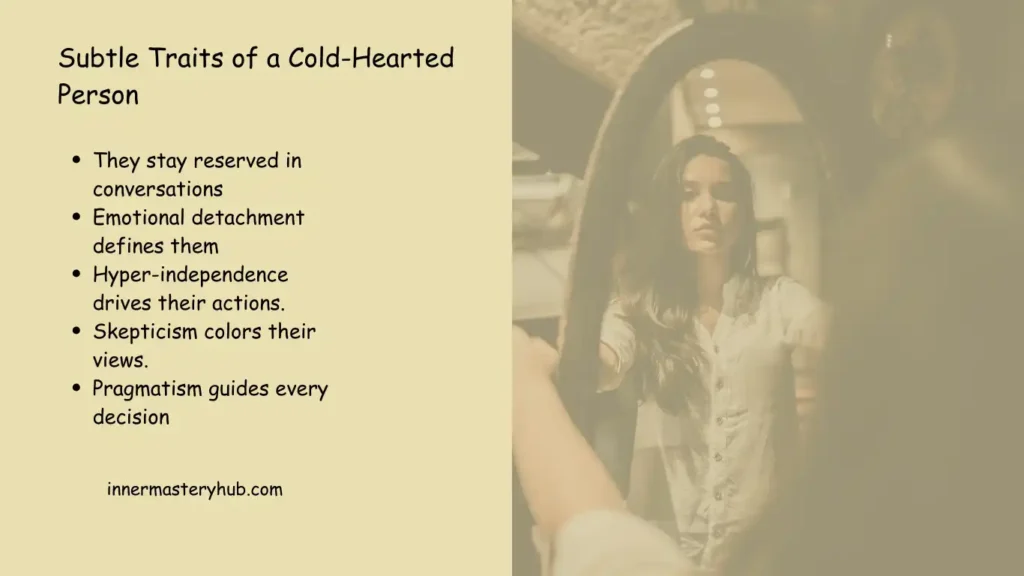
Cold-hearted people are often described as those who show little warmth or concern for others’ feelings. They may dismiss your worries, make hurtful comments, or seem uninterested when you need support. But not everyone who is quiet or keeps their feelings private is cold-hearted.
What Is a Cold-Hearted Person?
A cold-hearted person is someone who seems distant, shows little empathy, or doesn’t pay much attention to how their words and actions affect others. You may notice this when someone brushes off your feelings, makes hurtful comments, or acts as though your concerns don’t matter.
For example, you might tell a friend about something that’s been bothering you, only for them to change the subject or tell you that you’re overreacting. It can hurt, especially when you were hoping for a little understanding.
But being quiet or keeping feelings private doesn’t necessarily make someone cold-hearted. Some people find it difficult to open up or show affection, even when they care. Pay attention to how someone treats you over time. Do they listen when you tell them something hurts? Do they try to understand, or do they keep dismissing what you feel?
Why Do Some People Seem Cold-Hearted?
Some people seem cold-hearted because they find it hard to talk about feelings. They might give you advice when all you wanted was someone to listen, stay quiet when you’re upset, or change the subject when things get personal.
You may know someone who’s always ready to help with a problem but doesn’t know what to say when you’re sad. Sometimes, this is just how they communicate. Others may have grown up keeping their feelings to themselves or become more emotionally guarded after difficult experiences.
But you can’t always tell why someone acts distant.
What matters is how they treat you when you tell them you’re hurt. Do they listen and try to understand, or brush it off? They don’t need to have the perfect words. Even a simple “I’m here if you want to talk” can mean a lot.
If you’re finding it hard to talk about your own feelings, learning more about emotional awareness may help you put those feelings into words.
8 Signs of a Cold-Hearted Person You May Notice
Some signs of a cold-hearted person include brushing off your feelings, making hurtful comments, rarely admitting mistakes, and showing little interest when you need support. But someone being quiet or uncomfortable with emotions doesn’t automatically mean they don’t care.
Look at how they treat you over time, especially when you’ve told them something hurts.
1. They Avoid Talking About Feelings
You tell someone about a problem, and they quickly change the subject. Or you try to have a serious conversation, but they say, “Can we not talk about this right now?”
Some people need time before they’re ready to talk. Others aren’t used to sharing their feelings. Being emotionally guarded doesn’t necessarily mean someone lacks empathy.
But if someone keeps avoiding conversations that matter to you and never returns to them, you may feel there’s no point in opening up.
A 1998 study by Laurenceau and colleagues found that sharing feelings and feeling understood by the other person were important parts of closeness in the interactions they studied.1
That doesn’t mean someone has to share everything. What matters is whether you can talk openly when something needs attention.
2. They Brush Off Your Feelings When You’re Upset
You tell someone you’re having a difficult day, and they respond, “You’re making a big deal out of nothing.”
You weren’t asking them to fix your problem. You just wanted them to listen.
Sometimes people advise because they don’t know what else to say. That doesn’t necessarily mean they don’t care. But if they regularly make your worries seem silly or unimportant, it’s understandable that you may feel hurt.
A 2023 research review on close relationships discusses the importance of feeling understood and cared for in close relationships.2
You don’t need someone to agree with everything you feel. Being able to talk without getting put down is a reasonable thing to want.
3. They Put You Down Instead of Talking About the Problem
You forget something important, and rather than telling you they’re upset, they say, “You never do anything right.”
Now you’re not just talking about a mistake. You’re being criticized as a person.
There’s a difference between saying, “I was disappointed that you forgot,” and making you feel foolish or worthless.
Research by Gottman and Levenson (1992) linked negative interactions and defensive behavior with greater difficulties among the married couples they studied.3
Notice whether someone can tell you what’s wrong without insulting you.
4. They Make Plans Without Thinking About You
Imagine someone agreeing to meet you, then changing the plans at the last minute for the third time. They expect you to rearrange your day but get annoyed when you can’t.
Sometimes plans change. Everyone has responsibilities, and nobody can always put another person first.
But if someone repeatedly expects you to make room for them while showing little interest in your time or needs, the relationship may begin to feel unfair.
You could say, “I understand things come up, but I need more notice when plans change.”
Their response can tell you more than the canceled plans themselves.
5. They Turn the Blame on You When You Speak Up
You tell someone, “That joke embarrassed me.”
Instead of talking about the joke, they reply, “You’re too sensitive. You always find something to complain about.”
The conversation has moved away from what hurt you. Now you’re trying to explain why you had a right to feel upset.
People sometimes react poorly when they’re embarrassed or feel criticized. But if someone repeatedly changes the subject instead of taking responsibility for their behavior, it can become difficult to work through disagreements.
Research by Gottman and Levenson (1992) also examined how defensive interactions relate to difficulties in marriage.
A simple “I didn’t realize that hurt you. I’m sorry” can be more helpful than arguing over who is to blame.
6. They Rarely Ask About Your Life
You listen while a friend talks about work, family, and everything that went wrong that week. But when you start sharing your own news, they interrupt or bring the conversation back to themselves.
It might happen once because they’re distracted or excited. Most of us have done that.
But when you’re always the one listening, you may start wondering whether they’re interested in your life at all. You might even feel you’re in a one-sided friendship.
Try noticing what happens when you need their attention. Do they ask questions? Remember something important you told them? Give you a chance to finish?
You don’t have to count who talks more. Just notice whether there’s room for both of you.
7. They Break Your Trust and Don’t Try to Make Things Right
You tell someone something private and later find out they’ve shared it with others.
When you bring it up, they say, “It’s not that serious,” and expect you to forget about it.
Maybe they didn’t understand how private the information was. But once you’ve explained why it mattered, how they respond becomes important.
A 2019 experimental study involving university students examined how apologies can help rebuild trust in some circumstances. An apology doesn’t work equally well for everyone.4
In everyday relationships, saying sorry can matter, but so can what happens afterward. If someone keeps making promises without changing their actions, you may want to learn more about apologies that don’t lead to change.
You may need time, a clear apology, and a reason to believe the same thing won’t happen again.
8. They Keep Doing Something You’ve Asked Them to Stop
Someone makes jokes about your appearance in front of friends. You tell them privately that it embarrasses you, but they keep doing it.
When you ask again, they say, “Relax, it’s only a joke.”
You don’t have to assume they’re trying to hurt you. But you also don’t have to pretend you’re comfortable with something you’ve clearly asked them to stop.
This is where the difference between intention and impact matters. Someone may not mean to upset you, but your feelings still deserve consideration.
For example, you might say, “I know you think it’s funny, but I don’t. Please stop making jokes about my appearance.”
If they continue, you can decide whether to leave the conversation, spend less time with them, or set a firmer limit.
Someone can be quiet, independent, or slow to open up and still be caring. Rather than trying to work out whether they’re truly cold-hearted, notice how they respond when you tell them what matters to you.
How Can You Tell if Someone Is Emotionally Distant or Hurtful?
Being emotionally distant doesn’t always mean someone is hurtful. A person may find it hard to show affection, talk about their feelings, or open up to you, even when they care. Some people are simply more emotionally guarded than others.
But there’s a difference between someone who finds it hard to express feelings and someone who keeps hurting you. They might make fun of your worries, blame you when you tell them you’re upset, or keep doing things you’ve asked them to stop.
One bad conversation doesn’t tell you everything about a person. What happens when you bring it up later? Do they listen and try to understand, or do they brush it off again? Understanding the difference between intent and impact may help you think about what happened without having to guess what someone meant.
You can be patient with someone who needs time to open up. But that doesn’t mean you have to keep accepting behavior that hurts you.
Can Someone Seem Cold but Still Care About You?
Yes, a person can seem emotionally cold and still care about you. Some people don’t express affection easily, but they may show concern by helping you, remembering important details, or checking on you during difficult times.
For example, someone might struggle to talk about feelings but still notice when you’re having a bad day and offer practical help. Sometimes, understanding someone’s emotional awareness can help you see why expressing feelings may not come easily to them.
However, showing care in one way doesn’t mean your other needs should be ignored. You may want more affection, honest conversations, or reassurance.
Instead of guessing whether someone cares, tell them what would help you feel closer. If they tend to focus on logic rather than feelings, you could say, “I know you’re trying to help, but sometimes I just need you to listen.”
Notice whether they’re willing to listen, even if expressing emotions isn’t easy for them.
Do Cold-Hearted People Have Feelings?
Yes, people who seem cold-hearted have feelings too, even if they don’t show them easily. They may feel sad, worried, or hurt but prefer to keep those feelings to themselves.
You might know someone who stays quiet during an argument but tells you later how upset they were. Some people find it hard to express their emotions, especially when a conversation gets uncomfortable.
A study by Gross and John (2003) found that people who often hide their emotions may still experience strong feelings. Not showing much emotion doesn’t mean someone feels nothing.5
But you can’t always tell what someone feels by looking at them. If they say or do something that hurts you, you can talk about it without trying to figure out what’s going on in their mind. Understanding the difference between intent and impact may help you focus on what happened rather than guessing why they did it.

Can You Tell if Someone Is Cold-Hearted by Their Face or Body Language?
No, you can’t tell if someone is cold-hearted just by looking at their face or how they sit or stand. Some people don’t smile much, avoid eye contact, or sit with their arms crossed. That doesn’t mean they don’t care.
For example, you might be telling a friend something upsetting, but they keep looking away. You may think they’re ignoring you, when they might just be nervous or unsure what to say.
Barrett et al. (2019) reviewed research on facial expressions and found that you can’t always tell what someone is feeling by looking at their face. The way someone sits or moves can be easy to misread, too.6
Before deciding someone doesn’t care, try being curious instead of judgmental.
If you’re not sure whether they’re listening, you could ask, “Is this a good time to talk?” Their answer may help you understand what’s going on better.
How Can a Cold-Hearted Person Affect You Emotionally?
Being around someone who keeps brushing off your feelings can leave you feeling hurt, alone, or unsure of yourself.
For example, you might stop sharing your worries with your partner because they often tell you you’re overreacting. Even when you’re together, you may feel like you have no one to talk to.
In a study of 240 couples, Brandão (2026) found a link between feeling dismissed by a partner and higher levels of emotional distress. This doesn’t mean everyone will feel the same way.7
If these conversations leave you upset, take a little time for yourself before deciding what to do next. You could write down what happened or talk to someone you trust. If you often feel that your feelings don’t matter, you may find it helpful to read more about coping with emotional invalidation.
How Do You Deal With a Cold-Hearted Person?
You can deal with someone who seems cold-hearted by telling them what hurts, asking for what you need, and deciding what you’ll do if the same behavior continues.
For example, if they keep making jokes about something personal, you might say, “I’ve told you I don’t like those jokes. If they continue, I’m going to leave the conversation.”
If speaking up feels difficult, having a few words ready for a difficult conversation may help.
When things get heated, you can take a break rather than trying to settle everything at once. The NHS also recommends taking time out during difficult conversations and returning when everyone feels calmer.
You can’t decide how someone else will respond, but you can decide what you’re willing to accept. Learning more about what’s within your control may help you think about your next step.
If you feel stuck, talking to someone you trust may help you work out what you want to do.
4 Ways to Deal With Someone Who Keeps Hurting Your Feelings
1. Pay Attention to What Keeps Happening
Think about how this person treats you when you disagree or tell them something hurts. Was it just one bad conversation, or do they treat you this way often?
If you’re unsure, write down what happened. It may help you see things more clearly, especially if you keep thinking about the same conversation.
2. Take a Break When You’re Upset
If someone says something that hurts or makes you angry, you don’t have to keep talking.
Take a break. Go for a short walk, get some fresh air, or talk to a friend. You can discuss what happened later, when you’re ready.
You don’t have to sort everything out in one conversation.
3. Tell Them What You’re Not Okay With
You can tell someone when their words or actions hurt you without getting into a long argument.
For example, you might say, “I want to talk about this, but if you keep insulting me, I’m going to leave.”
You can’t make someone listen or change, but you can decide what you’ll do if they keep treating you that way.
4. Think About How Much Time You Want to Spend With Them
You may still care about someone but not want to share everything with them. Maybe you stop talking about personal things, see them less often, or take some time away.
You don’t have to end a relationship because of one difficult day.
Think about how they treat you, whether things have improved, and what feels right for you. If you’re unsure, talk it through with someone you trust.
Final Thoughts on Dealing With a Cold-Hearted Person
It’s hard when you care about someone but don’t feel understood by them. You may keep hoping they’ll listen or show a little more kindness.
Sometimes people need time to open up. But you don’t have to spend all your time trying to get someone to understand you.
You deserve relationships where you can talk about your feelings without being laughed at or made to feel foolish. And if you’ve been keeping things to yourself, it’s okay to start sharing them with someone you trust.
Frequently Asked Questions
What Are the Signs of a Cold-Hearted Person?
A cold-hearted person may seem distant, brush off your feelings, criticize you harshly, or show little interest when you’re upset. For example, you might share something painful, only to hear, “You’re overreacting.” But one bad response doesn’t tell you everything about someone. Notice how they treat you over time, especially when you tell them something hurts.
Why Do Some People Become Cold-Hearted?
There isn’t one reason. Some people find it hard to talk about feelings, while others may have become more guarded after difficult experiences. Someone who grew up in a home where feelings weren’t discussed may also find emotional conversations uncomfortable. But you can’t know someone’s past just by how they act, and being distant doesn’t always mean they don’t care.
How Do You Deal With Someone Who Is Cold-Hearted?
Start by telling them what bothers you. You might say, “When you laugh at something I’m upset about, it hurts. I’d like you to listen.” If they keep brushing off your feelings, think about what you’re willing to accept. You can take a break from difficult conversations, spend less time with them, or talk to someone you trust.
Is Being Cold-Hearted the Same as Being Emotionally Guarded?
No. Someone who is emotionally guarded may keep their feelings private but still care about others. For example, they might find it hard to comfort you with words but check on you later. Being hurtful is different. It may involve repeatedly mocking your feelings or ignoring something you’ve asked them to stop doing.
Can a Cold-Hearted Person Change?
Some people can become more open and thoughtful in how they treat others, especially if they’re willing to listen and work on their behavior. But change isn’t something you can make happen for them. If someone has hurt you, notice what they do after you’ve talked about it. Are they making an effort, or are you having the same conversation again and again?
Is Being Cold-Hearted a Personality Disorder?
No. Being cold-hearted isn’t a personality disorder or a medical diagnosis. It’s a word people use to describe someone who seems distant or uncaring. You can’t tell whether someone has a mental health condition because they rarely show feelings, avoid personal conversations, or act unkindly. Those behaviors alone don’t explain what’s happening.
Can Being Around a Cold-Hearted Person Affect Your Confidence?
It can, especially if someone regularly puts you down or makes you feel foolish for having feelings. You might start thinking twice before speaking up or wonder whether you’re asking for too much. Not everyone reacts this way, but if it’s happening to you, talk to someone you trust and give yourself time to think about what you need from the relationship.
- Laurenceau, J.-P., Barrett, L. F., & Pietromonaco, P. R. (1998). Intimacy as an interpersonal process: The importance of self-disclosure, partner disclosure, and perceived partner responsiveness in interpersonal exchanges. Journal of Personality and Social Psychology, 74(5), 1238–1251. https://doi.org/10.1037/0022-3514.74.5.1238 ↩︎
- Arican-Dinc, B., & Gable, S. L. (2023). Responsiveness in romantic partners’ interactions. Current Opinion in Psychology, 53, Article 101652. https://doi.org/10.1016/j.copsyc.2023.101652 ↩︎
- Gottman, J. M., & Levenson, R. W. (1992). Marital processes predictive of later dissolution: Behavior, physiology, and health. Journal of Personality and Social Psychology, 63(2), 221–233. https://doi.org/10.1037/0022-3514.63.2.221 ↩︎
- Ma, F., Wylie, B. E., Luo, X., He, Z., Jiang, R., Zhang, Y., Xu, F., & Evans, A. D. (2019). Apologies repair trust via perceived trustworthiness and negative emotions. Frontiers in Psychology, 10, Article 758. https://doi.org/10.3389/fpsyg.2019.00758 ↩︎
- Gross, J. J., & John, O. P. (2003). Individual differences in two emotion regulation processes: Implications for affect, relationships, and well-being. Journal of Personality and Social Psychology, 85(2), 348–362.
DOI: https://doi.org/10.1037/0022-3514.85.2.348 ↩︎ - Barrett, L. F., Adolphs, R., Marsella, S., Martinez, A. M., & Pollak, S. D. (2019). Emotional expressions reconsidered: Challenges to inferring emotion from human facial movements. Psychological Science in the Public Interest, 20(1), 1–68. https://doi.org/10.1177/1529100619832930 ↩︎
- Brandão, T. (2026). Perceived emotional invalidation, psychological distress and relationship satisfaction in couples: An actor–partner interdependence mediation analysis. Psychological Reports, 129(4), 2964–2985. https://doi.org/10.1177/00332941241279372 ↩︎
Written By Mehwish Qurayshi
Mehwish Qurayshi is a Trauma-Informed Emotional Wellness Counsellor trained through NICABM’s Treating Trauma Master Series, which includes NBCC-approved education in Trauma Treatment and Emotional Wellness & Emotional Intelligence – Sourcecode Academia. She has over five years of experience providing emotional wellness counselling, helping individuals heal from trauma, regulate emotions, and build healthy relationships.