
Too Much Makeup? The Hidden Emotional Cost of Social Judgment
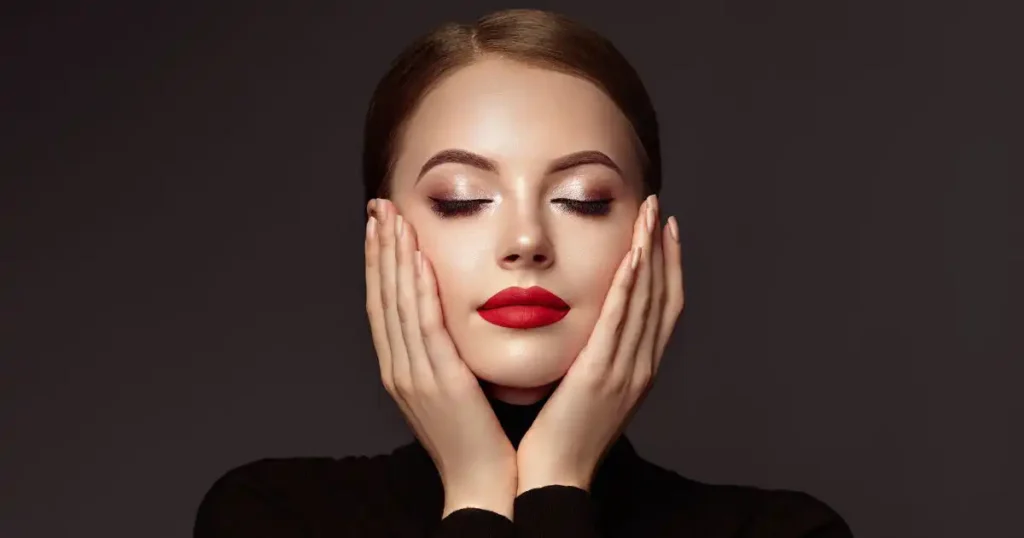
Being judged for “too much makeup” affects more than appearance. It can trigger shame, self-doubt, emotional dysregulation, social anxiety, and a deeper fear of rejection because the criticism is usually interpreted as a judgment of identity, worth, or authenticity rather than makeup itself.
You start wondering if people see you as fake, insecure, attention-seeking, or trying too hard. You replay comments in your head long after the moment ends. Even when nobody says anything directly, you may still feel watched. Judged. Measured.
This is the emotional reality behind the social judgment of “too much makeup.”
Over the last 5 years of working with clients in emotional regulation and self-worth healing, one pattern appears again and again: people rarely break down because of makeup comments alone. They break down because those comments touch something deeper that already feels emotionally unsafe.
The makeup becomes symbolic.
For some people, makeup is creativity. For others, it is protection. Sometimes it is confidence. Sometimes it is Survival after years of criticism, bullying, emotional neglect, trauma, or body shame.
But socially, makeup is treated as a moral statement rather than a personal choice.
That misunderstanding creates emotional pressure that many people silently carry every day.
Why Does Being Judged for “Too Much Makeup” Hurt So Much?
Being judged for too much makeup hurts because the brain interprets social criticism as social rejection. Humans are emotionally wired to seek belonging so that appearance-based judgment can activate shame, anxiety, and self-protection responses.
The emotional pain is not “just sensitivity.” Your nervous system naturally reacts when you feel socially unsafe.
Research from the American Psychological Association shows that social rejection activates brain regions associated with physical pain1. That means emotional judgment can literally feel painful inside the body.
Definition
Social judgment around makeup refers to negative assumptions people make about someone’s personality, intelligence, morality, or emotional state based on cosmetic appearance.
Cause
People attach meaning to makeup because society links beauty to ideas of femininity, attention, sexuality, and self-worth.
Effect
This can create:
- Social anxiety
- Self-monitoring
- Emotional masking
- Fear of being seen
- Low self-esteem
- Perfectionism
- Emotional exhaustion
A woman wears full glam makeup to work because it helps her feel confident. But after hearing repeated comments like “Who are you trying to impress?” she starts wearing less makeup, not because she wants to, but because she fears judgment.
That emotional shift is important.
The makeup changed externally, but internally, fear began to control self-expression.
Is “Too Much Makeup” Really About Makeup?
No, social judgment about makeup is usually not about makeup itself. It is about cultural beliefs, insecurity, gender expectations, projection, and emotional discomfort that people carry internally.
This is where many people misunderstand the situation.
Most criticism sounds surface-level, but emotionally, it reflects deeper social conditioning.
People may unconsciously believe:
- Natural beauty is morally superior
- Women should appear attractive but effortless
- Confidence should not look “too visible.”
- Femininity should stay controlled and socially acceptable
So when someone wears bold makeup, others may react emotionally before they even realize why.
In client work, I have seen this especially in people raised in criticism-heavy environments. They learned early that being “too visible” invited judgment.
Over time, they internalized rules like:
- Don’t stand out too much
- Don’t look high-maintenance
- Don’t attract attention
- Don’t appear overly confident
So even makeup becomes emotionally loaded.
What Happens Psychologically After Repeated Makeup Shaming?
Repeated makeup criticism can gradually affect emotional regulation, identity, self-image, and nervous system safety because the brain begins to anticipate rejection before social interactions even occur.
This process usually happens quietly.
At first, you may brush off comments. But eventually, your brain starts scanning for danger.
You begin thinking:
- “Do I look ridiculous?”
- “Are people staring?”
- “Am I trying too hard?”
- “Should I tone myself down?”
This creates hyper-awareness.
Psychologically, the process looks like this:
Trigger
Someone comments negatively on your appearance.
Interpretation
Your brain interprets it as rejection, humiliation, or social disapproval.
Emotion
Shame, anxiety, embarrassment, anger, sadness, or insecurity appear.
Consequence
You begin shrinking parts of yourself to avoid future judgment.
This is how emotional conditioning develops.
According to research published in Social Cognitive and Affective Neuroscience, repeated social evaluation can heighten stress sensitivity and emotional vigilance over time2.
That is why some people feel emotionally drained even thinking about getting ready in the morning.

Can Makeup Become Emotional Armor?
Yes, makeup can become emotional armor when it helps someone feel safer, more accepted, emotionally regulated, or protected from insecurity and social anxiety.
This does not mean makeup is unhealthy.
The internet pushes extremes:
- “Makeup is fake.”
- “Makeup is empowering.”
- “You should love yourself naturally.”
But emotionally, reality is more nuanced.
For many people, makeup becomes connected to emotional experiences like:
- Bullying
- Acne shame
- Childhood criticism
- Trauma
- Relationship rejection
- Body dysmorphia
- Fear of abandonment
So the makeup is not always vanity.
Sometimes it is emotional management.
Research in psychology suggests that appearance-related behaviors can serve as coping mechanisms linked to self-esteem regulation and social belonging 33.
Over years of working with emotionally overwhelmed clients, I noticed something important:
People are rarely attached to makeup itself. They are attached to how emotionally safe they feel while wearing it.
That changes the conversation completely.
Why Do People Judge Women More Harshly for Makeup?
Women are judged more harshly for makeup because society places contradictory expectations on female appearance. Women are expected to look attractive, but also natural, effortless, and socially acceptable at the same time.
This creates a psychological double bind.
If someone wears little makeup:
“You look tired.”
If someone wears noticeable makeup:
“That’s too much.”
This impossible standard creates emotional confusion.
Research published in Sex Roles found that women experience stronger appearance-based social evaluation than men because female appearance is more closely tied to perceptions of social value and competence4.
This ongoing scrutiny can contribute to:
- Appearance anxiety
- Chronic self-consciousness
- Emotional burnout
- Nervous system stress
- Fear of negative evaluation
And naturally, social media intensifies this pressure.
People compare themselves constantly while also fearing criticism from strangers online.
How Does Social Media Increase Fear Around “Too Much Makeup”?
Social media increases fear around makeup judgment because people are exposed to constant appearance comparison, beauty standards, filtered perfection, and public criticism.
The brain was never designed to process endless comparison.
Yet every day, people scroll through:
- Beauty influencers
- “Clean girl” aesthetics
- Viral criticism videos
- Makeup transformation reactions
- Unrealistic skin standards
This creates emotional overload.
You start questioning your own face before even leaving the house.
Research from Harvard Medical School links excessive social comparison on social media with increased anxiety, depression, and low self-esteem, especially among young women5.
The problem is not only beauty standards.
It is emotional overstimulation.
Your nervous system keeps receiving subtle messages saying:
“You are acceptable only if you look right.”
Over time, this can disconnect people from authentic self-expression.
The Cultural Lens of Applying “Too Much Makeup”
A cultural relic, makeup has been used for ages and has been associated with expectations and history. It is more than merely a self-grooming gadget. Many countries view makeup as a means of enhancing one’s appearance and conforming to traditional beauty standards.
Women may face criticism if they apply excessive amounts of cosmetics in defiance of social norms. The makeup is criticized not only for how it looks; it also goes against traditional ideas of modesty and inherent beauty.
Perception and Professionalism
In professional environments, makeup is seen as a component of an individual’s grooming and presentation.
A well-groomed appearance can demonstrate professionalism and attention to detail, but when makeup is overdone, opinions can turn negative. Biases resulting from this may impact a woman’s perceived credibility and ability.
A well-groomed appearance can demonstrate professionalism and attention to detail, although perceptions can shift negatively when cosmetics are overdone. A woman’s perceived competence and credibility may be impacted by biases arising from this.
Makeup has been shown to affect impressions in several studies. For example, people find the identical faces more attractive when they are depicted wearing makeup than when they are not.
Makeup has also been proven to improve the perception of femininity in the same faces. Additionally, research has shown that enhancing the same look with cosmetics increases perceived status.
Although cosmetics can improve one’s appearance at work, it’s important to identify and debunk the beliefs that associate excessive makeup use with incapacity. We can ensure that people are evaluated based on their contributions and skills rather than their style preferences by doing this.
Objectification and Dehumanisation
Dehumanisation and objectification are serious issues since heavy makeup can lead to women being perceived only as their physical attributes rather than as whole human beings with personality, intellect, and emotions. This is not only a theoretical phenomenon; it has been observed in real-world scenarios and studied in social psychology.
“An Initial Test of the Cosmetics Dehumanisation Hypothesis” found that women’s humanness is diminished by wearing a lot of makeup.
The study found that women with excessive makeup had lower levels of humanness, agency, experience, competence, warmth, and morality than those without makeup. This demonstrates how women who use a lot of makeup can become objects rather than people, which dehumanises them.
Politicians are another example, where women politicians are frequently criticised more for their looks than for their abilities or views. A male colleague of Belgian MP Nawal Benhamou, for example, objectified her by greeting her with remarks about her appearance rather than her political accomplishments.
It is easy to move from appreciating beauty to seeing it as merely something to be seen, as these instances demonstrate. Ensuring that everyone is accepted for who they are, not simply for how they seem, highlights the importance of recognising and combating such biases.
The Psychological Impact
Receiving criticism for wearing too much makeup can have a significant impact on one’s mental health. Self-esteem may be affected by cosmetics, as they are commonly worn to express oneself or boost confidence. Negative criticism can make women feel self-conscious and cause them to view themselves negatively.
Additionally, the pressure to meet beauty standards can lead to anxiety and stress. Critiques can exacerbate vulnerabilities and lead to dependence on makeup for self-esteem; for some people, it becomes a means of concealing perceived imperfections.
Several studies have found that women who wear a lot of makeup are perceived as less capable, kind, and ethical. Women’s self-image and self-worth may change as a result of this viewpoint, which may also impact how they are treated emotionally and professionally.
Being criticised for wearing “too much makeup” can exacerbate anxieties and lead to dependence on cosmetics, yet makeup can also be freeing and a way to express oneself. Acknowledging the personal reasons behind makeup use and promoting acceptance of individual choices in appearance are essential.
What Common Mistakes Do People Make When Dealing With Makeup Judgment?
Most people either become emotionally defensive or completely suppress themselves. Both reactions usually ignore the deeper emotional wound underneath the judgment trigger.
Here are common mistakes people make:
1. Believing Every Judgment Is Truth
Not every opinion reflects reality.
Sometimes people project their own discomfort, insecurity, or conditioning onto others.
2. Making Appearance Equal Identity
When self-worth becomes fully attached to appearance, criticism feels emotionally devastating.
3. Shrinking to Avoid Attention
Many people reduce self-expression to feel emotionally safer, but resentment grows internally.
4. Using Makeup to Escape Emotional Pain Completely
Makeup can support confidence, but it cannot fully heal shame, trauma, or emotional neglect alone.
5. Ignoring Nervous System Responses
People judge themselves for “overreacting” instead of recognising that emotional triggers are body-based Survival responses.
That understanding matters deeply in healing work.
Why do comments about appearance stay in your mind for years?
Appearance-related comments often remain emotionally salient because the brain prioritises socially threatening experiences. If criticism connects to earlier emotional wounds, such as bullying or rejection, the nervous system stores those moments more intensely.
What Does Emotional Regulation Have to Do With Makeup Shame?
Emotional regulation affects how strongly social judgment impacts you because the nervous system determines whether criticism feels manageable or emotionally threatening.
Someone with unresolved emotional wounds may experience criticism of their appearance more intensely because old pain is reactivated.
For example:
A simple comment like:
“You wear too much makeup.”
Can unconsciously connect to:
- Childhood criticism
- Bullying
- Rejection
- Feeling unseen
- Emotional neglect
- Fear of not being enough
This is why reactions often feel bigger than the situation itself.
The emotional brain connects present experiences with past emotional memories.
According to neuroscientist Joseph LeDoux’s work on emotional processing, the brain prioritises perceived threats quickly before rational thinking fully engages6.
So emotionally, your reaction may happen before logic catches up.
Can emotional trauma affect body image and makeup habits?
Yes. Trauma, bullying, emotional neglect, and rejection can strongly influence body image and appearance behaviours. Some people use makeup for emotional protection, control, confidence, or nervous system safety without consciously realising it.
Can You Love Makeup and Still Have Healthy Self-Worth?
Yes. Loving makeup does not automatically mean insecurity. Healthy self-worth depends more on emotional flexibility than appearance choices.
This distinction is important.
You can:
- Enjoy makeup creatively
- Feel confident with glam looks
- Express identity visually
- Use beauty routines as self-care
While also knowing your worth is not dependent on perfection.
The healthiest emotional relationship with makeup usually sounds like:
“I enjoy this, but I am still emotionally okay without external validation.”
That emotional flexibility creates freedom.
Not shame.
Not defensiveness.
Not hiding.
Just a choice.
Why do people say wearing too much makeup is insecure?
People assume heavy makeup reflects insecurity because society incorrectly links natural appearance with authenticity. In reality, makeup choices are influenced by creativity, culture, confidence, emotional safety, trends, profession, and personal preference. Psychological motivation varies from person to person.
In conclusion
The social judgment of “too much makeup” is rarely just about cosmetics.
- It is about visibility.
- Belonging.
- Self-worth.
- Emotional safety.
- Identity.
- Fear of rejection.
That is why these comments affect people so deeply.
When someone criticises appearance, the nervous system often hears something much larger:
“You are unacceptable as you are.”
But understanding the psychology behind that reaction changes everything.
You begin to realize the emotional pain is not weakness. It is the result of human wiring, lived experiences, social conditioning, and emotional memory interacting together.
And while makeup may be part of your expression, it does not define your worth.
The deeper shift happens when your emotional safety no longer depends entirely on external approval.
That is where genuine self-trust begins.
If this article resonated with you, innermasteryhub.com offers trauma-informed emotional healing insights focused on nervous system regulation, emotional awareness, and self-worth recovery for people navigating shame, anxiety, attachment wounds, and identity struggles.
People Also Ask
Why do people judge women for wearing too much makeup?
Discussions about cultural norms and beauty standards frequently raise this issue, since excessive makeup is viewed as a departure from “natural” beauty standards and can invite criticism for appearing inauthentic or overly preoccupied with appearance.
How to deal with judgment for wearing a lot of makeup?
An extremely popular, realistic advice question that emphasizes developing self-reliance, disregarding detractors, and viewing makeup as a form of self-empowerment rather than a means of seeking others’ approval.
What are the psychological effects of being judged for too much makeup?
This query comes up in conversations about mental health and links judgment to social isolation, anxiety, and low self-esteem since it feeds into concerns about not meeting beauty standards.
Can wearing too much makeup lead to dehumanization or objectification?
Research on social psychology questions reveals that wearing a lot of cosmetics can lead people to view a woman less as a complex individual and more as an object, reducing their sense of her agency, warmth, and humanity.
- Eisenberger, N. I., Lieberman, M. D., & Williams, K. D. (2003). Does rejection hurt? An fMRI study of social exclusion. Science.
https://science.sciencemag.org/content/302/5643/290 ↩︎ - Somerville, L. H., Heatherton, T. F., & Kelley, W. M. (2006). Anterior cingulate cortex responds differently to expectancy violation and social rejection. Nature Neuroscience.
https://www.nature.com/articles/nn1728 ↩︎ - Cash, T. F., & Smolak, L. (2011). Body Image: A Handbook of Science, Practice, and Prevention. ↩︎
- Fredrickson, B. L., & Roberts, T. A. (1997). Objectification Theory. Psychology of Women Quarterly. ↩︎
- Harvard Medical School. Social media’s growing impact on mental health.
https://www.health.harvard.edu/blog/social-media-and-mental-health-2021040822306 ↩︎ - LeDoux, J. (1996). The Emotional Brain: The Mysterious Underpinnings of Emotional Life. ↩︎
Written By Mehwish Qurayshi
Mehwish Qurayshi is a Trauma-Informed Emotional Wellness Coach trained through NICABM’s Treating Trauma Master Series, which includes NBCC-approved education in Trauma Treatment and Emotional Wellness. She has over five years of experience providing emotional wellness counselling, helping individuals heal from trauma, regulate emotions, and build healthy relationships.