
Insecurity in Men: Signs, Causes, Emotional Patterns, and How to Heal
Insecurity in men isn’t always clear. Jealousy, emotional disengagement, defensiveness, perfectionism, rage, or a persistent need for approval are some signs of it. Numerous events, such as rejection, criticism, emotional repression, interpersonal problems, social expectations, and self-worth issues, can lead to the development of these behaviours.
Male insecurity is a prevalent issue that can impact relationships, self-esteem, and overall well-being. It frequently results from deep-rooted fears of inadequacy, rejection, or abandonment.
Insecure men may display characteristics like jealousy, possessiveness, and a constant need for praise. Men’s feelings of insecurity can take many forms, affecting not only themselves but also those around them.
According to American Psychological Association research, men are socially conditioned to repress their emotions, which exacerbates emotional dysregulation, psychological suffering, and loneliness. Additionally, research indicates that anxiety, despair, and relationship dissatisfaction are associated with emotional dissatisfaction1.
What Is Insecurity In Men?
Low self-worth, fear of rejection, attachment experiences, emotional suppression, comparison, relational traumas, and social pressure can all lead to insecurity in men. It might appear as control, defensiveness, jealousy, isolation, or trouble showing vulnerability.
A chronic sense of emotional doubt, inadequacy, rejection anxiety, or inadequacy is known as insecurity in men. Childhood conditioning, trauma, comparison, emotional neglect, relational scars, or social pressure around masculinity are common causes.
For the majority of males, insecurity is not a clear fear. Tension, pressure, emotional numbness, wrath, overachievement, or withdrawal are how they perceive it.
An internal emotional state known as insecurity is characterised by an uncertain sense of worth.
For men, this attaches to:
- success
- status
- money
- attractiveness
- sexual performance
- emotional control
- relationships
- masculinity
- validation
Because many men are taught that their value must be earned, insecurity often becomes identity-based.
Instead of:
“I feel insecure.”
The mind interprets:
“If I fail, I lose value.”
That creates chronic emotional pressure.
Hidden Signs of Insecurity in Men
Men’s insecurity affects their relationships and well-being in many ways. Common symptoms include comparing oneself to others in achievements, success, and attractiveness. This very insecure comparison trap can cause low self-esteem and inadequacy.
Men’s need for acceptance is another indicator of insecurity. They may rely on external validation to feel worthy or loved, fostering dependence. Insecurity in guys might appear dominant. They may try to control their partner’s behaviour, friends, and clothes out of fear of losing control, creating a destructive loop.
Jealousy and possessiveness indicate insecurity. These feelings arise from a strong fear of rejection or abandonment, which can lead to unreasonable behaviour that harms relationships.
1. Jealousy and Possessiveness
Men’s jealousy and possessiveness may indicate relationship problems. Fear of losing control and deep anxieties might induce it. Men may constantly question their partner’s actions, producing stress and distrust.
Monitor calls, check social media, accuse, or overreact to innocent conversations. Men’s insecurity may make them awkward and their partner stuck.
Addressing jealousy and possessiveness requires open communication and boundaries. Trust-building and expert guidance may also break these habits. Respect and understanding are essential for successful, secure relationships.
2. Constant Need for Validation
Are you dating a toxic man who seeks acceptance from others? This behaviour may come from behavioural difficulties requiring external validation.
Validating guys may constantly seek praise, accomplishments, and importance. This constant need for acceptance can strain relationships and emotionally drain both sides.
Self-confidence and self-validation are essential to solving this issue. Recognising his strengths and value may help him lessen his desire for external acceptance.
Remember that while helping is important, setting boundaries is too. Helping him overcome his anxiety about seeking approval requires maintaining your own mental health.
3. Self-Sabotaging Behavior
Insecure men can self-sabotage in many ways. Their dread of failure, unworthiness, or fragile ego may ruin great possibilities or relationships. This could cause procrastination, self-doubt, or family alienation.
Insecure men may unwittingly hurt their success and happiness. They may downplay their achievements, avoid risks, or seek external acceptance to fill their vacuum. Self-sabotage harms relationships.
Finding these tendencies is the first step to overcoming self-sabotage and adopting healthier habits. People must tackle these detrimental tendencies with empathy and understanding to promote healthy development and self-worth.
4. Fear of Rejection and Abandonment
Insecure guys fear desertion. Paediatric traumas and mental scars often induce this phobia. Relationship concerns may cause clinginess or pushing loved ones away before they go.
Insecure men may constantly seek their partner’s love. Overreacting to distance or disinterest might lead to arguments.
Without partner support and understanding, this fear can be deep and hard to overcome. Addressing these concerns and building trust through open communication is essential.
Both parties must embrace these feelings and work together to establish a safe space for vulnerability.
5. Controlling Behavior
A red flag of insecure partnership behaviour. They must monitor their partner’s every move, from clothing to friends. Power and manipulation, not love, drive this behaviour.
Men who manipulate their spouses may gaslight, play mind games, or blame them for demanding independence. They enjoy controlling their mate because it gives them power.
Early detection and boundaries must address this behaviour. No one should govern another’s thoughts, feelings, or actions. Respect and trust, not power and coercion, build relationships.
If your partner controls, get help from friends, family, or a therapist.
6. Comparison to Others
Insecure men compare. Comparing yourself to others makes them feel inferior and self-conscious. Constant comparison can exhaust a guy and others.
Insecure men may compare themselves to friends, coworkers, and strangers on social media for validation. Low self-esteem and behaviour cause this.
The insecure focus on others’ triumphs rather than their own. This continual comparison can make successful people hated.
This Behaviour requires compassion and understanding from individuals and partners. Break the comparison loop that insecure guys face by encouraging self-acceptance and self-esteem.
7. Lack of Trust in Relationships
Lack of partnership trust may suggest masculine insecurity. Insecure persons may distrust their partner’s love and fidelity. Constant doubt, scepticism, and questioning can ruin relationships.
Insecure men who distrust their partners may monitor or invade their privacy out of fear of betrayal. Their actions are harmful and concerning. Trust takes time and effort from both parties. We need honesty, openness, and faithfulness. Building a healthy, successful relationship where both parties feel valued takes trust.
Men with trust issues need self-reflection, therapy, or familial help. Patient and dedicated partners can restore trust.
Why Are So Many Men Emotionally Insecure?
Many men become emotionally insecure because they grow up disconnecting from emotions to survive criticism, rejection, shame, emotional neglect, or unrealistic expectations. Over time, emotional suppression becomes a defense mechanism.
The Hidden Psychological Process
A young boy feels sadness, fear, embarrassment, or rejection. But instead of emotional support, he hears:
- “Be strong.”
- “Don’t cry.”
- “Man up.”
- “Stop being sensitive.”
Naturally, the nervous system learns:
Emotion = danger.
So the emotional brain starts protecting itself.
Instead of expressing pain openly, the body develops Survival patterns:
- emotional shutdown
- hyper-independence
- people pleasing
- anger
- emotional avoidance
- perfectionism
- control
This is why men’s insecurity often hides behind confidence.
Chronic emotional suppression can worsen psychological suffering, including anxiety, and stress-related physiological processes, according to research. Emotional repression can induce anxiety, depending on the person, scenario, coping mechanisms, and social environment2.
Why do insecure men pull away emotionally?
Men who are emotionally uncomfortable distance themselves from others because intimacy triggers vulnerability. If emotional expressiveness was rejected or criticised in the past, emotional connection may unintentionally feel dangerous.
Withdrawal is not usually a sign of neglect, but rather a nervous system defence tactic.
How Does Insecurity Show Up In Relationships?
Insecurity in relationships appears as jealousy, emotional withdrawal, overthinking, fear of abandonment, validation-seeking, control, defensiveness, or avoidance of Vulnerability.
Cause
When a man internally fears:
- rejection
- abandonment
- comparison
- betrayal
- emotional inadequacy
The nervous system stays alert for emotional danger. Even small situations become emotionally loaded.
For example:
A delayed text message is interpreted as a rejection.
A partner needing space feels like abandonment.
Another man’s success feels threatening.
The emotional reaction is not really about the moment itself. It is connected to older emotional wounds.
Effect
This creates patterns like:
- overreacting
- emotional distancing
- testing loyalty
- shutting down during conflict
- needing reassurance constantly
- passive aggression
- fear of intimacy
Example
I worked with a client who exuded professional confidence. However, he was always afraid of being replaced in relationships.
His neurological system perceived his partner’s emotional busyness as emotional desertion. He stopped talking honestly and instead became aloof and chilly. Not because he lost interest.
Because emotional intimacy triggered terror.
Men who have unresolved emotional trauma and attachment trauma are very likely to experience this.
Attachment psychology research validates the link between relationship behaviour, emotion control, and insecurity3.
Can insecurity ruin relationships?
Indeed, jealousy, defensiveness, emotional withdrawal, trust concerns, poor communication, and fear-based reactions are all ways that unresolved uneasiness can harm relationships.
However, the real issue is not insecurity per se. Unprocessed emotional distress and a lack of emotional awareness are the underlying problems.
Why Does Male Insecurity Look Like Anger?
Because aggression feels psychologically safer than vulnerability, male insecurity manifests as anger. It is more natural for men to show annoyance than grief, fear, embarrassment, or emotional pain.
The Emotional Translation Happening Inside
A man feels:
- rejected
- ignored
- embarrassed
- powerless
- emotionally unsafe
But the nervous system quickly converts vulnerable emotions into anger because anger restores a sense of temporary control.
So underneath anger, there is often:
- fear
- shame
- grief
- insecurity
- helplessness
This is why emotionally insecure men sometimes become:
- defensive
- controlling
- reactive
- emotionally explosive
Not because they are always aggressive people. But because Vulnerability is threatening to them.
The American Psychological Association has repeatedly linked emotional suppression in men with increased emotional dysregulation and aggression patterns4.
Can Childhood Experiences Cause Insecurity In Men?
Yes. Childhood trauma, emotional neglect, criticism, unstable attachment, bullying, abandonment, or emotionally unavailable parenting can deeply shape male insecurity patterns in adulthood.
Trauma is not only extreme abuse.
Sometimes trauma is:
- never feeling emotionally seen
- constantly being criticized
- feeling emotionally unsafe
- Growing up around anger
- being valued only for achievement
- emotional neglect
The nervous system adapts to Survival.
The Internal Process
When emotional needs are repeatedly ignored, the brain creates protective beliefs:
- “I am not enough.”
- “I will be rejected.”
- “I cannot trust people.”
- “I must earn love.”
- “Showing emotion is dangerous.”
These beliefs quietly shape adulthood. That is why many insecure men become:
- emotionally avoidant
- perfectionistic
- highly defensive
- addicted to achievement
- emotionally disconnected
Developmental and attachment psychology argues that early caregiving and attachment experiences affect later emotional regulation, self-perception, and adult relationships. Secure attachment experiences improve emotional control and relationship functioning, while insecure attachment patterns hinder trust, emotion regulation, and interpersonal interactions. Attachment is simply one of several biological, psychological, and social elements that affect adult outcomes5.
Is insecurity in men caused by trauma?
Often, yes. Childhood trauma, emotional neglect, criticism, rejection, bullying, or unstable attachment experiences can contribute heavily to insecurity in men.
The nervous system adapts to emotional Survival. Later in life, these protective patterns may appear as jealousy, emotional distance, perfectionism, or fear of intimacy.
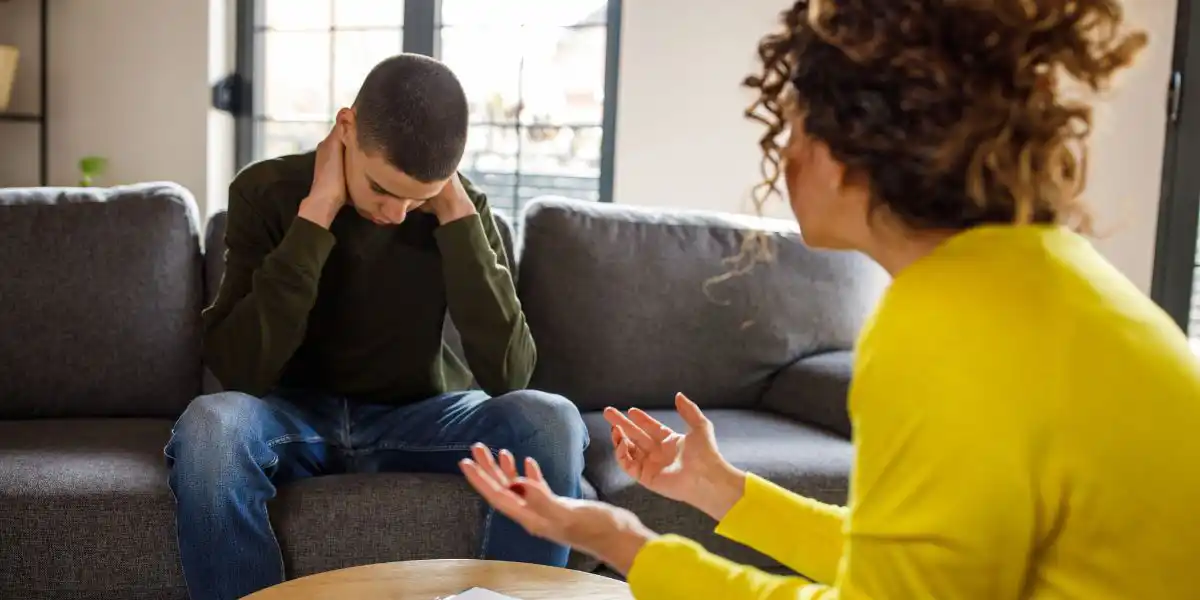
Why Do Successful Men Still Feel Insecure?
Since emotional insecurity is emotional rather than rational, success does not always alleviate it. Internal traumas related to connection, worth, or emotional safety cannot be completely healed by external success.
The Misunderstanding
Many men believe:
“When I succeed enough, I will finally feel secure.”
However, success alone rarely eliminates insecurity.
Because fear continues to drive the neurological system.
So even after success:
- Validation feels temporary
- comparison continues
- self-worth stays unstable
- emotional emptiness remains
This is why some highly successful men still struggle deeply with:
- anxiety
- relationship insecurity
- emotional disconnection
- fear of failure
- impostor syndrome
Research on self-worth contingency shows that people who base their self-worth primarily on achievement often experience unstable self-esteem and emotional distress6.
How Does Social Media Increase Insecurity In Men?
Through frequent validation-seeking behaviours, relationship comparison, body image pressure, and unrealistic success standards, social media exacerbates uneasiness in men.
Cause
Online culture constantly rewards:
- status
- money
- physique
- dominance
- external success
Naturally, insecure attachment patterns become amplified. The brain begins comparing constantly:
- appearance
- lifestyle
- relationships
- income
- masculinity
Effect
This creates:
- low self-esteem
- performance pressure
- emotional burnout
- loneliness
- anxiety
- identity confusion
Research published in the Journal of Social and Clinical Psychology found strong links between social comparison and increased anxiety, depression, and insecurity patterns7.
What Mistakes Do Men Make When Dealing With Insecurity?
Instead of validating the emotional suffering that lies beneath insecurity, the majority of men attempt to overcome it through control, avoidance, overachievement, emotional shutdown, or external validation.
1. Hiding Vulnerability
Many men believe vulnerability is weakness.
But emotional suppression increases internal pressure.
2. Chasing Validation
Validation calms insecurity but never resolves it.
3. Avoiding Emotional Awareness
Ignoring emotions does not remove them. It stores them inside the nervous system.
4. Using Achievement As Emotional Protection
Success becomes emotional armor.
But armor also blocks emotional intimacy.
5. Confusing Control With Safety
Controlling people or relationships often comes from fear, not strength.
What Actually Helps Men Feel Emotionally Secure?
When males begin to comprehend their inner emotional experience with awareness, regulation, self-compassion, emotional honesty, and safe connection instead of battling it, emotional security develops.
The Shift That Changes Everything
Being detached is not the solution to overcoming insecurity. It is developing a sense of emotional security inside oneself.
One thing has repeatedly emerged from years of working with clients on trauma-informed emotional regulation: Men undergo significant transformation when they cease asking:
“How do I stop feeling insecure?”
And start enquiring:
“What is this insecurity attempting to defend?”
Because insecurity is frequently not the enemy, that question alters the entire internal relationship. It is defence based on past emotional suffering. Men feel less ashamed when they realise this.
Slowly, defensiveness starts to wane. Naturally, emotional control gets better. Relationships grow more secure.
How to Deal with Insecurity in Men
Low self-esteem can lead to relationship insecurity, while fear of losing one’s partner can cause extreme jealousy.
Even when overprotection is necessary to maintain the relationship, it can still be burdensome. Criticism typically stems from the idea that criticism will justify shortcomings.
Lastly, an ongoing desire for assurance may indicate underlying worries about the durability of a connection. Recognising these indicators is the first step toward fixing the problems and building a reliable partnership.
It takes patience, sensitivity, and communication to deal with male insecurities. Accepting your insecurity can strengthen your bond and boost your partner’s self-esteem.
Never forget to establish boundaries, be understanding and supportive, communicate honestly, promote personal growth, and, if needed, seek professional help. It is possible to alleviate men’s worries by fostering mutual respect, trust, and support.
By establishing a secure environment for vulnerability development, you may help men in overcoming uncertainty and improving their relationships. If you are sympathetic and committed, you may assist your spouse in overcoming their concerns and building a loving, reliable partnership.
Insecurity In Men Is Often Misunderstood
Insecurity in men is rarely just low confidence. More often, it is accumulated emotional protection.
- Protection against rejection.
- Protection against shame.
- Protection against emotional pain.
- Protection against feeling not enough.
Many men battle anxiety, emotional strain, loneliness, and nervous system dysregulation on the inside despite spending years attempting to appear secure. However, toughening up is not the first step in emotional healing.
It starts when people stop viewing insecurity as a sign of weakness. Because a neurological system that strives to maintain emotional safety lies at the root of many male insecure behaviours. And self-awareness inevitably shifts once that fact becomes apparent.
People Also Ask
What reveals someone’s insecurity?
Behaviours include a persistent desire for validation, envy, criticism of others, risk avoidance, self-deprecation, and overcompensation through boasting, which can all be signs of insecurity. Low self-esteem and a fear of not being worthy or loved are frequently the root causes of these behaviours.
Does insecurity in men try to make them jealous?
Indeed, insecure men may try to make you envious in order to feel better about themselves. To arouse envy and obtain confirmation of their love and affection, they may employ strategies like flirting with people, talking about previous relationships, or being reclusive.
Why are insecure men controlling?
Insecure males may control because it provides brief emotional protection. Controlling behaviour helps ease rejection, betrayal, and abandonment worries.
Control is frequently based on fear, not confidence. Monitoring, jealousy, defensiveness, and emotional manipulation in partnerships sometimes stem from emotional insecurity.
Can insecure men love deeply?
Insecure guys can love intensely. However, unresolved insecurity can affect emotional control, trust, vulnerability, and communication. Because vulnerability triggers fear, guilt, or emotional protective mechanisms from childhood, many insecure men care strongly but struggle to communicate emotions.
Can insecurity ruin relationships?
Unresolved insecurity can undermine relationships through jealousy, defensiveness, emotional withdrawal, trust issues, poor communication, and fear.
Insecurity isn’t the big issue. Often, unprocessed emotional distress and emotional ignorance are the root cause.
- Gross, J. J., & John, O. P. (2003). Individual differences in emotional regulation processes. Journal of Personality and Social Psychology. ↩︎
- Pennebaker, J. W., & Beall, S. K. (1986)
Confronting a traumatic event: Toward an understanding of inhibition and disease.
Journal of Abnormal Psychology, 95(3), 274–281.
https://doi.org/10.1037/0021-843X.95.3.274. ↩︎ - Mikulincer, M., & Shaver, P. (2007). Attachment in Adulthood: Structure, Dynamics, and Change. ↩︎
- American Psychological Association. (2019). The hidden cost of emotional suppression in men. American Psychological Association. ↩︎
- Groh, A. M., Roisman, G. I., Booth-LaForce, C., Flaley, R. C., Owen, M. T., Cox, M. J., & Burchinal, M. R. (2014).Stability of attachment security from infancy to late adolescence.
Monographs of the Society for Research in Child Development, 79(3), 51–66.
https://doi.org/10.1111/mono.12113 ↩︎ - Crocker, J., & Wolfe, C. T. (2001). Contingencies of self-worth. ↩︎
- Hunt, M. G., Marx, R., Lipson, C., & Young, J. (2018). No more FOMO: Limiting social media decreases loneliness and depression. Journal of Social and Clinical Psychology, 37(10), 751–768. https://doi.org/10.1521/jscp.2018.37.10.751 ↩︎
Written By Mehwish Qurayshi
Mehwish Qurayshi is a Trauma-Informed Emotional Wellness Counsellor trained through NICABM’s Treating Trauma Master Series, which includes NBCC-approved education in Trauma Treatment and Emotional Wellness & Emotional Intelligence – Sourcecode Academia. She has over five years of experience providing emotional wellness counselling, helping individuals heal from trauma, regulate emotions, and build healthy relationships.