
35 Group Activities for Women: Fun & Bonding Ideas


Planning a girls’ night, organising a women’s group, or looking for ways to make new friends? You don’t need an expensive venue or a packed schedule. A few shared activities can give everyone something to enjoy, even if some women are meeting for the first time.
You might host a book swap where everyone brings a book they’ve enjoyed, invite friends over for a painting evening, or arrange a weekend walk with a coffee stop. If your group is quieter, a cooking session or craft night gives people something to focus on while conversations develop naturally.
35 Fun Group Activities for Women
Looking for something to do with your friends or a women’s group? These activities include relaxed evenings at home, creative projects, and regular meetups. Some take only half an hour, while others can become something you look forward to each month. For more icebreakers and shared challenges, see these fun group activities.
1. Women’s Book Clubs
Ask everyone to bring a book they’ve recently enjoyed or choose one title to read before your next meeting. You can meet at someone’s house, a library, or a café.
Instead of asking everyone to review the whole book, start with something simple: “Which character annoyed you the most?” or “Would you have made the same decision?”
You’ll probably hear different opinions, and that’s what makes the discussion interesting. If nobody has time to finish a novel, try a short story or a book swap where everyone goes home with something new to read.
2. Walking Groups
Choose a park or neighbourhood route and set a regular time to meet. You could walk for 30 minutes on Sunday mornings and stop for coffee afterward.
There’s no need to plan conversation topics. Someone might mention a new restaurant nearby, ask about a weekend trip, or simply enjoy the walk without talking much.
Before the first meetup, share the distance, expected pace, and whether there are stairs or uneven paths. That way, everyone can decide whether the route works for them.
3. Creative Art Circles
Cover a table with old newspapers, put out some paints and brushes, and let everyone choose what they’d like to make. You could decorate flowerpots, paint small canvases, or create greeting cards. If children are joining a family craft afternoon, there are also DIY educational crafts to try.
One friend might carefully copy a picture while another spends the evening experimenting with colours. You don’t need an instructor or a competition to make the gathering enjoyable.
If you’re working with a small budget, ask everyone to bring a few supplies from home and share what they have.
4. Journaling Groups
Set aside 10–15 minutes for everyone to write in their own notebook. Anyone trying this for the first time can start with these journaling tips for beginners. You could start with questions such as “What made me laugh this week?” or “What’s something I’d like to try before the end of the month?”
After writing, anyone who wants to can share a thought or discuss the prompt. Someone else may prefer to keep their writing private.
Avoid asking members to read personal entries aloud. A journaling group can be a pleasant way to spend time together without making anyone explain feelings or experiences they’d rather keep to themselves.
5. Women’s Wellness Circles
Invite a small group over for tea and choose a topic everyone can relate to, such as finding time for hobbies, handling a busy schedule, or making evenings less rushed.
You might ask everyone to share one small thing they’ve tried recently. One woman may talk about turning off work notifications after dinner, while another mentions taking a short walk before picking up her children.
Keep the conversation open rather than treating the gathering like a counselling session. Members can share ideas, ask questions, or simply listen without having to discuss anything personal.
6. Volunteer Projects
Your women’s group could spend a Saturday helping at a food bank, sorting clothes for a local shelter, or collecting children’s books for a community library.
Suppose a nearby charity is collecting winter clothing. Everyone could bring a few clean jackets or sweaters, then meet to sort them by size before dropping them off.
It’s worth calling the charity beforehand to find out what they need. A box of donated clothes isn’t much help if they’re short on storage or currently collecting food instead.
7. Group Fitness Classes
Trying a new workout can be more fun when a few friends come along. You could book a beginner Zumba session, try Pilates, or sign up for a dance fitness class.
At your first session, you might forget the steps, lose track of the instructor, or spend half the class laughing with a friend in the back row.
Not everyone will enjoy the same workout. Share the class details beforehand, including the cost, intensity, and available modifications, so nobody arrives expecting gentle stretching and ends up in an advanced session.
8. Women’s Hiking Groups
Choose a nearby trail for a weekend hike and invite a few women who enjoy being outdoors. If it’s your first outing together, a short, well-marked route with somewhere to stop for lunch may work better than a difficult climb.
You could bring sandwiches, take photographs, or stop at a café on the way home.
Let everyone know the route length, terrain, and expected return time beforehand. Someone who enjoys long hikes may have different expectations from a friend who’s trying it for the first time.
9. Cooking Clubs
Invite a few friends over and choose a dish none of you has made before. You might try homemade dumplings, prepare a traditional family recipe, or learn how to make fresh pasta.
One person can prepare the filling, another can handle the dough, and someone else can follow the recipe and keep track of cooking times.
There may be a few oddly shaped dumplings or a sauce that needs fixing. That’s part of trying something new together.
Check everyone’s dietary requirements before shopping, especially if the recipe includes common allergens.
10. Personal Growth Workshops
A women’s group workshop could focus on something members actually want to learn, such as preparing for job interviews, managing household expenses, or giving a short presentation at work.
For an interview workshop, take turns answering questions such as “Tell me about yourself” or “Describe a challenge you’ve handled.” Someone can play the interviewer while others offer feedback on what sounded clear and what needed more detail.
For a budgeting session, use fictional salaries and expenses so nobody feels expected to discuss their personal finances.
The group can practise a useful skill without turning the session into a discussion of everyone’s private problems.
11. Vision Board Workshops
Spread a few old magazines, scissors, glue sticks, and large sheets of paper across the table. Everyone can choose pictures or words that remind them of something they’d like to try, buy, learn, or experience.
You might end up with one board full of travel destinations and another covered in garden ideas, recipes, and home projects.
If you’re planning a New Year gathering, you could make boards for the next 12 months. You can also read about visualization if members are curious about the idea behind vision boards. Or choose a lighter theme, such as places you’d like to visit together.
Nobody needs to explain every picture. Some things are more enjoyable to keep to yourself.
12. Photography Walks
Choose a park, an older part of town, or a street with interesting shops. Give everyone a small challenge: find something red, photograph an unusual doorway, or capture a reflection.
Your phone camera is enough. You don’t need special equipment or photography experience.
Afterward, compare a few favourite shots over coffee. Someone may have photographed a building everyone walked past, while another noticed a tiny detail on a shop window.
If you’re taking pictures of people, ask permission first. It’s also worth checking photography rules at markets or private venues.
13. Meditation Groups
Invite a few women over for a short guided meditation. You could play a five-minute recording, arrange comfortable chairs, and keep the room quiet.
Some members may prefer sitting with their eyes open. Others might want to listen without following the breathing instructions. There’s no need to ask everyone to sit a certain way or describe how they felt afterward.
If silent meditation doesn’t appeal to your group, try a short session focused on listening to everyday sounds.
Keep it optional, particularly for anyone who finds sitting quietly uncomfortable.
14. Gardening Clubs
A gardening afternoon could be as simple as planting herbs in small pots on someone’s balcony. Bring potting mix, seeds or young plants, labels, and a few spare containers.
One friend might already know how to grow basil or mint, while another is planting something for the first time.
You could each take a pot home and compare how the plants are growing at your next meetup. If one plant starts wilting, the group can work out whether it needs a different spot, soil, or watering routine.
You don’t need a large garden. A sunny windowsill or a few balcony containers may be enough, depending on the plants you choose.
15. Dance Nights
Move the furniture aside, put together a playlist, and invite your friends over for a dance night. Let everyone add a few songs, whether that’s old favourites, Bollywood music, pop, or something nobody else has heard before.
You could try learning a short routine together or simply dance without following any steps.
Some friends might prefer choosing songs or chatting from the sofa. They can still enjoy the evening without joining every dance.
If you’re organising a bigger gathering, a beginner dance class could work better than trying to fit everyone into a living room.
16. Crafting Circles
Imagine spending a Sunday afternoon around a table covered in yarn, beads, colourful paper, and half-finished projects. One friend is learning to crochet, another is making bracelets, and someone has brought an embroidery kit she’s been meaning to open for months.
You could pick one project, such as decorating tote bags, or let everyone bring something they’re already working on. If you’re deciding what to make next, browse these hobbies for women for other ideas.
If someone knows how to knit or make jewellery, they can show the others a few basic steps. Don’t worry if the projects take longer than expected. You can always bring them back to the next gathering.
17. Financial Wellness Groups
For a financial wellness group, try something more useful than sitting around discussing money goals.
Give everyone a fictional monthly budget of $2,500, along with expenses for housing, groceries, transport, savings, and an unexpected car repair. Split into pairs and compare how each person would handle the costs.
You could also organise a grocery-price comparison or invite a qualified financial educator to explain credit scores, interest, or budgeting tools.
Some women may not feel comfortable discussing money, particularly in a new group. Using imaginary figures keeps the activity practical without asking anyone to reveal their income or debts.
18. Language Learning Clubs
If several women want to practise a new language, turn an ordinary meetup into a conversation evening.
For example, set up a pretend café where everyone orders food in Spanish. One person plays the server while the others work out how to ask for coffee, request the bill, or explain what they’d like to eat.
You could also adapt a few conversation games for language practice, or watch a short video and discuss words you recognised.
Expect forgotten words and funny mispronunciations. Correcting every sentence can interrupt the conversation, so leave time afterward to go over anything people found difficult.
19. Women’s Networking Events
Skip the long introductions where everyone lists their job title and then struggles to start a conversation.
Instead, arrange small tables and give each one a topic. One table could discuss finding clients, another might focus on changing careers, and a third could cover starting a small business.
A recent graduate might ask how to prepare for an interview, while a business owner could share how she handles difficult customer enquiries.
After 15 minutes, let people switch tables. Women can join the discussions that interest them without having to speak in front of the entire room or make a sales pitch. For anyone unsure how to enter a new conversation, these practical social skills may help.
20. Public Speaking Groups
You don’t need a stage or microphone to start a public speaking group. Five or six women sitting around a dining table is enough.
Write a few topics on slips of paper: a holiday that went wrong, a meal you love cooking, or something you’ve learned recently. Each person picks one and speaks for about two minutes.
Some women may lose their place or forget what they wanted to say. Give them time to continue rather than finishing their sentences.
If someone isn’t ready to speak, they can help by asking questions or keeping track of time. You could also practise introductions for networking events or short presentations for work.
If you decide to record the speeches for practice, ask permission first and keep the recordings private unless everyone involved agrees otherwise.
21. Travel Planning Groups
You’ve been talking about taking a weekend trip with your friends, but nobody has chosen a destination. Turn your next get-together into a planning evening.
Spread out a map, open a few travel websites, and let everyone suggest somewhere they’d like to visit. One friend might find a countryside cottage, while another discovers a nearby town with interesting shops and cafés.
Compare travel costs before making reservations. A trip might sound affordable until you add transport, meals, and accommodation.
Even if you don’t book anything that evening, you’ll have a few realistic options to discuss instead of starting the conversation from scratch next time.
22. Self-Care Retreats
Invite a few friends over for an afternoon with no particular plans to rush through. Someone might bring a favourite film, another could prepare snacks, and you could put out nail-care supplies or a stack of magazines.
One friend may want to chat over tea, while another is happy sitting quietly with a book. There’s no need to keep everyone occupied with the same activity.
If you’re including skincare products, check for allergies and avoid sharing products that aren’t meant for multiple users.
A self-care afternoon can be as simple as spending time together without asking anyone to dress up, spend much money, or follow a timetable.
23. Women’s Support Circles
A women’s support circle could bring together women who’ve recently moved, returned to work, or started caring for a family member. They may have different experiences but appreciate having somewhere to discuss everyday concerns.
During a meeting, someone might talk about feeling unfamiliar with her new neighbourhood. Another member could recommend a local class or share how she met people after moving.
Not everyone will want to talk about personal matters. Let women listen without asking them to explain why they’re quiet.
Agree on privacy expectations before meeting, and avoid repeating someone else’s story outside the group. Reading about emotional awareness may give members a useful starting point for noticing when a conversation has become uncomfortable. However, don’t promise complete confidentiality when you cannot control what every participant shares.
A peer group can provide company and practical suggestions, but it isn’t a substitute for counselling or other professional support when that’s needed.
24. Gratitude Groups
Set up a table with cards, coloured pens, and envelopes, then invite everyone to write a thank-you note to someone who’s helped them recently.
Maybe your neighbour brought your bins inside while you were away, or a colleague stayed late to help you finish a difficult task.
Some women might write a long message, while others need only a few lines. They can post the card, hand it over personally, or keep it until they’re ready to send it.
There’s no need to turn the evening into a discussion about gratitude or ask anyone to share something positive when they’re having a hard time. If your group would rather write privately, try a simple gratitude list instead.
25. Community Theater
Choose a short comedy scene and try reading it aloud with a few friends. Assign the characters, then swap parts and see how differently the dialogue sounds.
You might discover that someone enjoys performing, while another would rather look for props or help arrange the room.
If everyone enjoys the activity, check whether a nearby community theatre offers beginner workshops or needs volunteers to help backstage.
You don’t need an audience or costumes for the first gathering. A few printed scripts and somewhere comfortable to sit are enough.
26. Music Appreciation Clubs
Ask everyone to bring a song they still love listening to, whether it’s an old favourite from school, a film soundtrack, or something they discovered last week.
Play the songs one at a time. One friend might tell you how she used to listen to hers on the bus to college, while another introduces an artist nobody else has heard of.
You could make the next gathering a 90s music night or choose songs from different countries. By the end, you’ll probably have a playlist that nobody would have put together alone.
You don’t need to rate the songs or agree on everyone’s taste. Hearing the stories behind the choices is often more interesting than deciding which track is best.
27. Entrepreneurship Groups
Imagine a few women sitting around a table with product samples, laptops, packaging ideas, and half-finished business plans.
One woman sells handmade candles but isn’t happy with her product photographs. Another runs a home bakery and wants a better way to manage orders.
Instead of giving each other broad business advice, spend the evening solving one small problem. You could test different product backgrounds, review a sample order form, or practise explaining a product to a new customer.
If someone is still exploring an idea, she can join the discussion without having to share financial information or business plans she’s not ready to disclose.
28. Parenting Support Groups
A parenting support group could meet at a local park while the children play or gather at someone’s home for coffee.
You might choose a topic such as school-morning routines or affordable weekend activities. One mother could explain how she prepares uniforms the night before, while another shares a game that keeps her children occupied on rainy afternoons.
Not every suggestion will work for every household. A parent working night shifts may have a completely different routine from someone who works from home.
Let the conversation stay practical. Nobody needs to defend her parenting choices or answer personal questions about her family.
29. Relationship Workshops
For a relationship workshop, choose an ordinary disagreement that people can discuss without revealing private experiences.
For example, two housemates share a kitchen, but one keeps leaving dirty dishes overnight. Instead of arguing about who’s inconsiderate, ask the group how they might bring up the problem.
Someone may suggest agreeing on when dishes should be washed. Another might point out that neither housemate has discussed what they expect. You could also use these perspective-taking examples to explore how each person might see the same disagreement.
You could write a few fictional situations on cards and let small groups compare their responses.
Keep real relationship problems private unless someone freely chooses to discuss them. A workshop should not put participants under pressure to explain painful experiences or offer counselling to one another.
30. Writing Circles
Give everyone a notebook, set a timer for 15 minutes, and choose a writing prompt.
You could ask the group to describe a childhood holiday, invent a character who finds a mysterious letter, or write a conversation between two strangers waiting for a train.
One woman might finish a short story, while another writes only the opening paragraph. Both have something they can return to later.
Anyone who wants to can read a few lines aloud. Rather than correcting every sentence, other members might mention a character they liked or a description they could picture clearly.
You could even collect everyone’s fictional stories into a small booklet, but only with each writer’s permission.
31. Local History Groups
Have you ever walked past an old building in your town and wondered what it used to be? Choose a historic neighbourhood and spend an afternoon finding out.
Before meeting, everyone can look up one place they’d like to visit. Someone might find an old cinema that’s now a supermarket, while another discovers photographs of a street that looked completely different 50 years ago.
Bring the old pictures on your phones and compare them with what you see. You could also visit a local museum or follow a heritage walking trail.
If the group enjoys it, choose a different neighbourhood for the next outing.
32. Spiritual Discussion Groups
Choose a short reading or question for your next women’s group meeting. It might be about forgiveness, gratitude, personal values, or how people handle disagreements within their families. If you’re short on discussion ideas, choose one of these philosophical questions and let members respond in their own words.
One woman may bring a passage that’s meaningful to her, while another has a question she’s never had the chance to discuss.
Before inviting new members, explain whether the group follows a particular religious tradition or welcomes different beliefs. That can help people decide whether the gathering is right for them.
Nobody needs to share a personal experience or defend her beliefs. Sometimes listening to a different interpretation gives the group enough to discuss.
33. Charity Fundraising Teams
Your group could organise a second-hand book sale, a small bake sale, or a weekend craft stall to raise money for a local charity.
For example, if you’re supporting an animal shelter, one friend might collect books to sell, another could design simple signs, and someone else can keep track of the money.
Ask the charity what it needs before announcing the fundraiser. Also check whether the venue requires permission and whether any local fundraising rules apply.
After the event, work out how much you raised after expenses and share the final amount with everyone who helped or donated. That way, people know where their contributions went.
34. Outdoor Adventure Clubs
If your friends have been talking about trying kayaking or rock climbing, choose one activity and book a beginner session together.
You might spend a Saturday morning learning how to paddle a kayak, try an indoor climbing wall, or hire bicycles for an easy countryside route.
Let everyone know what the activity involves before booking. Someone who enjoys cycling may not be comfortable on the water, and another friend might prefer watching rather than participating.
Check the equipment, costs, safety requirements, and instructor qualifications. For your first meetup, choose something suitable for beginners rather than planning a difficult expedition. For quieter outings between club events, take a look at these outdoor activities for introverts.
35. Skill-Sharing Meetups
Ask everyone to think of one useful thing they could teach the group. It might be sewing on a button, wrapping a gift neatly, taking better phone photographs, or using a spreadsheet.
At your first meeting, one friend could demonstrate a simple hairstyle while another shows everyone how to remove a stain from clothing.
Give each person around 10 minutes, with a little extra time for anyone who wants to try the skill themselves.
For the next gathering, ask members what they’d like to learn. You might discover that several women want help with the same thing, and someone in the group already knows how to do it.
Nobody needs formal qualifications to demonstrate an everyday skill they’re comfortable sharing.
How to Choose a Group Activity for Your Needs
A cooking night with four friends is easy to organise. Invite 20 women, and suddenly you need a bigger kitchen, extra ingredients, and a plan for who does what.
Before picking from these 35 group activities for women, find out who’s coming, what they’re willing to spend, and whether they’d rather talk, make something, or spend time outdoors.
1. Work Out What Everyone Can Spend
If you’re planning a free or low-cost gathering, a book swap, walking group, or photography challenge is a reasonable place to start.
For a craft night, ask everyone to bring supplies they already have. One friend may have spare yarn, another has paints, and someone else can bring paper and scissors.
Paid activities need a little more planning. A £15 dance class may seem affordable until you add transport and refreshments. Share the total cost before collecting money or booking places.
2. Match the Activity to Your Group Size
With three or four women, you can cook together, work on a puzzle, or discuss a book around the kitchen table.
A group of 15 needs more room. Try a volunteer project where members can work in teams, or arrange a photography walk with a few small groups following the same route.
For a discussion-based gathering, divide larger groups into circles of five or six. It’s easier for someone to finish a story or ask a question when 14 other people aren’t waiting for their turn.
3. Let Members Choose What Interests Them
Rather than sending a message asking, “What should we do?”, give everyone three options.
For example: Saturday gardening, Sunday brunch and a book swap, or a Friday evening craft session.
Ask members to vote and choose the option that fits most people’s schedules. If the group has different interests, rotate activities each month.
For more possibilities, browse these hobbies for introverts if several members prefer quieter activities.
4. Think About How Comfortable People Are With Conversation
Some women can spend three hours chatting over coffee. Others find it easier to talk while they’re painting, cooking, or walking somewhere.
If several members haven’t met before, choose an activity that gives them something to do. At a photography walk, someone can ask, “How did you get that shot?” instead of trying to think of a personal question.
A book discussion or language club suits members who enjoy talking through ideas. A support circle asks for a different kind of participation, so explain its purpose before inviting anyone.
If you’re organising a gathering for quieter women, the distinction between introversion and social anxiety is worth understanding. Being quiet doesn’t automatically mean someone is uncomfortable around people.
5. Check the Details Before Sending Invitations
Once you’ve chosen an activity, send one message with the date, location, expected cost, and what everyone should bring.
For a walking group, include the distance and whether the path has steps. For a cooking club, ask about food allergies before buying ingredients. For an evening event, check that everyone knows how they’ll get home.
You could start with a two-hour gathering rather than planning an entire day. Afterward, ask what people would like to repeat and what they’d change next time.
How Group Activities Can Help Women Build Friendships
Think about the last time you met someone at a book club, fitness class, or community event. You probably didn’t leave knowing everything about her. Maybe you exchanged names, talked about the activity, and recognised each other the next time.
That’s how some friendships begin. You meet, find something to talk about, and eventually decide whether you’d like to spend more time together.
You Start Recognising Familiar Faces
At your first walking group, you might spend most of the time figuring out the route and remembering everyone’s names.
The following Saturday, you recognise the woman who walked beside you last week. You ask whether she enjoyed the book she mentioned. She remembers that you were planning to visit your sister.
After a few meetings, you may start saving each other a place or walking together without having to arrange it beforehand.
Seeing someone regularly doesn’t automatically make you friends. It does give you more opportunities to find out whether you enjoy each other’s company.
You Have a Reason to Start Talking
At a cooking club, you can ask someone how she managed to fold her dumplings so neatly. During a photography walk, another woman might show you a picture she took and ask what you think.
Those conversations are easier to begin than sitting across from a stranger and trying to think of something interesting to say.
Sometimes you’ll talk about the recipe or photograph for the entire session. Other times, you’ll discover that you both love the same author or grew up in neighbouring towns.
You can get to know someone without asking personal questions before you’re ready.
You Begin Making Plans Outside the Group
Suppose you’re at a craft meetup and another woman mentions an exhibition opening next weekend.
You say you’ve been meaning to visit, and she suggests going together. A few days later, one of you sends a message to confirm the time.
The next outing might be coffee, a weekend market, or another activity neither of you has tried before.
That’s one way an acquaintance can gradually become a friend. If you’re curious about the difference between casual acquaintances and closer relationships, our article on the convenience of friendship looks at what happens when friendships depend mainly on shared routines or circumstances.
You Notice Whether the Effort Goes Both Ways
Perhaps a woman from your gardening group missed two meetings. You send her a photograph of the herbs you planted and ask whether she’ll be joining the next one.
She replies, asks how your plants are doing, and suggests meeting a little earlier so you can catch up.
Or you might invite someone for coffee several times without receiving a reply or another suggestion. That tells you something about whether she wants to meet outside the group, although there may be reasons you don’t know.
Friendship doesn’t have to move at the same pace for everyone. Some women become close, while others are happy exchanging a few words at their weekly class. Both can enjoy attending the same group.
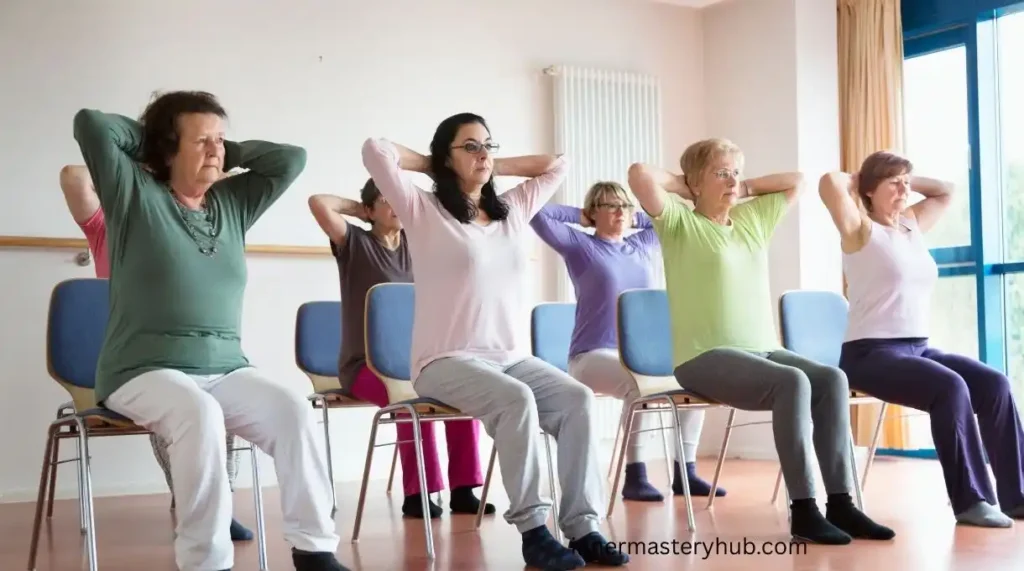
How Group Activities May Support Emotional Well-Being
You might spend the whole week answering work messages, arranging appointments, or taking care of things at home. Then Saturday arrives, and you’re meeting a few women to paint flowerpots, exchange books, or try a new recipe.
The activity won’t make your responsibilities disappear. But it gives you time with people who aren’t there to ask you to finish another task.
Whether a women’s group helps you feel better depends on the people, the setting, and what you’re comfortable doing. Not every gathering will suit you.
Having Plans That Aren’t About Responsibilities
Imagine signing up for a Thursday pottery class with two friends.
On Monday, one sends a photograph of a bowl she’d like to make. By Wednesday, you’re deciding whether to try something similar or make a small plant pot instead.
When Thursday comes, you spend an hour working with clay, asking the instructor questions, and comparing everyone’s slightly uneven creations.
For someone who spends most evenings cooking, cleaning, or answering messages, that hour may be one of the few things she’s arranged purely because she wants to go.
If your own plans are usually the first to be cancelled when someone needs help, you may recognise some of the situations discussed in constantly pouring into others’ cups.
Talking About a Problem Without Making It the Whole Evening
During a walking group, you mention that you’ve been arriving late to work since your schedule changed.
Another woman explains that she prepares her bag and lunch before bed. Someone else knows a different bus route you haven’t tried.
You make a note to check the timetable, and a few minutes later, everyone is talking about a café that’s opened nearby.
You haven’t held a formal discussion or asked the group to solve your problems. You mentioned something that was bothering you, heard a couple of suggestions, and carried on with the walk.
Sometimes that’s enough for one conversation. More serious concerns may need support beyond what friends can offer.
Getting Caught Up in What You’re Doing
At a cooking club, someone is rolling dough while you’re trying to stop the filling from falling out of a dumpling. Another friend is checking whether the water has started boiling.
You may go half an hour without looking at your phone because your hands are busy and you’re following the recipe.
That isn’t proof that cooking reduces anxiety. You might return home and start worrying about the same unfinished work.
Still, some women enjoy having an activity that requires their attention for a while, whether it’s gardening, dancing, painting, or learning something new.
If you find that your thoughts keep returning to work or responsibilities even when you have free time, why you can’t relax even when nothing is wrong explores that experience in more detail.
Knowing When a Group Isn’t Right for You
Suppose you attend a women’s networking event where everyone is expected to introduce herself to 30 strangers. You manage the introductions but spend the journey home wishing you’d chosen a smaller gathering.
The following week, you try a book club with six members. People take turns speaking, nobody insists that you share personal details, and you’re already interested in next month’s book.
That difference is worth noticing.
You can also pay attention to how people respond when you decline an invitation, ask for a more affordable activity, or say you’d rather watch than participate.
A group that suits your friend may not suit you. You can enjoy occasional outings, prefer one-to-one friendships, or decide that regular meetings aren’t something you want.
What Research Says About Social Relationships
Social relationships matter, but research on social connection shouldn’t be used as proof that any particular group activity improves mental health.
In a 2010 meta-analysis of 148 studies involving more than 300,000 participants, Holt-Lunstad and colleagues found that people with stronger social relationships had better survival outcomes, on average, than those with weaker relationships.1
The research examined social relationships broadly. It didn’t test whether joining a book club, meditation circle, or women’s walking group reduces depression or anxiety.
A weekly gathering may become something you enjoy and choose to keep attending. For someone else, a monthly visit with a close friend may be preferable. Neither arrangement needs to be treated as a prescription for emotional well-being.
A 2019 randomized controlled trial led by Catherine Haslam followed 120 adults experiencing psychological distress. Participants in a structured group-membership program called Groups 4 Health reported greater reductions in loneliness and social anxiety over two months than those receiving usual treatment.2
The study examined a specific psychological intervention, not ordinary activities such as book clubs or walking groups. Still, it suggests that helping people develop and maintain social group memberships may be useful when addressing loneliness.
A 2008 study by Karen Ertel and colleagues examined data from 16,638 older adults in the United States. The researchers followed changes in memory over six years and found that people with stronger social integration tended to experience slower memory decline.3
The study looked at social relationships broadly, rather than participation in women’s clubs or recreational activities. It also couldn’t establish that joining a group prevents memory loss. Its findings do, however, offer another reason to study the role of social relationships throughout adulthood.
How to Make a Women’s Group Feel Welcoming
Picture yourself arriving at a women’s book club where six people are already chatting. They’ve met before, you don’t recognise anyone, and you’re not sure whether to take a seat or wait for someone to notice you.
Now imagine the organiser comes over, introduces herself, and says, “We’re just getting started. Come sit next to me.”
That small exchange can make the first few minutes less awkward. Here are a few other things worth thinking about when organising women’s group activities.
Tell People What to Expect Before They Arrive
An invitation that says “Girls’ night, Saturday at 6” leaves quite a few questions unanswered.
Are people bringing food? Will there be an entry fee? Is everyone expected to participate in a game?
A clearer message might say:
“We’re making bracelets at my place on Saturday at 6 p.m. There’ll be seven of us. I’ve bought the beads and string, so you don’t need to bring anything. We’ll finish around 8.”
For outdoor gatherings, add the walking distance, meeting point, and whether the route has steps. If you’re using a venue, mention parking, public transport, or accessibility details you know.
Help New Members Join a Conversation
If two friends are discussing something that happened at last month’s meetup, a newcomer may have no idea what they’re talking about.
Rather than asking her to introduce herself to the entire room, bring her into a smaller conversation.
You could say, “Maya, this is Farah. She’s also learning to crochet. Farah, Maya was telling me she’s trying to make her first scarf.”
Now they have a topic they can both contribute to.
If your group enjoys a more organised start, try one of these thought-provoking questions instead of asking everyone to share something personal. A question about a favourite childhood game or a place they’d love to visit gives people something specific to answer.
Don’t Turn Every Activity Into a Speaking Exercise
At a painting evening, one woman may talk throughout the session while another spends most of her time concentrating on the canvas.
There’s no reason to stop the second woman every ten minutes to ask why she’s so quiet.
You could offer her another brush, ask whether she needs more paint, or simply let her carry on.
The same applies to book clubs and discussion groups. Someone who listens for most of the evening may still enjoy being there.
If you’re unsure whether someone wants to contribute, try “Would you like to add anything?” Accept “No, I’m good” without pressing further.
Step In When Someone Keeps Getting Interrupted
Suppose Nadia starts explaining an idea for next month’s event, but two members begin talking over her.
You can bring the conversation back without scolding anyone: “Hang on, I want to hear the rest of Nadia’s suggestion.”
Or perhaps three friends spend most of the craft night talking about people nobody else knows. You might ask what everyone thinks about trying a different project next month.
These moments are easier to address when you notice them early. Our article on intent versus impact explores why a comment or behaviour may affect someone differently from how the speaker intended.
Let Women Decline Without Explaining Themselves
When you’re arranging the next gathering, you might discover that one member can’t afford the restaurant you’ve chosen. Another may work weekends, while someone else simply doesn’t enjoy large events.
Offer alternatives where possible. You could switch to a café where people order individually, schedule an occasional weekday meetup, or alternate larger events with smaller gatherings.
If someone says she can’t come, a simple “No problem, I’ll send you the details for next time” is enough.
And if a new member does return, remember something practical from her first visit. You might ask whether she finished the bracelet she started or found the book she was looking for.
Those are small things, but they’re much more useful than giving a speech about how everyone belongs.
Conclusion
A women’s group can begin with four friends meeting for coffee, a few neighbours swapping books, or six women trying a painting class together.
Pick an activity people have shown interest in and arrange the first meetup. You might discover that everyone wants to repeat the cooking night, or that a Saturday morning walk suits their schedules better.
You don’t have to turn every gathering into a regular event. Sometimes friends enjoy meeting once for a craft afternoon and arranging something different a few months later.
Of these 35 group activities for women, which would your friends be most likely to turn up for?
People Also Ask (FAQs)
What are some fun group activities for women?
Cooking clubs, book swaps, painting evenings, dance nights, and photography walks are popular options for a women’s gathering. A group of friends could prepare homemade dumplings, exchange books they’ve finished, or spend an afternoon photographing interesting places around town.
For something different, try a quiz or one of these conversation games during a casual get-together.
What are the best female bonding activities for a small group?
For three to six women, try decorating plant pots, preparing a meal together, making bracelets, or discussing a book over coffee.
A cooking evening works well when everyone has a task. One person can prepare ingredients, another can follow the recipe, and someone else can manage the cooking time. There’s room to chat while getting something done.
What are some free or low-cost women’s group activities?
A neighbourhood walk, book swap, photography challenge, or writing circle can cost little or nothing.
You could arrange a photo scavenger hunt using everyone’s phone cameras, meet in a public park for a walk, or exchange books at someone’s home. If you’re interested in more at-home ideas, browse these hobbies for women.
What activities work well when women are meeting for the first time?
Try an activity that gives everyone something to focus on, such as painting, cooking, gardening, or a photography walk.
At a craft evening, two women can start by discussing which materials they’re using. They don’t have to sit through a long round of introductions or answer personal questions before beginning.
What can you do at a women’s support group meeting?
Choose a topic that reflects why the group meets. Women who have recently moved to a new city might exchange information about local services, while a parenting group could discuss school routines or childcare arrangements.
Agree on privacy expectations, avoid pressuring members to share personal experiences, and let people ask for advice when they want it. A peer support group isn’t a substitute for professional counselling or mental health treatment.
How often should a women’s group meet?
A book club may work well once a month, while a walking group might meet every Saturday morning. For a craft circle, members could bring their unfinished projects every two weeks.
Start with one gathering, then ask which dates people can actually attend. If most members work weekends, a weekday evening may be easier. If several have childcare responsibilities, a shorter daytime meetup might suit them better.
- Holt-Lunstad, J., Smith, T. B., & Layton, J. B. (2010). Social relationships and mortality risk: A meta-analytic review. PLOS Medicine, 7(7), e1000316. ↩︎
- Haslam, C., et al. (2019). GROUPS 4 HEALTH reduces loneliness and social anxiety in adults with psychological distress: Findings from a randomized controlled trial. Journal of Consulting and Clinical Psychology, 87(9), 787–801. ↩︎
- Ertel, K. A., Glymour, M. M., & Berkman, L. F. (2008). Effects of social integration on preserving memory function in a nationally representative US elderly population. American Journal of Public Health, 98(7), 1215–1220. ↩︎
Written By Mehwish Qurayshi
Mehwish Qurayshi is a Trauma-Informed Emotional Wellness Counsellor trained through NICABM’s Treating Trauma Master Series, which includes NBCC-approved education in Trauma Treatment and Emotional Wellness & Emotional Intelligence – Sourcecode Academia. She has over five years of experience providing emotional wellness counselling, helping individuals heal from trauma, regulate emotions, and build healthy relationships.