
Why Can’t I Relax? 11 Signs of Hypervigilance and How to Manage It
Medically reviewed by Dr. Usama Qureshi, MBBS
Medical Doctor | Reviewed August 2026
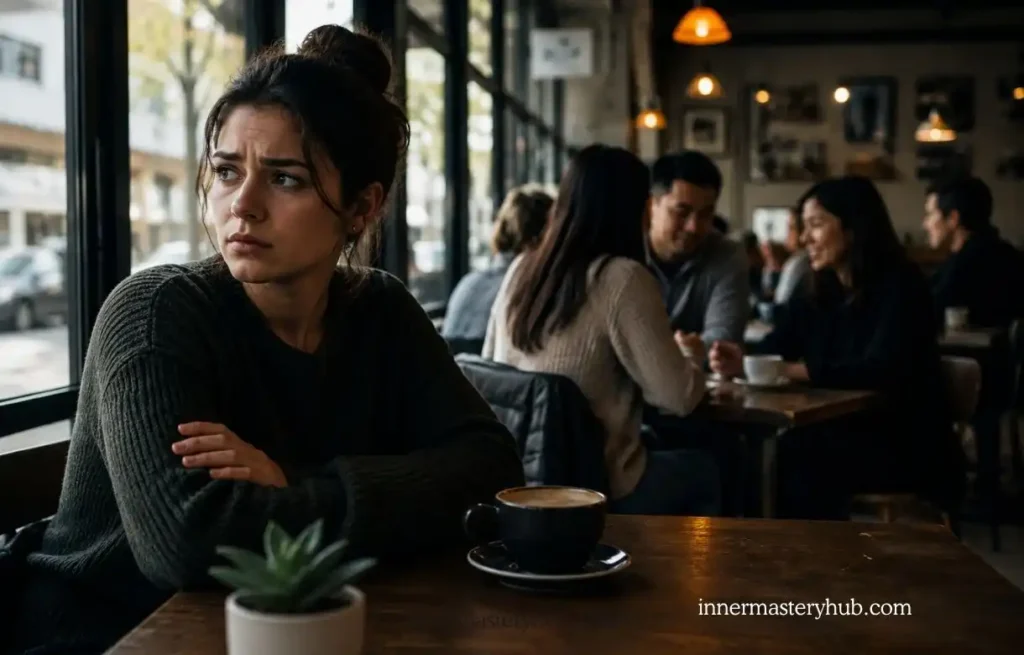
Have you ever wondered why you cannot fully relax, even when nothing seems wrong? Some people experience periods where they feel unusually alert, keep thinking about possible problems, or find it difficult to switch off. This experience is often described as hypervigilance, a heightened state of awareness that can happen during periods of stress, uncertainty, or after difficult experiences.
Hypervigilance at a Glance
| Question | Improved Answer |
|---|---|
| What is hypervigilance? | Feeling unusually alert, watchful, or prepared for possible problems. |
| Why can’t I relax? | Stress or uncertainty can sometimes make it harder to switch off and feel calm. |
| Common signs | Feeling on edge, overthinking, tension, sleep difficulties, or expecting problems. |
| What can contribute to it? | Ongoing stress, difficult experiences, uncertainty, or past events may influence these patterns. |
| Is it related to emotional regulation? | It can be discussed alongside stress responses and emotional regulation, but experiences differ for each person. |
| Can it improve? | Many people find these reactions become easier to manage with support and helpful coping strategies. |
Why Can’t I Relax Even When Nothing Is Wrong?
Some people feel unable to switch off, even during calm moments. They may keep thinking about possible problems, feel tense, or find it hard to slow down.
After periods of uncertainty, some people may notice that staying alert becomes a familiar pattern.
This may look like:
- replaying conversations in your head
- checking for possible problems repeatedly
- feeling uncomfortable when things are quiet
- expecting difficulties before they happen
Understanding when these patterns appear can help you recognise what affects your ability to relax.
Why Hypervigilance Can Develop
Hypervigilant feelings can appear during periods of difficult experiences.
Some situations that may contribute include:
- long periods of pressure or responsibility
- major life changes
- ongoing conflict or uncertainty
- experiences that felt overwhelming
For some people, staying alert becomes a familiar response during challenging periods.
What Hypervigilance Can Look Like in Daily Life
Hypervigilance can show up in different ways. Some people notice that they stay alert, think ahead about possible problems, or find it difficult to fully relax.
These experiences can vary from person to person. Having one of these signs does not automatically mean someone is hypervigilant, but noticing patterns can help you understand your reactions.
1. Feeling Constantly On Edge
You may find it difficult to fully relax, even during calm moments.
This can look like:
- feeling tense or restless
- staying alert to what is happening around you
- finding it hard to slow down your thoughts
2. Overthinking and Replaying Situations
Some people spend a lot of time reviewing conversations, decisions, or possible outcomes.
You may notice:
- replaying what you said or did
- thinking about what could go wrong
- searching for answers after a stressful moment
3. Expecting Problems Before They Happen
You may often prepare for possible difficulties, even when there is little evidence that something is wrong.
This may look like:
- imagining worst-case scenarios
- planning for every possible outcome
- feeling uncomfortable with uncertainty
4. Being Highly Aware of Other People’s Reactions
Some people become very focused on changes in tone, facial expressions, or behaviour.
For example:
- noticing small changes in someone’s mood
- wondering if someone is upset
- trying to understand what others are thinking
5. Difficulty Trusting or Relaxing Around Others
You may find it harder to feel comfortable in certain relationships or situations.
This can include:
- needing extra reassurance
- keeping your guard up
- taking longer to feel at ease
6. Strong Reactions to Small Stressors
Sometimes a situation may feel more intense than expected.
You may notice:
- becoming irritated quickly
- feeling overwhelmed by small problems
- needing more time to calm down afterward
7. Trouble Sleeping or Resting
When your mind stays active, it can become harder to settle at night.
This may include:
- difficulty falling asleep
- waking up and thinking about problems
- feeling tired but unable to rest
8. Being Easily Startled
Some people notice stronger reactions to sudden unexpected events.
Examples:
- jumping at sudden noises
- feeling surprised easily
- needing extra time to settle afterward
10. Avoiding Situations That Feel Uncomfortable
Avoidance can sometimes become a way of managing difficult feelings.
Examples:
- avoiding certain conversations
- delaying decisions
- staying away from situations that feel stressful
What Can Influence Hypervigilant Patterns?
People can become more watchful for many reasons. Periods of stress, uncertainty, difficult experiences, or ongoing pressure may influence how someone responds to situations.
For some people, this may show up as:
- paying close attention to possible problems
- expecting difficulties before they happen
- finding it harder to relax after worry
Past experiences can be one factor, but they are not the only explanation. Current stress levels, environment, relationships, and personal coping patterns can also play a role.
Is Feeling Always Alert the Same as Anxiety?
Although they often overlap, they are not the same thing.
| Anxiety | Hypervigilance |
|---|---|
| Focuses on future worries | Focuses on detecting threats |
| Often feels mental | Feels mental and physical |
| Worry about uncertainty | Constant scanning for danger |
| Can come and go | Often feels continuous |
Many people experience both at the same time.
However, hypervigilance is more closely related to heightened alertness.
When Hypervigilance Shows Up as Overthinking
For some people, feeling highly alert can also show up as repeated thinking.
You may notice:
- replaying conversations
- analysing small details
- imagining different outcomes
- trying to find certainty before making a decision
This kind of thinking can feel like an attempt to solve a problem, but it may become tiring when it continues for a long time.
Research on rumination suggests that repeatedly focusing on negative thoughts can be linked with difficulties in emotional wellbeing. However, occasional overthinking is a common human experience and does not always indicate a mental health condition.1
The Connection Between Hypervigilance and Past Experiences
For some people, hypervigilant feelings may appear after difficult experiences. Staying alert, carefully reading situations, or preparing for problems can become a way of coping during challenging periods.
However, hypervigilance is not only linked to trauma. Ongoing tension, uncertainty, anxiety, relationship difficulties, and personal circumstances can also influence how alert someone feels.
People respond to difficult experiences in different ways. Understanding your own patterns can be more useful than trying to fit yourself into a single explanation.
How Hypervigilance Can Affect Relationships
When someone feels highly alert, it can sometimes affect how they interpret and respond to other people.
This may look like:
- reading deeply into changes in tone or messages
- worrying that someone is upset
- needing more reassurance during uncertain moments
- preparing for conflict before it happens
For example, a short reply from a partner or friend may lead to extra worry about what it means, even when there may be other explanations.
Research on trauma-related symptoms suggests they can affect relationship functioning for some people.However, these patterns vary from person to person and are shaped by many factors, including current stress and past experiences.2
How Early Experiences May Influence Stress Responses
Childhood experiences may influence how some people deal with stress, conflict, or uncertainty later in life.3
For some people, difficult or unpredictable experiences may be linked with patterns such as:
- staying alert during conflict
- expecting problems before they happen
- finding certain situations harder to relax in
However, childhood experiences are only one possible influence. Current stress, relationships, environment, and personal circumstances can also affect how someone responds.
Looking at these patterns may help explain why certain situations feel more difficult.
How Hypervigilance Can Affect Sleep
Some people notice that feeling highly alert makes it harder to settle down at night.
This may look like:
- thoughts continuing after going to bed
- replaying the day’s events
- worrying about what needs to happen next
- waking up and finding it difficult to relax again
Sleep difficulties can be connected with many factors, including stress, routines, health, and daily circumstances. If your mind feels busy at night, it may help to look at what is keeping your attention active.
Research has found that stress and repetitive thinking can be linked with sleep difficulties. However, sleep experiences vary from person to person.4
Can Hypervigilance Be Healed?
Yes, in many cases, hypervigilance can improve.
Many people find that these reactions become easier to manage with time, support, and approaches that improve emotional regulation.
Most people learn through modest, repetitive encounters that instruct the body:
“I’m all right now.”
Research on emotion regulation suggests that the way people respond to stress can be influenced by the strategies they use, as well as the support and environment around them.[5]
Healing is often less about forcing oneself to relax and more about helping your body slowly feel safe enough to relax.
What Can Help When You Feel Constantly Alert?
When you notice that you are staying highly alert, it can help to focus on small actions that bring your attention back to the present moment.5
Some approaches people find useful include:
1. Notice what is happening
Pay attention to what situations, thoughts, or emotions appear before you feel more alert.
2. Slow down your response
If you feel the urge to react quickly, take a short pause before responding.
3. Support your body’s basic needs
Sleep, regular meals, movement, and breaks can influence how you handle stress.
4. Create moments of calm
Activities such as walking, breathing exercises, journaling, or quiet time may help some people feel more settled.
5. Seek support when needed
If feeling constantly alert is affecting your relationships, work, or daily life, talking with a qualified professional may help you explore what is contributing to it.
Key Takeaways About Hypervigilance
- Hypervigilance means feeling unusually alert or watchful, especially during stressful periods.
- It can show up as overthinking, difficulty relaxing, checking for problems, or feeling tense.
- Stress, uncertainty, and past experiences may influence these patterns, but people experience them differently.
- Understanding when these reactions appear can help you recognise your own patterns.
- Support from a qualified professional may be useful if these feelings are affecting daily life, relationships, or wellbeing.
People Also Ask
Why can’t I relax even when I’m safe?
Some people find it difficult to relax even during calm moments. Stress, uncertainty, or difficult experiences may influence how alert they feel, making it harder to switch off and feel settled.
Why am I always expecting something bad to happen?
Expecting problems before they happen can be a pattern some people notice during periods of stress or uncertainty. It may involve imagining worst-case scenarios, checking for possible problems, or finding it difficult to relax.
What does hypervigilance feel like?
Hypervigilance can feel like being unusually alert or watchful. Some people notice signs such as feeling on edge, overthinking, difficulty relaxing, sleep difficulties, or paying close attention to possible problems.
What is the difference between anxiety and hypervigilance?
Anxiety and hypervigilance can overlap, but people often describe them differently. Anxiety may involve worry about possible future events, while hypervigilance is more related to feeling highly alert and paying close attention to possible problems or changes around you.
How do I calm a hypervigilant nervous system?
Some people find it helpful to use stress-management strategies such as grounding exercises, regular sleep routines, movement, and taking pauses during stressful moments. What works can vary depending on the person and situation.
Can Hypervigilance Cause Impulsive Behavior?
Feeling highly alert or stressed may influence how someone responds in the moment. For some people, this can involve reacting quickly, seeking reassurance, or making decisions to reduce discomfort. However, impulsive behaviour can have many different influences.
- Nolen-Hoeksema, S., Wisco, B. E., & Lyubomirsky, S. (2008). Rethinking Rumination. Perspectives on Psychological Science, 3(5), 400–424. https://doi.org/10.1111/j.1745-6924.2008.00088.x ↩︎
- Campbell, S. B., & Renshaw, K. D. (2018). Posttraumatic Stress Disorder and Relationship Functioning.
Current Opinion in Psychology, 14, 25–29. ↩︎ - Lupien, S. J., McEwen, B. S., Gunnar, M. R., & Heim, C. (2009). Effects of stress throughout the lifespan on the brain, behaviour and cognition. Nature Reviews Neuroscience, 10, 434–445. https://doi.org/10.1038/nrn2639 ↩︎
- Morin, C. M., et al. (2015). Insomnia Disorder. Nature Reviews Disease Primers, 1, 15026.
https://doi.org/10.1038/nrdp.2015.26 ↩︎ - Gross, J. J. (2015). Emotion Regulation: Current Status and Future Prospects. Psychological Inquiry, 26(1), 1–26. ↩︎
Written By Mehwish Qurayshi
Mehwish Qurayshi is a Trauma-Informed Emotional Wellness Counsellor trained through NICABM’s Treating Trauma Master Series, which includes NBCC-approved education in Trauma Treatment and Emotional Wellness & Emotional Intelligence – Sourcecode Academia. She has over five years of experience providing emotional wellness counselling, helping individuals heal from trauma, regulate emotions, and build healthy relationships.