
7 Ways to Practice Spiritual Solitude in Everyday Life

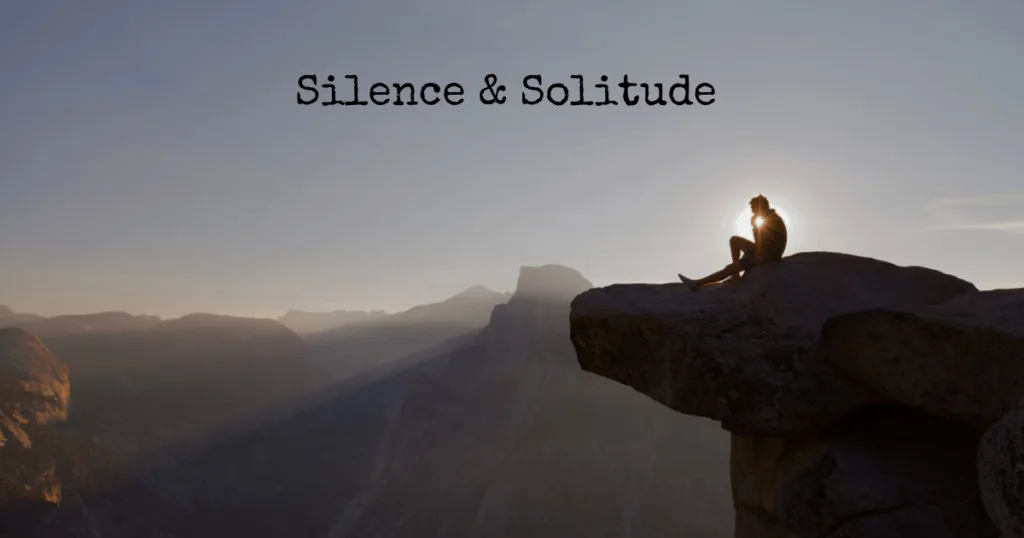
Spiritual solitude means choosing quiet time alone for prayer, reflection, or feeling closer to God. You might spend a few minutes sitting quietly after a busy day, take a walk without your phone, or find a peaceful place to pray. It’s different from feeling lonely because you’re choosing that time for yourself. Here are seven simple ways to practice spiritual solitude, even when you have a busy routine.
What Is Spiritual Solitude?
Spiritual solitude means spending time alone to pray, reflect, or feel closer to God. It’s about setting aside some quiet time for your faith and thoughts without being interrupted.
After a long day of work, family responsibilities, you may want a little time to yourself. You sit in your room, put your phone away, and spend a few minutes praying or thinking about something that’s been on your mind. Nobody is asking you questions, and there’s nothing you need to answer immediately.
For some people, being spiritual means reading scripture or praying. Others spend this time meditating, sitting quietly, or thinking about their beliefs and decisions.
You may find it easier to concentrate when you’re alone. But being quiet doesn’t mean you’ll always feel peaceful. Sometimes you’ll notice worries or thoughts you haven’t had time to consider.
Is Spiritual Solitude the Same as Being Alone?
Not quite.
You can be alone while watching television, working. That doesn’t necessarily mean you’re practicing spirituality. The difference is what you’re doing with your time.
For example, you might be sitting alone because everyone else has gone out. But when you deliberately put distractions aside to pray or reflect, you’re practicing spiritual solitude. You don’t need to spend hours in silence or visit a special place.
Even ten minutes of quiet prayer or reflection can be a way to practice spiritual solitude. The amount of time matters less than what you choose to do with it.
Spiritual Solitude vs. Loneliness and Isolation
Spiritual solitude means choosing to spend time alone for prayer or reflection. Loneliness is the feeling that you don’t have the connection or company you want. Social isolation means having little contact with other people.
Although these experiences involve being alone, they aren’t the same.
| Spiritual Solitude | Loneliness | Social Isolation |
|---|---|---|
| Usually chosen | May happen even around others | May be chosen or happen because of circumstances |
| Time set aside for prayer or reflection | Feeling that something is missing from your relationships | Having limited contact with other people |
| Can last a few minutes or longer | Can happen at any time | May continue for a long period |
| Doesn’t require avoiding relationships | Doesn’t necessarily mean you’re physically alone | Doesn’t always mean you feel lonely |
Can You Enjoy Solitude and Still Feel Lonely?
Yes. You might enjoy praying alone in the morning but feel lonely later when you wish you had someone to talk to. Or perhaps you live alone and rarely feel lonely because you have friends and family you regularly speak with. Spending time by yourself doesn’t automatically mean you’re unhappy.
When Does Solitude Become Isolation?
Suppose you begin spending most evenings alone because you enjoy the quiet. At first, you still visit friends and take part in family activities. But after a while, you stop answering calls, turn down every invitation, and rarely speak to anyone.
That doesn’t necessarily mean spiritual solitude has become harmful. However, it’s worth noticing whether you’re choosing that time because you enjoy it or avoiding people because something about meeting them feels difficult.
Practicing spiritual solitude doesn’t require cutting yourself off from others. You can make time for prayer and quiet reflection while keeping the relationships that matter to you.
Positive Inward Silence And Spiritual Solitude
Instead of just watching a trashy show or beating yourself up, positive spiritual isolation can be practiced to spend time contemplating and focusing. Finding the meaning and purpose of your life leads to pleasant feelings, compassion, and fulfillment, as well as the exploration of your creative side.
Regular isolation helps you develop a focused attitude that enables you to utilize all your abilities to achieve your objectives. When you go into reflective Mode, creative thoughts flow to you. Maintaining regular isolation is a balanced strategy for using them. By completing more tasks in less time, you may maximize your potential.
Why Do People Practice Spiritual Solitude?
People practice spiritual solitude to spend time in prayer, think about their lives, and give attention to their faith without everyday distractions. Some find it comforting, while others simply want a quiet place to reflect on something important.
There isn’t one reason everyone chooses solitude. Here are four common ones.
1. To Pray Without Interruptions
It’s early in the morning, and the rest of the house is still asleep. You have a little time before everyone wakes up and the day’s responsibilities begin. Rather than checking your messages, you sit down to pray. You may have something specific to ask God about, or you may simply want to express gratitude. For someone who values prayer, having this time alone can make it easier to concentrate.
2. To Think About a Difficult Decision
Perhaps you’ve received a job offer in another city. The salary is better, but accepting it would mean moving away from your family. Everyone has an opinion. Some encourage you to go, while others want you to stay.
You decide to spend some time alone because you’re finding it difficult to think with so many people advising you. During that time, you might pray for guidance and consider what the move would mean for your work, family, and finances.
Being alone won’t necessarily tell you which choice is right. It may simply give you time to consider the decision without another conversation interrupting you.
3. To Spend Time Thinking About Their Faith
A passage from scripture has stayed on your mind since you read it. You want to understand it better, so you return to it when you have some quiet time. You read the passage again, think about what it means, and perhaps write down a question you’d like to explore.
For some people, spiritual solitude includes reading religious texts, making dua, or reflecting on God’s teachings. Others use the time to consider whether their actions match the values they believe in.
4. To Have Some Quiet After a Busy Day
You’ve spent the afternoon dealing with work, and family responsibilities. By evening, you don’t feel like talking much. You sit somewhere comfortable for fifteen minutes, and spend some time in prayer or quiet thought. You may think about something that happened earlier or simply enjoy not having to answer anyone for a while.
Nguyen, Ryan, and Deci studied how spending time alone affects people’s feelings. Across four studies, they found that solitude generally reduced the intensity of highly excited or agitated feelings. In one study, people who chose to be alone reported more relaxation and less stress.1
This doesn’t mean everyone will feel calm after spending time alone. The study examined solitude, not spiritual solitude specifically. Sometimes you’ll feel better afterward. Other times, you may still be thinking about the same worries. That doesn’t mean you’ve practiced solitude incorrectly.
Does Spiritual Solitude Have to Serve a Purpose?
Not always. You don’t need a problem to solve or a decision to make before spending time alone with God.
Some people pray because it’s part of their faith. Others enjoy sitting quietly, reading scripture, or reflecting on what they’re grateful for. Spiritual solitude can be part of an ordinary routine, not something you turn to only when life becomes difficult.
You can spend time alone in prayer while continuing to work, care for your family, and enjoy being around other people.
7 Ways to Practice Spiritual Solitude
To practice spiritual solitude, set aside some quiet time for prayer, reading scripture, or thinking about your faith without everyday distractions. You can do this at home, outdoors, or anywhere you feel comfortable spending a little time alone. These seven ways to practice spirituality don’t require a strict schedule or a special place.
1. Spend a Few Minutes in Personal Prayer
Sometimes the only quiet part of the day comes after everyone has gone to bed. You’ve finished the dishes, answered the last message, and finally have a little time to yourself. Instead of starting another task, you sit down to pray.
Perhaps you’ve been worried about a family member. You may want to ask God for guidance, express gratitude, or talk about something you haven’t shared with anyone.
If you already follow a regular prayer routine, you could spend a few minutes in personal prayer afterward. There’s no need to make it a long session. What matters here is that you’re choosing to give prayer your attention instead of trying to fit it between several other activities.
2. Take a Walk and Leave the Usual Distractions Behind
When was the last time you went for a walk without spending most of it looking at your phone? Maybe you usually listen to messages, return calls, or check social media while walking. This time, you could take a familiar route and spend a few minutes without those distractions.
You might notice the weather, look around your neighborhood, or think about something that’s been on your mind. For someone who enjoys praying outdoors, a quiet walk can also provide time for personal prayer. You don’t have to find a spiritual meaning in everything you see.
The walk is simply an opportunity to spend some time away from the things that usually demand your attention.
3. Read Scripture and Think About What You’ve Read
“I know this passage, but I’m not sure what it means.” Perhaps you’ve said something similar while reading the Quran, Bible, or another religious text. You could read the passage again instead of moving straight to the next page.
Is there a word you don’t understand? Does the passage raise a question about something you’ve been taught?
You might check a trusted commentary or write down a question to ask someone knowledgeable. Sometimes you may understand a passage better after reading more about its context. Other times, the question may remain unanswered.
Spending time with scripture doesn’t mean you need to find a new lesson every day. Reading carefully is enough reason to set aside that time.
4. Write About Something You Haven’t Had Time to Think Through
That disagreement with your brother happened days ago, but you still remember it whenever the subject comes up. He thinks you interfered in his plans. You believe you were only trying to help. During your quiet time, you decide to write down what happened.
You remember that he hadn’t asked for advice, but you’d given him several suggestions anyway. Perhaps you were worried he’d make a decision he might regret.
Writing this down doesn’t mean he was right about everything. It helps you see why he may have felt you were taking over.You might decide to ask him what kind of help he’d prefer next time.
If you’re new to writing about your thoughts, our guide to journaling for beginners offers ideas for getting started. You can also use a notebook for personal prayers, questions about your faith, or things you’re grateful for.
5. Spend a Little Time Without Filling Every Quiet Moment
The waiting room is almost empty, and your appointment isn’t for another fifteen minutes. You reach for your phone out of habit. Then you realize there’s nothing urgent you need to check.
You could use a few minutes to sit quietly, pray, or think about your day. You may notice that your mind keeps returning to unfinished tasks. Perhaps you remember an email you haven’t sent or something you need to buy on the way home. That doesn’t mean you’re doing anything wrong. You can make a note if something needs remembering.
Practicing silence doesn’t mean stopping every thought. It means allowing yourself some time without constantly adding another activity.
6. Take Some Time Alone Before Making an Important Decision
Your parents think you should accept the new job. Your friends aren’t so sure. You’ve listened to everyone’s opinions, and now you’re finding it difficult to decide what you think. Instead of having the same conversation again, you spend an evening considering the offer yourself. You might pray for guidance and look at the practical details.
The salary is better, but the journey is longer. You’d have new responsibilities, and you aren’t sure what the working hours will be. You realize there’s a question you still need to ask the employer. That’s useful information to have before making a decision.
Quiet reflection may help you notice what you haven’t considered, but it doesn’t guarantee that your first feeling is correct. You can take time to think and still ask questions, compare options, or seek advice.
7. Choose a Quiet Time That Fits Your Life
An hour of uninterrupted silence sounds lovely until you look at your actual schedule. There are children to get ready for school, meals to prepare, work to finish, and people who need your attention. Trying to follow a routine that doesn’t fit your day may become another thing you worry about.
Perhaps you have ten minutes after your morning prayer. Maybe the house is quieter in the afternoon or just before bed. Choose whichever time works for you.
If you live with others, you could tell them you’d like a few minutes alone for prayer or reading when you’re not needed. And if you miss a day, you can return to it when you’re free.
If you often find that your mind stays busy even when nothing needs doing, our article on why you can’t relax even when nothing is wrong looks at some possible reasons.
What If You Find It Difficult to Sit Quietly?
Not everyone enjoys sitting alone in silence. You may feel restless, become distracted, or prefer doing something while you reflect. You could read a short passage, take a walk, or write a few sentences instead of sitting still. Some people enjoy long periods of quiet prayer. Others find a few minutes more comfortable.
Spiritual solitude doesn’t have to look the same for everyone. You can choose a practice that fits your beliefs, responsibilities, and the amount of time you have.
Spiritual Solitude in Islam
Spiritual solitude in Islam can involve spending time alone in prayer, dhikr (remembering Allah), reading the Quran, and reflecting on your actions. The Arabic word khalwa means seclusion or being alone. In some Islamic spiritual traditions, it also refers to setting aside time for worship and reflection.
You don’t need to leave your home or spend hours away from everyone to have some quiet time with Allah.
What Does the Quran Say About Solitude and Reflection?
The Quran encourages believers to remember Allah and think about His creation.
In Surah Ali ‘Imran (3:191), Allah describes people who remember Him while standing, sitting, and lying down, and who reflect on the creation of the heavens and the earth.2
This verse connects remembering Allah with reflection. It doesn’t prescribe a particular number of minutes to spend alone. For example, you might sit quietly after Salah and think about a verse you’ve recently read. Perhaps there’s something you don’t understand, or a teaching you want to follow more carefully. You can return to the Quran, read a trusted explanation, or speak with someone knowledgeable about Islam.
How Can Muslims Practice Khalwa in Everyday Life?
After Fajr, the house may still be quiet. You’ve finished your prayer, and there’s no immediate reason to rush away.
You might spend a few minutes making dua, doing dhikr, or reading a short passage from the Quran. On another day, you may have more time after Isha.
The time and place can change depending on your responsibilities. A private moment of worship at home isn’t necessarily the same as the formal practice of khalwa found in particular spiritual traditions.

The Practice of God’s Messengers
Before receiving his first revelation, Prophet Muhammad (PBUH) spent time alone in the Cave of Hira, where he would worship and reflect. This was before Ramadan fasting became obligatory.
The Quran mentions Prophet Musa (AS) spending forty nights at an appointed meeting with Allah (Surah Al-A’raf 7:142). These examples show the importance of prayer and quiet reflection in Islamic tradition.
We can also make time for solitude without leaving our daily responsibilities behind. Our article on practicing spiritual reflection explores simple ways to include quiet prayer and reflection in everyday life.
Does Solitude Mean Staying Away From People?
No. Making time for private worship doesn’t mean you have to stop seeing friends, avoid family members, or leave your responsibilities behind.
Suppose you’ve planned to spend the evening reading the Quran, but a family member needs help with something important. You can respond to that need and return to your reading later.
Similarly, you can enjoy spending time alone while still taking part in family life and community worship.
These examples show how prayer and quiet reflection have a place in Islamic tradition. You can also make time for spiritual solitude at home without leaving your family or everyday responsibilities behind.
How to Make Time for Spiritual Solitude in a Busy Life
You can make time for spiritual solitude by using a few quiet minutes you already have during the day. It doesn’t require an hour of silence or changing your entire routine.
Some days, finding time alone is difficult. You may have children to look after, work to finish, or family members who need your attention.
Here are a few ways to make it manageable.
Use the Time After Your Regular Prayers
If you already pray regularly, you may have a few minutes afterward before returning to your responsibilities. For example, after Fajr, you might usually reach for your phone to check messages. Instead, you could spend five minutes making dua, doing dhikr, or reading a little Quran. You’re not adding another appointment to your day. You’re using time that’s already part of your routine.
Don’t Wait Until Everything Is Finished
There’s always another task waiting. The laundry needs folding, someone wants a meal prepared, and your phone keeps ringing. If you decide you’ll only spend time alone when every job is finished, you may rarely get the chance.
Perhaps you have ten minutes before starting dinner. You could sit quietly, pray, or read something meaningful. The remaining chores will still need doing afterward. Taking a short break doesn’t mean you’re ignoring them.
Tell Your Family When You Need a Little Quiet
“Can you give me ten minutes? I’ll help you after that.” Sometimes that’s all you need to say. If you’re sitting down to pray or read and someone keeps interrupting, they may not realize you wanted some uninterrupted time.
You could explain that you’d like a few minutes alone when nothing urgent needs attention. Of course, young children and people who depend on your care may need you unexpectedly. In that case, you can return to your quiet time later rather than treating the interruption as a failure.
Choose a Time That Actually Works
An early-morning routine may suit someone who wakes up before the rest of the family. But if you work late shifts or have a baby who wakes frequently at night, getting up earlier may only leave you more tired. Your quiet time might come after lunch, during a work break, or before bed. There’s no need to follow another person’s schedule.
If you’re regularly trying to make time for everything and finding it difficult, our article on balancing the areas of life discusses how different responsibilities can compete for your time.
What If You Miss a Day?
You may plan to spend fifteen minutes reading scripture in the evening, but a relative visits unexpectedly. By the time they leave, you’re exhausted. You can go to bed and return to your reading another day.
Practicing spiritual solitude doesn’t require you to follow a perfect schedule. The amount of time you have may change from one day to the next.
What matters is finding opportunities for prayer and reflection that fit your life rather than making quiet time another responsibility you feel pressured to complete.
How to Use Solitude for Setting Boundaries
Spiritual solitude can give you time to think about your boundaries and how much you’re doing for other people. When you’re busy answering requests and helping everyone, you may not notice how often you’re putting your own plans aside.
“Can you come over tomorrow? I need some help.” Your friend asks, and you say yes without thinking. Later, you remember that you’ve already got work to finish. You’re annoyed about losing another afternoon, but you don’t want to cancel. When you finally have some quiet time, you think about why you agreed.
Maybe you genuinely wanted to help. But perhaps you were also worried that your friend would be disappointed if you said no. You may realize that she wasn’t demanding your time. She was simply asking whether you were available.
Next time, you could say, “I’ve got some work tomorrow, so I can’t come over.” You can also think about the limits you set for yourself.
Perhaps you’ve decided to spend fifteen minutes reading the Quran after prayer, but you keep checking your messages. By the time you put it away, you’ve spent most of those minutes answering messages.
Putting your phone on silent while you read is one small way to protect the time you’ve set aside. If you regularly agree to things you don’t have time for, our article on self-abandonment coping mechanisms looks at similar habits.
Setting boundaries doesn’t mean refusing to help people. Sometimes you’ll have time to help, and sometimes you won’t. Spending time alone may help you notice when you’ve agreed to more than you can manage. But the next step happens when someone asks for your time, and you give them an answer that reflects what you’re actually able to do.
Balance Spirituality and Material Life
Spiritual solitude can be part of your faith without taking you away from everyday responsibilities. In Islam, spending time in prayer and reflection matters, but so does caring for your family, working, and helping others.
For example, you may want an hour alone to read the Quran, but your children need your attention. You can return to your reading when you’re free.
The aim isn’t to avoid people or everyday duties. It’s to make time for worship while living up to your responsibilities. Our article on balancing the areas of life discusses how to manage different responsibilities.
Spiritual Solitude and Emotional Intelligence
Spiritual solitude may help you notice your feelings and think about how you’ve responded to others. Quiet time can give you a chance to consider something that bothered you during the day.
Perhaps you spoke harshly to a family member because you were tired. Later, during prayer or reflection, you remember the conversation and realize your words may have hurt them. You might decide to apologize or explain what was bothering you.
Reflecting on Allah’s teachings may also encourage you to think about patience, kindness, and how you treat people. If you often struggle to understand why certain situations upset you, our article on emotional triggers explores similar experiences.
How Extroverts Can Practice Spiritual Solitude
Extroverts can practice spiritual solitude without giving up the company of others. Enjoying conversations, family gatherings, and social activities doesn’t mean you can’t appreciate a little quiet time. If you’re used to being around people throughout the day, sitting alone for an hour may not sound appealing.
You could begin with five minutes of prayer after waking up. Some people prefer reading scripture or writing because they find it difficult to sit quietly without doing anything. You might also notice that you reach for your phone whenever you’re alone.
There’s nothing wrong with enjoying conversations, but if you want some uninterrupted time, try leaving social media until after your prayer or reading.
Our article on stopping the habit of seeking social media validation discusses related online habits. You don’t need to become less social to practice solitude. You can enjoy being around others and still choose a few quiet moments for yourself.
Can Spiritual Solitude Support Personal and Spiritual Growth?
Spiritual solitude can give you time to think about your faith, decisions, and how you’ve been treating people. What you get from that time depends on your beliefs and what you choose to do.
Perhaps you’ve been impatient with your family lately. During prayer, you remember a conversation where you spoke rudely to someone. You may decide to apologize or respond differently next time.
On another day, you might think about something you’re grateful for or return to a passage from scripture that you want to understand better. For some people, these moments are part of feeling closer to God. Others simply appreciate having time to consider their actions without interruptions.
You can also use gratitude journal prompts if you’d like questions to guide your writing. Not every quiet moment will lead to a new understanding or a change in your life. Sometimes you’ll pray, reflect, and return to your day feeling much the same. That doesn’t make the time meaningless. Spiritual practice doesn’t have to produce an immediate result to matter to someone.
My Reflections on Spiritual Solitude
With work, family, and everyday responsibilities, finding time alone isn’t always easy.
Some days, you may have fifteen minutes after prayer to read the Quran or think about something that’s been troubling you. Other days, you may barely have time to sit down.
In Islam, khalwa is associated with spending time alone for worship and reflection, particularly in certain spiritual traditions. But you don’t have to withdraw from daily life to make room for private prayer.
Spiritual solitude can be a small part of an ordinary day. You might use that time to make dua, think about a decision, or reflect on how you’ve treated someone.
You won’t always find an answer to what’s worrying you, and you don’t need to. You can return to your responsibilities afterward, knowing you’ve made some time for your faith and thoughts.
FAQs about Spiritual Solitude
What Is the Spiritual Meaning of Solitude?
Spiritual solitude means choosing to spend time alone for prayer, reflection, or connecting with God. It gives you a chance to think about your faith without everyday distractions.
For example, you might spend a few minutes reading scripture after prayer or sit quietly to think about something that’s been bothering you.
It doesn’t mean avoiding people or giving up your daily responsibilities.
What Are the Spiritual Benefits of Solitude?
Some people find spiritual solitude useful because it gives them time to pray, think about their actions, and read religious texts without interruptions.
You might remember a conversation where you spoke impatiently to someone and decide to apologize. Or you may want to spend time thinking about something you’re grateful for.
These are possible experiences, not guaranteed results. Quiet reflection won’t always make you feel peaceful or solve what’s worrying you.
How Do You Practice Spiritual Solitude?
To practice spiritual solitude, choose a quiet place and spend a few minutes praying, reading scripture, or reflecting on your faith.
You could begin with five minutes after your usual prayer, take a quiet walk, or write down a question you’ve been thinking about.
There’s no required amount of time. Choose something that fits your beliefs and daily routine.
What Is Spiritual Isolation?
Spiritual isolation can mean feeling separated from your faith, religious community, or the people who usually support you spiritually.
For example, someone who has stopped attending religious gatherings may miss the encouragement and company they previously enjoyed.
The term is also sometimes used to describe religious seclusion, so its meaning depends on the context.
Unlike unwanted isolation, spiritual solitude generally refers to time alone that you choose for prayer or reflection.
What Is the Spiritual Power of Silence?
In many religious traditions, silence is valued because it gives people time for prayer, worship, and reflection.
For instance, you might sit quietly after reading a passage from scripture rather than immediately moving on to another activity.
Some believers describe this as feeling closer to God. That’s a personal spiritual experience, not something science can measure or guarantee
Silence itself doesn’t have to produce a special feeling to be meaningful.
- Nguyen, T.-V. T. Ryan, R. M., & Deci, E. L. (2018). Solitude as an approach to affective self-regulation. Personality and Social Psychology Bulletin, 44(1), 92–106. https://doi.org/10.1177/0146167217733073 ↩︎
- Surah Ali ‘Imran (3:191) discusses remembering Allah in different circumstances and reflecting on creation. It supports the discussion of dhikr and reflection, rather than establishing a specific method of spiritual seclusion. ↩︎
Written By Mehwish Qurayshi
Mehwish Qurayshi is a Trauma-Informed Emotional Wellness Counsellor trained through NICABM’s Treating Trauma Master Series, which includes NBCC-approved education in Trauma Treatment and Emotional Wellness & Emotional Intelligence – Sourcecode Academia. She has over five years of experience providing emotional wellness counselling, helping individuals heal from trauma, regulate emotions, and build healthy relationships.