9 Reasons Behind the Growing Trend of Preference for Solitude in a Social World

Social interaction is frequently seen as a key component of success and happiness in today’s hyperconnected culture. It’s now easier than ever to stay in touch due to social media’s growth and unending digital communication. Yet, many people are starting to sense a strong inward pull towards solitude. In reality, there is a growing movement among people to seek solitude, opting to spend more time alone rather than being surrounded by people all the time.
“Why do I feel the need to be alone more often?” is a question you may ask yourself. “Is there a problem with me?” This change reflects deeper psychological demands and provides some emotional advantages; it’s not just about avoidance. The preference for solitude is not a retreat from life but a conscious decision to regain control over one’s time, thoughts, and emotions.
The Social Overload Due To Internal Battle
Socialising has become the norm in the world we live in. Whether it’s a social media post, an online conversation, or a meeting, everyone appears to be involved in something all the time. Many people start to feel emotionally exhausted as a result of the nonstop loudness. When you prefer isolation, it is often misunderstood as a sign of social incompetence. While this preference for solitude can be a deliberate and healthy choice, it originates from the need for mental clarity and emotional restoration.
1. Overstimulation from Social Media
Overindulgence in Social Media
It might be mentally taxing to be constantly flooded with notifications, texts, and updates. Despite linking you to the outside world, social media often leads to emotional exhaustion due to the irrational expectations and comparisons it generates. The pressure to always interact, reply, and keep up an online presence may overwhelm you. Stress and anxiety result from this overstimulation. You can find room to breathe and separate yourself from the digital noise by stepping back and enjoying isolation.
In real life, this manifests as feeling empty after spending all of your free time scrolling through your social media feeds. A natural reaction to emotional overload is to break out of this never-ending loop.
The inclination towards preference for solitude in the digital era is philosophically related to the concept of individual agency. You take charge of your mental space when you step back. Solitude is a tool for emotional healing and development because it allows you to detach and find equilibrium.
2. The Desire for Deep, Meaningful Connections
Even while informal interactions with others are fun, many people think they lack substance. You can conclude that shallow discussions or group activities don’t provide the emotional support you need. The desire to develop closer, more meaningful relationships with a small number of people rather than participating in large social circles might lead to a preference for solitude. This is particularly true if you feel unfulfilled by social interactions due to past experiences.
The idea that spending time alone allows you to explore and develop rather than getting sucked into shallow interactions often accompanies this internal shift. When you realise that being alone does not equate to loneliness, your emotional reaction usually involves relief.
3. The Need for Personal Reflection and Growth
One of the best methods to understand your ideas, feelings, and desires is to spend time by yourself. You have time to think back on your life, interpret your experiences, and make plans for the future when you’re by yourself. When you feel overburdened by life’s responsibilities and long for time to organise your thoughts, you may experience this need for solitude.
You can discover that spending time by yourself helps you understand who you really are and what you want out of life. Since solitude allows you the time and mental clarity to analyse life’s difficulties, the emotional reaction here is of peacefulness.
4. The Pressure of Constant Social Expectations
Whether it’s being the life of the party, being in touch all the time, or having a packed social schedule, modern society puts pressure on people to be “on” all the time. This pressure can eventually seem oppressive, making you yearn for isolation as a way to get away. The continual pressure to live up to others’ expectations may wear you out, and the only way to rejuvenate yourself is through isolation.
5. Emotional and Mental Fatigue from Social Interactions
People frequently underestimate the emotional and psychological toll regular social interaction may have. Burnout results from excessive socialising, even in extroverts. But the impacts are significantly more noticeable if you’re an introvert. In this instance, the demand for seclusion stems from emotional fatigue.
You can feel exhausted after spending a lot of time with people and be unable to interact with them meaningfully. Silence and calm are what your mind and emotions need to refuel. Here, weariness and a need for silence are the emotional reactions.
You can rest and replenish your emotional energy in solitude, which enables you to return to the outside world feeling rejuvenated and prepared to interact with clarity.
6. The Influence of Modern Work Culture
There is limited margin for personal space due to the demands of contemporary work culture, which include frequent meetings, emails, and group projects. Overwork and a lack of autonomy in daily schedules are major causes of burnout for many people. Because it offers a unique opportunity to detach from the demands of work life, this may lead to a greater desire for isolation.
The need for a peaceful place and the sense of being overburdened by work responsibilities are the triggers in this situation. You may take this internally, as needed, for some alone time to reflect and rejuvenate. Stress and a need for tranquilly are mixed in the emotional reaction.
7. The Rise of Mental Health Awareness
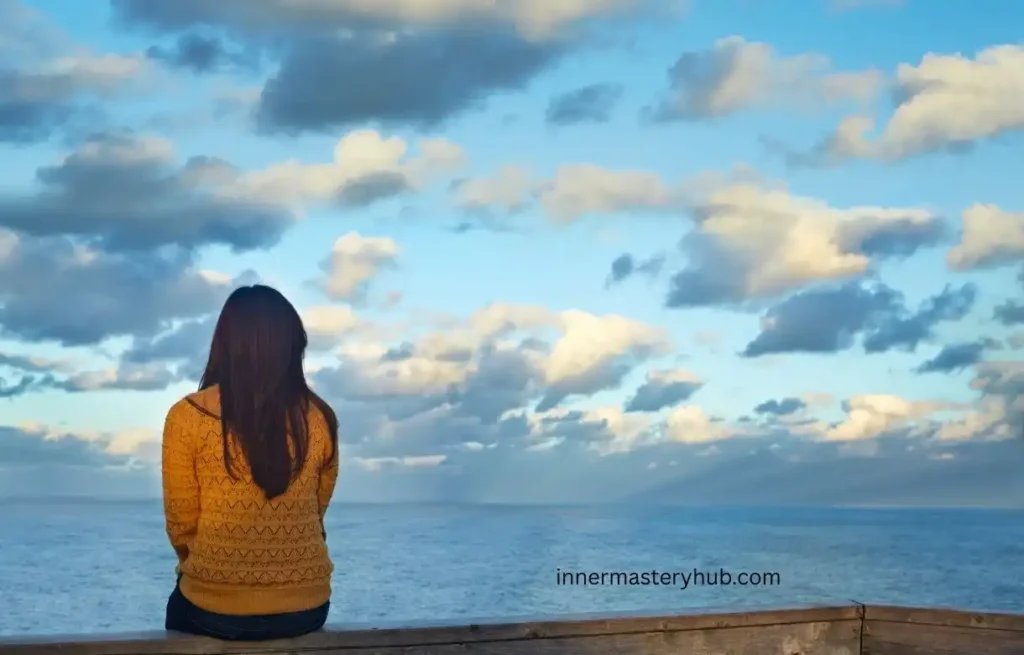
More people are realising the value of caring for their emotional well-being as mental health awareness rises. For some, this means creating room for isolation. In actuality, loneliness can be a beneficial coping strategy for stress, anxiety, or depression.
When you’re feeling overwhelmed by unpleasant emotions, you may feel an impulse to isolate and seek a safe place to process them free from outside influences. Since being alone lets you take care of your mental health without any interference from others, the emotional reaction in this situation is relief or comfort.
A person’s choice to isolate under these circumstances reflects their sense of accountability for their mental well-being.
8. The Need for Autonomy and Control
The urge for personal liberty grows as social constraints do. Being alone provides a haven where you are not subject to outside influence. Spending time alone might help you reclaim a sense of personal agency in a society that often seeks to prescribe how you should act or what you should do.
This internal conflict occurs when you feel constrained by other people’s expectations. Being alone allows you to break free from these limitations and choose what you want.
9. The Influence of Cultural Shifts
The acceptance of introversion and the importance of alone time is expanding as society standards change. Instead of being viewed as strange or antisocial, an impulse for isolation is now acknowledged as a legitimate, necessary factor in preserving mental health.
For individuals who have always valued isolation, this cultural shift provides a sense of legitimacy. It enables you to rediscover who you really are by embracing your urge for alone time without feeling guilty.
The Growing Trend of Preference for Solitude
It is not a sign of weakness or a lack of social interaction to prefer isolation. It shows a deliberate decision to prioritize mental clarity, emotional stability, and personal well-being. The preference for Solitude provides a haven to reset and re-establish your emotional equilibrium, whether it is due to overstimulation, the need for closer relationships, or the need for tranquility.
Giving preference to solitude is a tremendous act of self-care and self-respect in a world that expects more of you than you can provide. With your preference for solitude, you are deciding to rediscover who you really are, take back control of your life, and live a more purposeful and happy life.
FAQs About The Trend of Preference for Solitude
Is a preference for solitude a sign of loneliness?
Not necessarily. A preference for solitude doesn’t mean someone is lonely. It often reflects the desire for personal time, relaxation, and self-reflection, without the pressure of social obligations.
How does preference for solitude improve mental health?
A preference for solitude can help reduce stress, prevent burnout, and increase mindfulness. It allows individuals to clear their minds, process emotions, and regain mental clarity, promoting overall well-being.
Why do some people prefer solitude over socializing?
Some people prefer solitude because it allows them to recharge, avoid social exhaustion, and reflect on personal thoughts. Introverts, in particular, tend to find energy in quiet moments alone.
Is a preference for solitude unhealthy?
No, preference for solitude is not inherently unhealthy. It can provide necessary mental rest and emotional clarity. However, excessive isolation may lead to loneliness or depression, so balance is important.
What does preference for solitude mean?
Preference for solitude refers to the natural inclination to spend time alone rather than engaging in social activities. It involves enjoying peace, introspection, and recharging without the need for constant interaction with others.
How do I know if I need more preference for solitude?
If you feel drained, overwhelmed, or unable to focus in social settings, it may be time to embrace solitude more. Pay attention to your emotional needs and allow space for quiet reflection.
How can I enjoy a preference for solitude without feeling lonely?
Embrace preference for solitude by engaging in activities you enjoy alone, such as reading, writing, or walking. Focus on personal growth and use the time to connect with yourself rather than feeling isolated.
Can preference for solitude be a spiritual experience?
Yes, preference for solitude can be deeply spiritual. It offers time for meditation, reflection, and connecting with your inner self. Many spiritual practices encourage solitude for self-discovery and mindfulness.
What are the benefits of a preference for solitude?
A preference for solitude offers many benefits, such as improved self-awareness, increased productivity, mental clarity, and emotional resilience. It helps you reset and strengthens your sense of independence.
How can a preference for solitude boost creativity?
A preference for solitude provides an environment free from distractions, helping you focus on ideas and creative thoughts. Without interruptions, you can think deeply, experiment, and problem-solve more effectively.