
If You Want to Earn Respect, Avoid These 15 Costly Mistakes

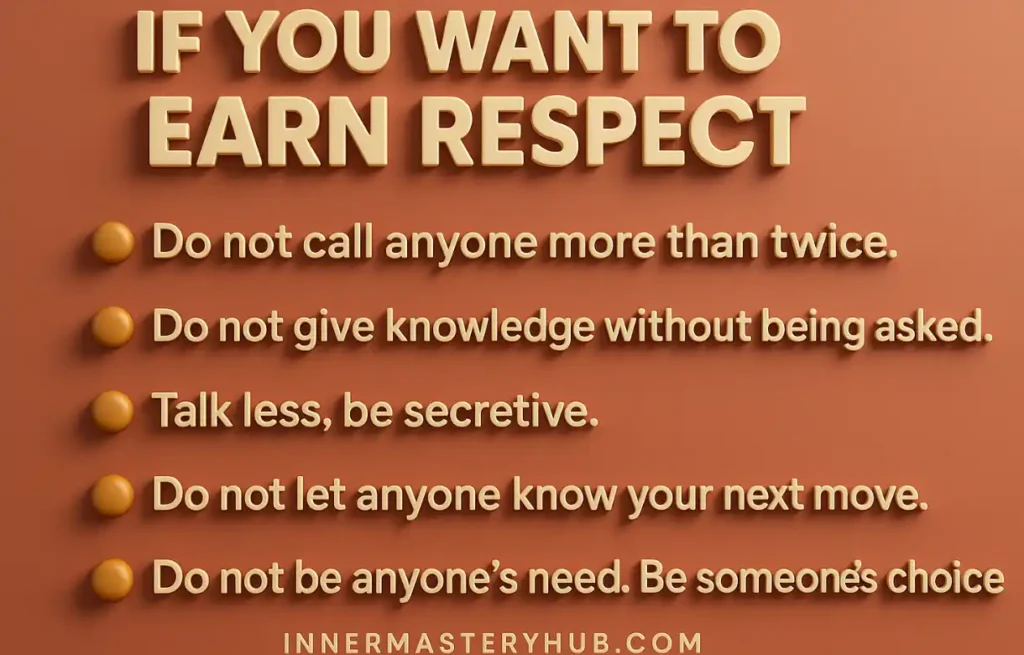
If you want to earn respect, start by looking at how you handle the moments when people depend on you or disagree with you. Do you listen when someone raises a concern, admit when you’ve made a mistake, or promise something you know you can’t manage?
At work, you might know your job well but lose someone’s trust by taking credit for their contribution. In a friendship, you might avoid saying no until you’ve agreed to something you cannot afford.
These 15 common mistakes show how everyday behaviour can affect trust and respect, along with what you can do differently without pretending to be confident all the time.
What Does It Mean to Earn Respect?
To earn respect means building trust through how you treat people, handle responsibilities, and respond when something goes wrong. You don’t have to be the loudest person in the room or agree with everyone to be taken seriously.
Imagine you’re working on a group project. One coworker promises to finish their part but repeatedly misses deadlines. Another notices they’re running behind, tells the team early, and asks how they can help keep the project on track. You may enjoy working with both, but you’re more likely to rely on the person who communicates honestly.
The same applies to everyday relationships. If you borrow money, you repay it when promised. If you hurt someone’s feelings, you listen rather than immediately defending yourself. And when you can’t help someone, you tell them instead of agreeing and cancelling later.
Being liked and being respected aren’t the same thing. Someone may disagree with your opinion but still trust you to be fair and keep your word. And while these behaviours can help you earn respect, they don’t guarantee how others will treat you. Everyone deserves basic dignity, whether they’ve earned someone’s trust or not.
Why Do Some People Naturally Earn Respect?
You probably know someone whose opinion people take seriously, even when they disagree with it. They might not speak much in meetings or try to impress anyone, but you’ve seen how they treat people when something goes wrong.
Imagine a colleague challenges your idea in front of the team. You feel embarrassed and want to defend yourself, but you ask them to explain their concern. If they point out something you’ve missed, you acknowledge it. If you still disagree, you explain why without making the conversation personal.
You don’t have to hide your frustration or agree just to keep the peace. You can ask for time to think, change your mind, or stand by your decision without putting someone else down.
People may come to trust your judgment when they see that they can disagree with you without being mocked. Earning respect isn’t about having the perfect response. It’s about how you treat people when a conversation doesn’t go your way.
Research by Mayer, Davis, and Schoorman (1995) identifies ability, goodwill toward others, and integrity as important factors in how people judge trustworthiness at work. Although trust and respect aren’t exactly the same, the research helps explain why people may value someone who treats others fairly and takes responsibility for their actions.[1]
Why Does Chasing Respect Often Push It Away?
When you try too hard to earn respect, you may start worrying more about keeping people happy than being honest with them. You say yes when you’re already busy, apologise to avoid an argument, or keep quiet when someone says something that bothers you.
Imagine a friend who regularly asks you for last-minute favours. You cancel your own plans to help because you’re afraid they’ll think you’re selfish if you refuse. After a few weeks, they start expecting you to be available whenever they need something. You feel frustrated, but you’ve never told them how much you’re changing your plans.
Sometimes, seeking external validation can make it difficult to express what you actually want. You may hope people will notice your efforts and appreciate you without having to ask.
If you’ve experienced harsh criticism or arguments when saying no in the past, speaking up may feel uncomfortable. You might agree quickly just to avoid another difficult conversation. That doesn’t necessarily mean you lack confidence.
The next time someone asks for something you cannot manage, you could say, “I can’t help tonight, but I can make time on Sunday.” If you need to think, it’s fine to say, “Let me check before I promise anything.”
You can be helpful without being available for everything. Someone may be disappointed when you set a limit, but that doesn’t automatically mean you’ve been unfair or disrespectful.
How Does Emotional Regulation Help You Earn Respect?
Emotional regulation can help you earn respect by giving you time to respond when you’re angry, embarrassed, or hurt, rather than saying something you don’t mean. It doesn’t mean hiding your feelings or agreeing with everyone.
Imagine your coworker points out a mistake during a meeting. You feel embarrassed and immediately want to defend yourself. Instead of interrupting, you ask which part needs correcting. Later, you tell them, “I’m happy to discuss mistakes, but I’d prefer you speak to me privately next time.”
You’ve addressed the mistake without ignoring how their approach made you feel.
Other times, you might notice yourself speaking louder, cutting someone off, or assuming they’re criticising you before they’ve finished. These reactions are worth paying attention to, especially if you often feel personally attacked during disagreements.
If an argument becomes too heated, you can say, “I’m upset right now. Can we come back to this in half an hour?” Taking time to collect your thoughts doesn’t mean you’re avoiding the problem, provided you return to the conversation when it’s safe to do so.
Psychologist James Gross (1998) describes emotional regulation as the ways people influence which emotions they experience, when they experience them, and how they express them. His research helps explain why responding to an emotion isn’t the same as acting on the first impulse it brings.[2]
You may not always handle a disagreement well. If you interrupt someone or speak harshly, acknowledging it afterward can help repair the conversation. People may find it easier to raise concerns with you when they know a disagreement won’t automatically turn into a personal attack.
Can Trauma Affect Your Ability to Earn Respect?
Yes, difficult past experiences may affect how comfortable you feel speaking up, disagreeing with someone, or telling them when they’ve crossed a line. But having trouble with these things doesn’t automatically mean you’ve experienced trauma.
Imagine you grew up in a home where questioning an adult often led to shouting. Now, when your partner raises their voice, you apologise before they’ve even explained what’s wrong. You might spend the rest of the conversation agreeing with them, then realise later that you never said what was bothering you.
Or perhaps a former manager regularly embarrassed you in front of coworkers. At your new job, you still rehearse questions in your head and stay quiet during meetings, even when you have something useful to contribute.
Past experiences don’t explain every reaction, but they can sometimes help you understand why certain conversations feel uncomfortable. You may notice that criticism makes you feel personally attacked, even when the person speaking isn’t trying to hurt you.
If this sounds familiar, you don’t need to push yourself into an argument to prove you’re confident. You could begin by expressing a different opinion to someone you trust or saying, “I need a little time to think about that.”
Healing may include learning which people you feel safe disagreeing with, noticing when you apologise out of fear rather than responsibility, and allowing yourself to speak without rehearsing every possible reaction.
You don’t have to overcome your past or become more assertive to deserve respect. If someone repeatedly humiliates, threatens, or intimidates you, their behaviour isn’t something you should have to fix by communicating better.
Can Trauma Affect Your Ability to Earn Respect?
Yes, difficult past experiences may affect how comfortable you feel speaking up, disagreeing with someone, or telling them when they’ve crossed a line. But having trouble with these things doesn’t automatically mean you’ve experienced trauma.
Imagine you grew up in a home where questioning an adult often led to shouting. Now, when your partner raises their voice, you apologise before they’ve even explained what’s wrong. You might spend the rest of the conversation agreeing with them, then realise later that you never said what was bothering you.
Or perhaps a former manager regularly embarrassed you in front of coworkers. At your new job, you still rehearse questions in your head and stay quiet during meetings, even when you have something useful to contribute.
Past experiences don’t explain every reaction, but they can sometimes help you understand why certain conversations feel uncomfortable. You may notice that criticism makes you feel personally attacked, even when the person speaking isn’t trying to hurt you.
If this sounds familiar, you don’t need to push yourself into an argument to prove you’re confident. You could begin by expressing a different opinion to someone you trust or saying, “I need a little time to think about that.”
Healing may include learning which people you feel safe disagreeing with, noticing when you apologise out of fear rather than responsibility, and allowing yourself to speak without rehearsing every possible reaction.
You don’t have to overcome your past or become more assertive to deserve respect. If someone repeatedly humiliates, threatens, or intimidates you, their behaviour isn’t something you should have to fix by communicating better.
A 2026 study by Niedtfeld and colleagues examined how childhood maltreatment relates to trust and attachment in adult relationships. The researchers found associations between difficult childhood experiences, lower interpersonal trust, and greater relationship insecurity. These findings don’t mean everyone with a difficult past will struggle to trust others, but they help explain why some people may find certain relationships harder to navigate.[3]

15 Common Mistakes That Make It Harder to Earn Respect
If you want to earn respect, it helps to notice the habits that sometimes make people hesitate to trust your words or rely on you. You might interrupt without realising it, dismiss a concern too quickly, or make promises you can’t keep.
Here are 15 common mistakes that can affect how people respond to you at work, at home, and in everyday relationships.
1. Interrupting Before Someone Finishes Speaking
You’re discussing a project with a coworker who says the deadline might need to change. Before they finish explaining, you jump in and tell them to manage their time better.4
Later, you discover the client hasn’t supplied the information they need to finish the work. You assumed the delay was their fault before hearing what was actually happening.
You may have interrupted because you were worried about the deadline, not because you wanted to dismiss them. But the coworker still had to defend themselves against an accusation they hadn’t earned.
Next time, you could ask, “What’s holding things up?” and give them a chance to explain before deciding how to respond.
If you notice yourself becoming defensive during feedback, understanding why you sometimes feel personally attacked may also help you recognise when you’re listening to defend yourself rather than understand the concern.
2. Ignoring Your Tone and Body Language
You’re having dinner with a friend after a tiring day. They ask how work went, and you answer with a short “Fine,” sigh, and return to scrolling through your phone.
Your friend grows quieter and eventually stops trying to make conversation. They don’t know whether you’re upset with them or simply tired.
You weren’t trying to dismiss them, but your short answers and lack of attention gave them little to work with.
A few words explaining that you’ve had a difficult day could prevent that misunderstanding. You don’t need to smile constantly or maintain eye contact to show that you’re listening.
3. Being Inconsistent in Your Behaviour
You ask everyone at home to put their phones away during dinner, but you regularly answer messages at the table. When someone questions it, you insist your messages are more important.
Now compare that with a family member who occasionally needs to answer an urgent call but explains why and puts their phone away afterward.
The difference isn’t that one person follows the rule perfectly. It’s that one makes exceptions without acknowledging them, while the other explains what’s happening.
When the rules seem to change depending on who’s following them, people may begin questioning whether those expectations are fair.
4. Avoiding Responsibility for Your Mistakes
You’ve organised a family gathering and accidentally sent everyone the wrong address. Several relatives arrive at another location, and the plans are delayed.
When someone points out the mistake, you immediately say, “Why didn’t you call and check?”
You may be embarrassed, but the people who followed your instructions now find themselves defending something they didn’t do wrong.
You could say, “I sent the wrong address. Sorry about that. I’ll send everyone the correct location now.”
You don’t have to take responsibility for everything that goes wrong. But when you’ve made an error, acknowledging your part helps people understand what happened without turning the conversation into an argument.
5. Avoiding Conflict or Always Agreeing
Your family wants to book an expensive hotel for a holiday. You know the cost would leave you short on rent, but when someone asks whether you’re happy with the plan, you say yes.
A few days later, everyone is ready to pay. You start making excuses because you don’t know how to explain that you can’t afford your share.
You may have been worried about disappointing your family, particularly if disagreements have led to harsh reactions in the past.
You could say, “I’d like to come, but that hotel is outside my budget. Could we look at something cheaper?”
You don’t have to explain every detail of your finances. Giving an honest answer earlier allows others to make plans with accurate information.
6. Being Arrogant or Dismissive
A new colleague suggests changing how your team sorts customer requests. You interrupt and tell them the current system has worked for years.
Two weeks later, you discover that several complaints have been sitting in the wrong inbox because the existing process doesn’t send them to the right department.
Your colleague had noticed the problem before you did, but you didn’t hear the rest of their suggestion.
There’s a difference between deciding an idea won’t work after examining it and rejecting it because the person suggesting it has less experience.
You don’t need to agree with every suggestion. But dismissing someone before they’ve explained their reasoning can mean missing information your team needs.
7. Failing to Set Boundaries
Your neighbour asks to borrow your car for an appointment, and you agree. The following week, they ask again. Soon, they’re contacting you whenever they need transport.
You’re uncomfortable lending the car so often, especially because you’re worried about insurance and being without it when you need it. But you keep agreeing because you’ve helped before.
You could say, “I was happy to help that day, but I’m not comfortable lending my car regularly.”
Your neighbour may be disappointed or ask you to reconsider. That doesn’t mean you need to come up with a more convincing excuse.
If you feel guilty afterward, remember that feelings aren’t always facts. Feeling uncomfortable about refusing a request doesn’t necessarily mean you’ve treated someone unfairly.
8. Forgetting to Appreciate Others
Your sister spends Saturday helping you move into a new apartment. She carries boxes upstairs, helps arrange the furniture, and stays until the last cupboard is unpacked.
At dinner, you describe how exhausting the move was without mentioning her help. She may not expect a reward, but hearing you talk as though you managed everything alone could leave her feeling overlooked.
A specific thank-you acknowledges what she contributed. At work, that might mean mentioning the colleague who corrected an error before a presentation rather than accepting all the credit yourself.
People don’t always need public praise. But having their contribution recognised can matter, especially when they’ve given up time or taken on extra work.
9. Reacting Emotionally and Impulsively
You’re standing in a queue when someone walks past you and approaches the counter. You immediately say, “There’s a line, you know.”
The person explains that the cashier called them back to collect something they’d already paid for.
You didn’t know why they were approaching the counter, but you’d already decided they were being rude.
Instead of accusing them, you could ask, “Excuse me, are you waiting to be served?”
If they really were pushing ahead, you could still speak up. The difference is that you’ve checked what happened before deciding what they intended.
If you often notice yourself becoming irritated before you’ve heard someone’s explanation, paying attention to your emotional triggers may help you recognise these moments.
10. Pretending to Be Perfect
You’re baking a cake for a family celebration when you realise you’ve mixed up two ingredients. You know the cake won’t turn out properly, but everyone has been looking forward to it, and you don’t want to admit you’ve made a mistake.
You serve it anyway. When someone notices the unusual taste, you blame the recipe rather than explain what happened.
The problem isn’t that you made a baking mistake. It’s that you let people believe something else had gone wrong because admitting it felt embarrassing.
You could say, “I mixed up the ingredients. This one’s on me. I’ll get something else for dessert.”
You don’t need to announce every small mistake. But when your error affects someone else, explaining what happened gives them a chance to understand the situation instead of wondering why you’re avoiding it.
11. Showing Off or Dominating Attention
You’re at a friend’s birthday dinner when someone announces they’ve been offered a job they’ve wanted for years.
Before they can explain what the role involves, you begin talking about your recent promotion, salary increase, and the opportunities coming your way.
You may simply be excited about your own achievements, but your friend hasn’t had much chance to share theirs.
The conversation moves on, and nobody asks about their new job.
Being proud of your success isn’t the problem. It’s worth noticing whether other people get to finish their stories before the conversation returns to you.
12. Neglecting Self-Development
You’ve worked in customer service for ten years and know how to deal with difficult customers. But your company introduces a new booking system, and you decide you don’t need the training.
A week later, a customer asks you to change their reservation. You spend several minutes searching through the system before asking another employee to handle it.
Now consider a colleague with similar experience who attends the training and learns how to make the change independently.
Your years of experience still matter. The difference is that one person has added a skill the job now requires, while the other is relying on coworkers to complete that part of the work.
Learning something new doesn’t take away from what you already know.
13. Disrespecting Yourself
A friend repeatedly makes jokes about your appearance in front of other people. You’ve mentioned that the comments bother you, but they continue and tell you you’re being too sensitive.
At the next gathering, they do it again. You laugh along because you don’t want an argument, then spend the evening wishing you’d said something.
You could tell them, “I’ve already asked you not to joke about my appearance. If it happens again, I’m going to leave.”
If they continue, you can decide whether to attend future gatherings with them. You don’t need to keep explaining why the comments hurt.
You may also find it useful to recognise when someone is deliberately pushing your buttons, rather than assuming every hurtful remark was harmless.
Their behaviour isn’t proof that you lack self-respect. You can set a clear boundary, and someone may still choose to ignore it. How they treat you remains their responsibility.
14. Expecting Respect Without Earning Trust
You’ve recently become a manager and decide to change everyone’s working hours. During a meeting, an employee explains that the new schedule would make it difficult to collect their child from school.
You reply, “I’m the manager. This isn’t up for discussion.”
The employee may follow the schedule because they’re required to, but that doesn’t mean they agree with the decision or trust how it was made.
You could say, “I understand the new hours create a problem. Let me explain why we’re making the change, and let’s see whether another arrangement is possible.”
You may not be able to accommodate every request. Still, explaining the reasons and hearing someone’s concerns gives them more information than simply reminding them who’s in charge.
Your position gives you authority, but it doesn’t automatically establish trust. Everyone deserves basic respectful treatment, regardless of their job title.
15. Ignoring Cultural and Personal Differences
You’ve started working with someone who speaks softly and rarely makes direct eye contact. During conversations, you assume they’re distracted because they don’t look at you while you’re speaking.
One afternoon, you ask whether they’re paying attention. They seem surprised and explain that they’re listening carefully, even though they don’t usually maintain eye contact.
You were judging their attention by a behaviour you personally associate with respect.
People have different communication habits. Some prefer direct questions, while others need time to think before answering. Eye contact, speaking volume, and conversational pauses can also vary between individuals and cultural settings.
Instead of assuming someone is being rude, you could ask, “Would you prefer to talk this through now, or should I send you the details so you can review them?”
You don’t have to know every cultural custom to communicate respectfully. If someone’s response seems unfamiliar, ask what works for them before deciding what their behaviour means.
How to Rebuild Respect After Losing Someone’s Trust
If you’ve broken someone’s trust, saying sorry may not be enough to make things right. They may want to know whether you understand why they’re upset and whether the same thing could happen again.
Suppose a friend tells you something personal and asks you to keep it private. Later, you mention it to another friend. When they find out, your first response is, “I only told one person. I didn’t think it was a big deal.”
But they trusted you not to share it with anyone. Explaining how few people you told doesn’t change what happened.
You could say, “You asked me to keep that between us, and I didn’t. I’m sorry. I should have asked before sharing anything.”
Your friend might accept the apology but stop telling you personal things for a while. Instead of repeatedly asking why they don’t trust you, respect what they’re comfortable sharing.
If they confide in you again, keep the conversation private. If you aren’t sure whether something can be shared, ask rather than assume.
Research by Kim and colleagues (2004) examined how apologies and denials affect trust repair after different kinds of violations. Their findings suggest that the effectiveness of an apology depends partly on what went wrong and how the other person understands it.[5]
You can acknowledge your mistake and change what you do afterward, but you cannot decide when someone else should trust you again.
Does Self-Respect Affect How Others Treat You?
Yes, self-respect can influence how you respond when someone ignores your time, dismisses your concerns, or expects you to keep making exceptions for them. It doesn’t mean you can control whether they treat you respectfully.
Suppose you have a friend who regularly arrives 40 minutes late without sending a message. You’ve brought it up twice, but the next time you meet, they’re late again.
Instead of waiting indefinitely, you text, “I’ve been here for 15 minutes. I’m heading home now. We can plan another day.”
Your friend might apologise, get annoyed, or make excuses. You can’t decide how they’ll respond, but you can decide whether to spend another evening waiting.
You may feel guilty afterward, particularly if you’re used to putting other people’s needs before your own. You might even wonder whether leaving was rude, despite having already explained that the repeated delays bothered you.
Self-respect doesn’t require you to argue until someone agrees with you. Sometimes it means accepting that you’ve explained your concern and deciding what you’re willing to do next.
You deserve respectful treatment even when you struggle to speak up. Someone else’s decision to ignore your limits isn’t proof that you lack self-respect.
Conclusion
If you want to earn respect, how you handle uncomfortable moments matters. You might feel embarrassed when someone points out a mistake or annoyed when they disagree with you. You don’t have to hide those feelings, but you can decide what to say next.
Maybe you’ve interrupted a friend and realised later that they never got to finish their story. You can acknowledge it the next time you speak. Or perhaps you’ve promised to help someone when you were already overwhelmed. You can be more upfront about what you can manage instead of cancelling at the last minute.
You won’t always say the right thing, and some people may still misunderstand your intentions. You can apologise when you’ve hurt someone, explain your limits when a request feels unreasonable, and stop trying to convince everyone to approve of your decisions.
Earning someone’s trust takes more than a good impression. And you don’t have to earn the right to be treated with basic respect.
People Also Ask: How to Earn Respect
1. How Do You Earn Respect From Others?
You can earn respect by showing people they can rely on what you say and do. If you borrow something, return it when promised. If you make a mistake that affects someone else, tell them rather than hoping they won’t notice. People may not agree with every decision you make, but they can still recognise when you’re being fair and dependable.
2. How Can You Earn Respect Without Being Liked?
You can earn someone’s respect even if they don’t particularly like you. For example, your landlord might refuse a request to extend your rent deadline but still explain the terms clearly, apply the same rules to everyone, and speak to you politely. You may dislike the decision while recognising that you were treated fairly.
You don’t need everyone’s approval to be considered trustworthy.
3. Why Do People Disrespect You Even When You’re Kind?
Being kind doesn’t prevent someone from behaving disrespectfully. You might regularly help a relative, yet they still criticise your decisions or make hurtful comments.
If you’ve explained that their remarks bother you and they continue, you don’t have to keep finding better ways to ask them to stop. You can limit those conversations or spend less time with them when possible.
Their behaviour isn’t proof that you’ve been too kind or haven’t earned respect.
4. What Behaviours Make People Lose Respect for You?
Taking credit for someone else’s work, sharing private information, repeatedly breaking agreements, or blaming others for your mistakes can damage trust.
Suppose you borrow a friend’s laptop and accidentally crack the screen. Returning it without mentioning the damage may make your friend hesitant to lend you anything again. Explaining what happened and offering to pay for the repair gives them a chance to decide how to handle it.
5. Can You Regain Respect After Losing Someone’s Trust?
Sometimes, but you can’t expect an apology to settle everything immediately.
If you missed an important commitment, acknowledge what happened without blaming the other person for being disappointed. Ask whether there’s anything practical you can do to put things right, and avoid making another promise simply to end the uncomfortable conversation.
The person may forgive you, need more time, or decide to keep their distance.
6. Is Self-Respect the Same as Earning Respect From Others?
No. Self-respect concerns how you treat yourself and the limits you set. Earning someone’s trust involves how they experience your actions.
For example, you might tell a family member, “I don’t want to discuss my personal finances.” You have expressed a reasonable limit, but you cannot make them agree with it.
You can take your own needs seriously even when someone else dismisses them. Their response doesn’t determine whether you deserve respect.
- Mayer, R. C., Davis, J. H., & Schoorman, F. D. (1995). An integrative model of organizational trust. Academy of Management Review, 20(3), 709–734. https://doi.org/10.5465/AMR.1995.9508080335 ↩︎
- Gross, J. J. (1998). The emerging field of emotion regulation: An integrative review. Review of General Psychology, 2(3), 271–299. ↩︎
- Niedtfeld, I., Kolar née Hofmann, M., Hepp, J., Schmitz, S. E., Steinmann, S., et al. (2026). Experiences in close relationships, interpersonal trust and OXTR expression in individuals with childhood maltreatment. Borderline Personality Disorder and Emotion Dysregulation, 13, Article 9. ↩︎
- Weger, H., Jr., Castle Bell, G., Minei, E. M., & Robinson, M. C. (2014). The relative effectiveness of active listening in initial interactions. International Journal of Listening, 28(1), 13–31. Original research ↩︎
- Kim, P. H., Ferrin, D. L., Cooper, C. D., & Dirks, K. T. (2004). Removing the shadow of suspicion: The effects of apology versus denial for repairing competence- versus integrity-based trust violations. Journal of Applied Psychology, 89(1), 104–118. ↩︎
Written By Mehwish Qurayshi
Mehwish Qurayshi is a Trauma-Informed Emotional Wellness Counsellor trained through NICABM’s Treating Trauma Master Series, which includes NBCC-approved education in Trauma Treatment and Emotional Wellness & Emotional Intelligence – Sourcecode Academia. She has over five years of experience providing emotional wellness counselling, helping individuals heal from trauma, regulate emotions, and build healthy relationships.