
Why Do I Hate My Sister? Causes, Signs, and Ways to Cope
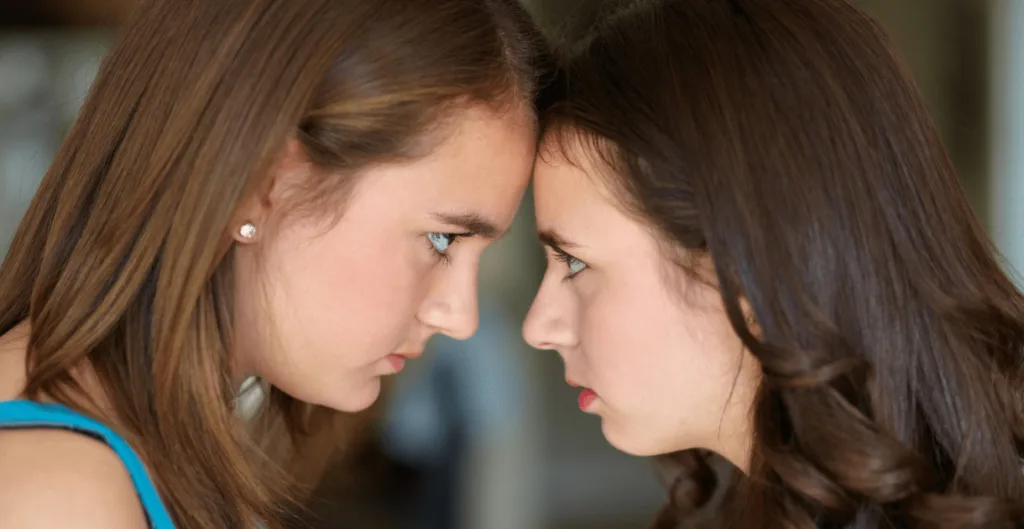
“I hate my sister” frequently refers to a strong emotional response rather than an ongoing hatred. It could be an expression of hurt, rage, envy, resentment, miscommunication, or recurring conflict. Due to comparison, shared experience, and unfulfilled desires, sibling relationships are emotionally intense. Instead of escalating resentment, you can respond calmly, establish boundaries, and enhance communication by realising the true feeling that lies behind your anger.
Giving and receiving space, attention, and belongings are examples of sharing. Your sister may annoy you because she takes things from you without asking and takes up space.
There may also have been rivalry in the past. You can feel like you’re constantly being compared to her or vying for your parents’ attention and favour, which can cause stress and jealousy.
The dynamics of the family are typical. In a way, you’re stuck with them and not with anyone else. Interestingly, though, hatred can occasionally result from familiarity. You see the worst in each other because you are so comfortable with each other. Experts claim that there are strong emotions of jealousy, resentment, or unresolved issues in sibling relationships.
It shows up after arguments, small comments, or even silence. And while part of you knows it sounds harsh, another part feels it deeply. This is where emotional regulation becomes important, because what you’re experiencing is not just anger. It’s layered.
Why Do I Feel Like I Hate My Sister?
Seldom is “I hate my sister” a true statement of hatred. It is typically a powerful emotional response to being offended, disregarded, contrasted, or misinterpreted. When your emotional needs are not satisfied, the emotion serves as a protective mechanism.
Strong emotions can trigger rapid interpretations and reactions, especially in relationships with a long history. When something unfair or terrible occurs, your emotions rise quickly.
For example:
- She gets praised, you feel overlooked
- She criticizes you, and you feel attacked
- She ignores you, and you feel rejected
Your mind connects these moments to your identity. Research on sibling relationships shows that sibling interactions can influence social development, emotional experiences, and family dynamics1. So the feeling isn’t random. It’s built over time.
Emotional pattern behind feeling Hatred for your sister?
You feel intense anger because your brain interprets your sister’s actions as threats to your emotional needs, such as validation, fairness, or belonging.
What’s Happening Inside You
It usually follows a pattern:
- Trigger: She says or does something
- Interpretation: “She doesn’t respect me.”
- Emotion: Anger, frustration, resentment
- Consequence: You feel hate, withdraw, or react
This cycle happens quickly, often without awareness. Also, siblings share history, which makes emotions stronger. Research suggests sibling relationships can involve both support and conflict, with conflict intensity influenced by family processes and individual differences2.
What Causes Sister Jealousy and Comparison?
Jealousy between sisters stems from comparison, perceived favoritism, and differences in personality or success, all of which affect self-worth.
Internal Process Behind Jealousy
You may not notice it directly, but your brain constantly compares:
- Looks
- Achievements
- Attention from parents
- Social success
When the comparison feels unequal, you react emotionally. A study published in the Journal of Family Psychology shows that perceived parental favoritism increases sibling rivalry and emotional distress3. So what feels like hate is hurt mixed with comparison.
Reasons Why You Might Think You Hate Your Sister
Some reasons why you might feel like, “I hate my sister”:
You fear being in the same space with her.
If you find your stomach tightening or you choose another room/route just so you don’t bump into her, that’s a sign.
You simmer over small things she does.
Maybe she rolls her eyes, takes your things without asking, again. If your reaction is significantly stronger than the event, something more profound is likely at play.
You compare unfairly: “She always…” vs “I never…”
Comparisons, especially when one side feels favored, are a root of sibling hatred. Research lists fairness and parental treatment as primary causes.
You feel like you’re competing for your parents’ or family’s attention.
If you think she gets more praise, more freedom, more goodies, and you feel less because of it, resentment builds.
You avoid topics she brings up (and she knows it).
If there are “hot topics” you both avoid (such as past hurts, childhood memories, or family roles), then unresolved issues remain.
You feel less yourself around her.
Maybe you downplay your achievements or hide things because you expect her reaction to be hostile or dismissive.
Old hurt keeps popping up.
Something she did years ago still bugs you. That suggests the root isn’t just the moment, but the memory and what it meant for you.
You catch yourself fantasizing,
“What if she wasn’t around?“
Extreme thought, but real. You might think, “I’d be happier if she weren’t in my life”, or imagine life without her.
You feel relieved when she’s not around.
At family gatherings or calls, you may feel a sense of calm when she leaves. That relief is a sign your body is under stress around her.
You’re unsure if your feeling is “okay” or “wrong”.
You might feel guilty for hating your sister because everyone says “family means love”. But the fact you’re wrestling with it indicates it’s significant.
You’ve tried to fix it and failed, or fear you will fail.
You might have tried talking, or wished you could, but either she rejects you or you shut down. That’s a signal of bigger underlying issues.
Is It Normal to Have Hatred for Your Sister Sometimes?
Yes, it’s normal to feel strong negative emotions toward siblings at times. These feelings are part of close relationships, especially when emotional needs are involved.
Why It Feels So Intense
You didn’t choose your sister, but you share space, history, and expectations.
Because of this:
- Emotions don’t stay neutral
- Comparisons happen naturally
- Conflicts feel personal
But here’s the misunderstanding: You think the problem is your sister. But often, it’s how your mind processes fairness, identity, and emotional validation.
Why Do Small Things Trigger Big Reactions?
Small actions trigger big reactions because they connect to deeper emotional wounds, not just the current situation.
Example
She interrupts you →
You feel disrespected →
Your brain links it to past moments →
Emotion builds quickly
This is called emotional accumulation. Your reaction isn’t just about now. It’s about everything before.
What Are the Most Common Mistakes People Make?
People misinterpret their emotions, react impulsively, suppress their feelings, or blame the other person entirely instead of understanding their own internal response.
Common Mistakes
- Assuming the feeling means true hatred
- Reacting instantly without reflection
- Comparing constantly
- Ignoring emotional needs
- Holding silent resentment
These behaviors keep the cycle going.
When this feeling remains unspoken or unresolved, it can cause harm. It might lead to:
- When she’s around, there’s always tension or low-grade stress.
- Isolation as a result of avoiding her and perhaps other family members.
- Feelings of regret, humiliation, or guilt that you “should” experience love or a connection.
- Lost the opportunity to find harmony or perhaps even a better relationship in the future. For instance, studies reveal that unresolved sibling conflict can last far into adulthood.

How to deal with a difficult sister
Feeling hatred for your sister can be confusing and painful. Family relationships are not always easy, and intense emotions can build up over time. The good news is that there are healthy ways to handle these feelings without hurting yourself or others.
1. Accept Your Feelings
It’s okay to feel angry or hurt. Don’t judge yourself for these emotions. Accepting how you feel is the first step toward healing.
2. Set Clear Boundaries
If your sister’s behavior hurts you, create limits. You don’t have to share everything or stay in every conversation. Boundaries protect your peace.
3. Avoid Unnecessary Arguments
Not every problem needs a fight. Staying calm and choosing silence can sometimes reduce stress and prevent further anger.
4. Take Space When Needed
Distance can be helpful. Taking a break from constant interaction allows you to think clearly and regain emotional balance.
5. Focus on Yourself
Spend time on things that make you feel calm and assertive. Self-care helps reduce negative feelings.
6. Talk to Someone You Trust
Sharing your feelings with a friend or family member can help you feel lighter and understood.
7. Decide What’s Best for You
You don’t have to force closeness. Sometimes keeping a respectful distance is the healthiest choice.Not every sibling relationship needs constant closeness. Respectful boundaries can sometimes be healthier than forced connection.
8. Identify the reasons why you feel Sister jealousy
You can use the following particular questions to help you figure out why you might be hating your sister:
- Is it true that my parents prefer my sister to me?
- Do my sister’s accomplishments make me feel envious?
- Do I disagree with my sister’s decisions or way of life?
- Has my sister ever harmed or mistreated me before?
- Does it seem like my sister doesn’t value my limits or me?
When to Seek Support
Consider professional support if sibling conflict contributes to ongoing anxiety, depression, fear, family breakdown, or significant distress.
What’s Really Happening Inside You?
Your emotional response may be connected to experiences involving fairness, belonging, or feeling valued.
Breakdown
- You want to feel valued
- Something challenges that feeling
- Your brain reacts strongly
- Emotion intensifies
Cognitive appraisal theory suggests that emotions are partly shaped by how people interpret and evaluate situations4. So your feeling is real, but its meaning is deeper.
How Does Emotional Regulation Connect to This Feeling?
Emotional regulation helps you understand and manage your reactions instead of being controlled by them.
Connection
Without regulation:
- Emotions feel overwhelming
- Reactions feel automatic
With awareness:
- You notice patterns
- You understand triggers
- You respond instead of react
This doesn’t remove the feeling, but it changes how it affects you.
Conclusion
If you have hatred for your sister, it signals that something significant in your relationship needs attention. It might not feel dramatic, but beneath the surface lies a story, one of hurt, rivalry, comparison, identity, or loss. The good news is that recognizing the sign is the first step toward change. Whether you heal the relationship or learn to live more peacefully without it shifting, you deserve peace.
People Also Ask
Why do I hate my sister?
You feel hate due to unresolved childhood rivalry, favoritism from parents, ongoing conflict, or one of you feeling ignored or undermined.
How can I cope if I hate my sister?
Set boundaries, reflect on what triggers you, communicate when possible, and consider therapy if the feelings are overwhelming or constant.
How can I overcome my hatred for my sister and move toward acceptance?
Start by understanding the root of your anger, practicing empathy, setting healthy boundaries, and taking care of yourself individually, all of which contribute to peace.
What to do when you don’t like your sibling?
It’s okay not to like your sibling. Give yourself space when needed, set clear boundaries, and avoid unnecessary arguments. Focus on being respectful, not close. Talk to someone you trust about your feelings, and remember you don’t have to force a strong relationship.
How to deal with a toxic sister?
Dealing with a toxic sister starts with setting clear boundaries. Stay calm, limit arguments, and avoid manipulation. Communicate honestly when needed, and protect your emotional space. You can care about family without accepting harmful behavior.
Is sibling hatred normal?
Yes, strong negative emotions between siblings are common. They come from closeness, shared history, and emotional expectations.
Can sibling rivalry last into adulthood?
Yes, unresolved emotional patterns can continue into adulthood, especially if comparison and validation issues remain unaddressed.
Why do I compare myself to my sister?
Comparison is natural in close relationships. Your brain uses it to evaluate self-worth and identity.
Why does my sister trigger me so easily?
She’s emotionally significant to you, so your brain reacts more strongly to her actions than to others.
Is it normal to dislike your sibling?
Yes. Siblings can experience anger, jealousy, frustration, and distance. What matters is understanding the cause and choosing healthy ways to respond.
- Dunn, J. (2002). Sibling Relationships. APA ↩︎
- Brody, G. (1998). Sibling Relationship Quality. NIH
https://www.ncbi.nlm.nih.gov/pmc/articles/PMC2528797/ ↩︎ - Feinberg, M. E., Neiderhiser, J. M., Simmens, S., Reiss, D., & Hetherington, E. M. (2000).
Adolescent, parent, and sibling influences on adolescent conflict. ↩︎ - Lazarus, R. (1991). Emotion and Adaptation. APA
https://psycnet.apa.org/record/1991-97902-000 ↩︎
Written By Mehwish Qurayshi
Mehwish Qurayshi is a Trauma-Informed Emotional Wellness Counsellor trained through NICABM’s Treating Trauma Master Series, which includes NBCC-approved education in Trauma Treatment and Emotional Wellness & Emotional Intelligence – Sourcecode Academia. She has over five years of experience providing emotional wellness counselling, helping individuals heal from trauma, regulate emotions, and build healthy relationships.