23 Toxic Family Behaviors to Avoid for Emotional Freedom
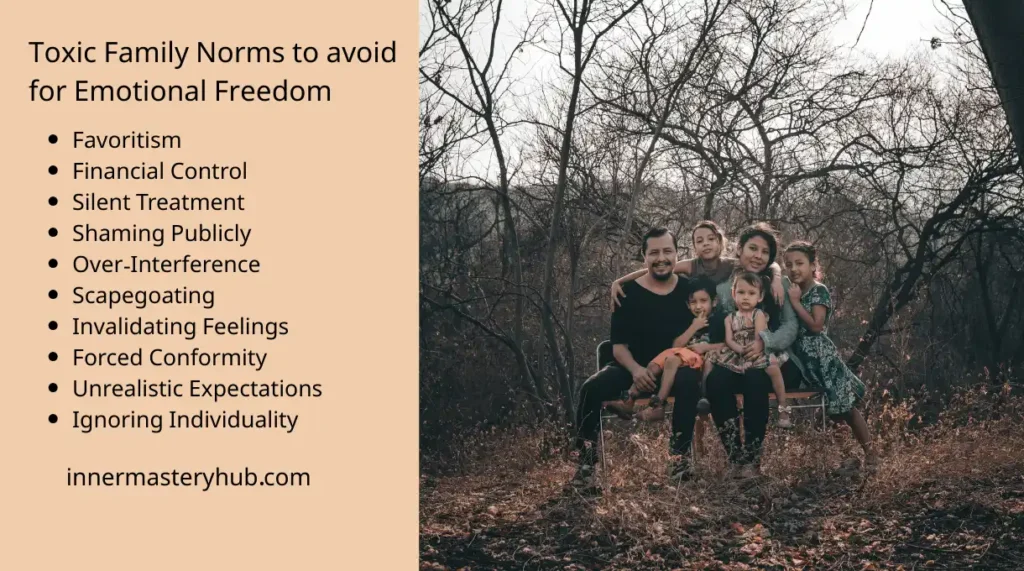
Toxic family behaviors are repeated emotional patterns like manipulation, criticism, control, or neglect that harm your mental well-being and disrupt emotional regulation. These behaviors feel normal because they are familiar, but they slowly shape how you think, feel, and relate to yourself and others.
You’ve probably felt it before.
That quiet discomfort after a conversation.
That heaviness you can’t explain.
That question that keeps coming back:
“Why do I feel worse after being around my own family?”
Toxic family behaviors to avoid aren’t always loud or obvious. Sometimes, they are subtle. They hide in normal conversations, jokes, expectations, and silence. But they slowly affect your emotional regulation, your confidence, and how you see yourself.
You try to stay calm. You try to understand. But inside, something feels off.
Psychologist Carl Rogers once said, “What is most personal is most universal.”
That inner struggle you feel is not random. It’s a response.
The misunderstanding is this:
You think the problem is “you being too sensitive.”
But what’s really happening is your mind reacting to repeated emotional patterns.
What Are Toxic Family Behaviors?
Toxic family behaviors are repeated emotional patterns like criticism, manipulation, control, or neglect that negatively affect your mental health. They feel normal because they are familiar, but they create long-term emotional imbalance and stress.
Toxic doesn’t always mean abusive in obvious ways. It can look like:
- Constant criticism disguised as “advice.”
- Emotional manipulation through guilt
- Lack of emotional support
- Controlling decisions in your life
- Ignoring your feelings
These behaviors create a cycle:
You hear something → you interpret it as rejection → you feel hurt → you react or withdraw.
Over time, this becomes your default emotional pattern.
According to the American Psychological Association, chronic exposure to negative family dynamics increases anxiety, depression, and emotional dysregulation1.
Why Do Toxic Family Behaviors Feel Normal?
Toxic family behaviors feel normal because they are familiar and repeated over time. Your brain adapts to them, even if they are harmful, because familiarity feels safe.
You grew up in this environment. So your mind learned:
“This is how love looks.”
“This is how people communicate.”
But familiarity is not the same as health.
As Sigmund Freud explained, early relationships shape your unconscious patterns. So when toxic behavior repeats, your brain doesn’t question it; it accepts it.
This is why breaking away feels uncomfortable, even when it’s necessary.
23 Toxic Family Behaviors to Avoid
Are you prepared to make your house a respectful and encouraging place by learning about Toxic Family Behaviors to avoid?
Physical Abuse
In families, physical abuse is when someone uses force, such as pushing, slapping, or beating, to control or punish others. This may result in long-lasting mental and physical harm. It is hugely damaging and destroys confidence.
For instance, a parent may severely spank a child for minor mistakes, believing it is a form of discipline, but in reality, it only instills terror. Rely on positive reinforcement and look for therapy or anger management assistance to communicate without using violence to prevent this.
Emotional Struggle
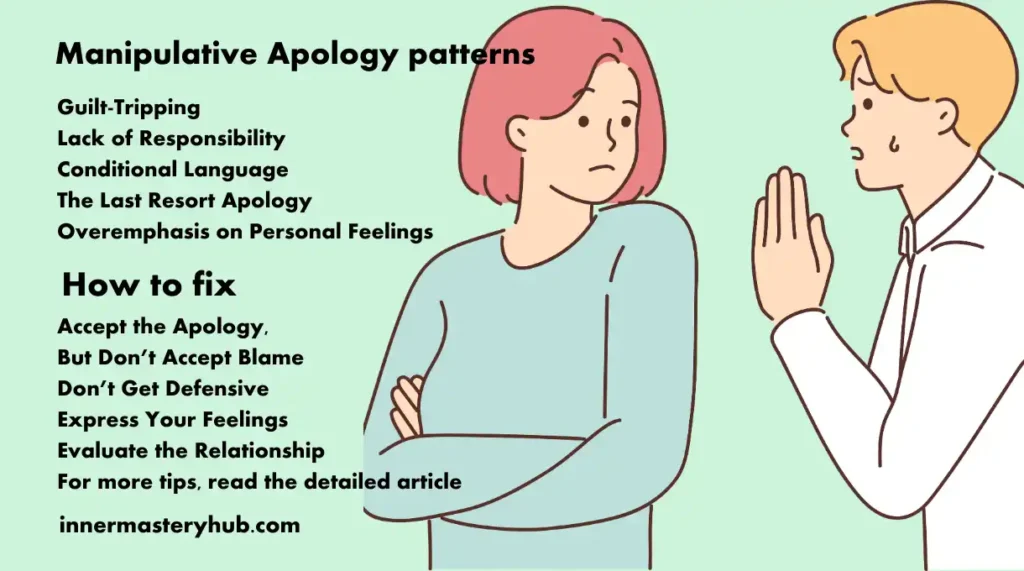
Emotional manipulation is when family members use emotions, such as fear or guilt, to sway judgments. It can cause self-doubt and is a cunning tactic.
You might have a brother who constantly complains about being “abandoned” anytime you had to cancel arrangements because they were absent. The solution? Set clear boundaries, use open communication to identify and avoid harmful habits early.
Verbal Abuse
Verbal abuse is when someone is subjected to derogatory comments that gradually damage their self-worth, such as yelling, insults, or threats. It’s toxic; it’s more than simply arguments.
Imagine a partner who feels unworthy because their spouse calls them “stupid” during every argument. Instead, adopt polite communication patterns, use “I” statements like “I feel frustrated,” and pause before speaking in anger.
Favoritism
Favoritism is one of the most widely practiced toxic family behaviors to avoid. When parents or guardians clearly favor one child over another by showing them more love, gifts, or leniency. This results in low self-esteem and feelings of jealousy in the person being neglected. Giving one child constant recognition for their accomplishments while disregarding the other’s efforts is one example.
Instead, parents should avoid this by treating everyone fairly, recognizing each person’s unique strengths, and holding family gatherings to make sure everyone is acknowledged and respected.
Dishonesty
Lying or concealing facts, whether minor lies or major secrets, undermines confidence within families. For instance, a parent concealing financial difficulties or a teenager exaggerating what they are doing to get out of trouble. Provide a secure environment for honesty, act honestly yourself, and politely confront lies with conversations about the importance of trust to prevent them.
Management of Finances
Using money to control family members, such as by denying them access to money or an allowance as a form of discipline or to force their decisions, is known as financial control. This is the height of power play. Assume that one partner oversees all bank accounts and inspects every dollar the other spends. Let independence and collaborative financial planning prevail in your financial matters.
Silent treatment
Shutting off communication and ignoring someone for days as a form of punishment is known as the silent treatment, a toxic family behavior to avoid. It feels like emotional rejection, isolation, and passive-aggression.
The home becomes uncomfortable where such toxic family behaviors to avoid are commonly employed, for instance, when a family member refuses to acknowledge you or speak after a dispute. To prevent, commit to calming down for a little while before discussing it, and use expressions like “I need space, but let’s chat soon.”
Too Much Criticism
Family members who receive unfair criticism may feel incompetent since they are constantly criticized for their shortcomings or errors without any sense of balance. It is discouraging.
Consider a parent who constantly picks faults with their child’s homework or attire. Correct it by sandwiching criticism with praise, offering suggestions for growth, then giving more love, and concentrating on building confidence rather than jeopardizing it.
Shifting the blame
Shifting the blame places the burden of problems on other people, avoids personal responsibility, and makes people defensive. This game of blame splits families.
Like one individual always says, “This is your fault!” without taking responsibility for their own involvement in a family incident. Reflecting on yourself and asking, “How can we fix this together?” as a team question, and expressing regret when you’re wrong, can help you find solutions.

Controlling Behavior
Controlling behavior limits freedom by regulating every element of family members’ lives, including who they see and what they wear. It’s oppressive. An illustration would be a parent monitoring their adult child’s every action. respect autonomy, and promote decision-making. If the behavior is severe, treatment can help identify and modify it.
Ignoring Conversation
Avoiding conversations about emotions, problems, or plans is known as neglecting communication and can lead to miscommunication and emotional detachment. This is how families move apart. Never talking about everyday stress, for example, causes rivalry to grow unacknowledged. To help everyone feel included and understood, plan occasional check-ins, such as family dinners without electronics, and engage in active listening.
Public Shaming
A family member’s dignity and trust are destroyed when they are publicly humiliated, such as being reprimanded at events. It’s relentless and embarrassing. Imagine a father shouting at a family gathering about a teenager’s grades. Deal with toxic family behaviors or problems in private; instead, give constructive public recognition and use empathy when making fixes.
Not Showing Love
Withholding affection makes loved ones feel hated by refusing them support or encouragement, or using it as a tactic during arguments. It’s harmful and cold. For example, A spouse refrains from all physical contact for weeks following a disagreement. Keep feelings and affection apart; show love often, handle damage head-on, and start over every day with tiny acts of kindness.
Too Much Interference
Meddling unnecessarily in family members’ private lives, such as offering unsolicited advice on their relationships or careers, is known as over-interference. It weakens self-reliance. Take an example of a daily phone contact from an in-law who wants to “help” with decisions about raising children. To avoid, respect boundaries, wait for invitations to offer advice, and offer remote support when necessary.
Scapegoating
Scapegoating places the blame and annoyance on one person, who is therefore held responsible for all family issues. It is unjust and alienating, such as attributing all family disputes, including unrelated ones, to the youngest sibling. Share duties equitably, increase group problem-solving.
Breaking of Promises
Repeatedly breaking commitments, such as promising to attend an event but then canceling, damages a family’s trust and dependability. It’s a huge letdown. For example, a parent who cancels family outings due to work. A solution to this is to rebuild by consistently following through, expressing adjustments early with an apology, and committing only to what you can manage.
Unfair Comparisons
“Why can’t you be more like your brother?” is an example of an unfair comparison that sets family members against one another or strangers. It makes people feel insecure. When parents publicly compare their siblings’ grades, it can make one feel unworthy. Please avoid comparing languages, celebrate each person’s development, and praise their distinct talents.
Forced Conformity
Family members are under pressure to adopt the group’s values, norms, or trajectories while ignoring individual distinctions. It suppresses. For example, requiring everyone to submit to the same faith or profession against their choice. The answer is to support diversity, encourage exploration of interests, and engage in judgment-free, open discussions about values.
Unrealistic Expectations
Unrealistic expectations create stress and failure by demanding perfection or unachievable goals. It’s too much. For instance, encouraging a child to succeed in athletics when their interests lie elsewhere can lead to burnout. Overcome by valuing well-being above perfection, adjusting based on skills, and jointly establishing attainable goals.
Ignoring Individuality
People feel invisible when their individuality is ignored in favor of a “family mold” that overlooks their needs, hobbies, or uniqueness. It homogenizes them. Consider labeling a teen’s distinct style as “weird” and pressuring them to fit in. The answer is to encourage self-expression, discover one another’s interests, and provide room for individual development within the family.
Guilt as a Tool for Discipline
Saying “You’re making me sad” rather than outlining rules is an example of how using guilt as a form of discipline manipulates emotions to compel action. It is a burden. The following is an example of a parent using guilt to get a youngster to do chores: “After all I’ve done for you.” Use positive counsel and clear penalties to prevent, stressing instruction over emotional pressure.
Absence of Responsibility
Refusing to take responsibility for one’s actions or to apologize is a sign of a lack of accountability, which fuels toxic family behavior and resentment. It is a hypocritical act.
When a family member ruins plans, they never take responsibility and instead blame others. Set a good example by being honest about your mistakes, offering genuine apologies, and sharing your learnings to promote a culture of forgiveness.
Building a Healthier Family Future
Identifying which toxic family behaviors to avoid is the first step in changing them, even though they may sap trust and self-worth. These behaviors can range from manipulation to discrimination.
Families can break destructive cycles by fostering open communication, upholding clear boundaries, and seeking help, such as counseling, when needed. Let’s commit to nurturing compassion and understanding to build households where each individual feels appreciated and equipped to succeed.
What Is the Psychological Impact of Toxic Family Behaviors?
Toxic family behaviors can lead to anxiety, depression, low self-esteem, and difficulty forming healthy relationships. These patterns carry into adulthood.
Effects Include
- Emotional instability
- Fear of conflict
- People-pleasing behavior
- Trust issues
Research published in the Journal of Family Psychology shows that negative family environments significantly affect adult mental health outcomes2.
Why Is It So Hard to Break Free from Toxic Family Behaviors?
It’s hard to break free because family bonds are emotional and deeply rooted. Even harmful patterns feel connected to love, identity, and belonging.
You’re not just dealing with behavior.
You’re dealing with:
- Attachment
- Loyalty
- Fear of rejection
As Brené Brown explains, humans are wired for connection, even when it hurts.
So you stay.
You tolerate.
You question yourself.
What Are the Most Common Toxic Family Behaviors to Avoid?
Common toxic family behaviors include emotional manipulation, constant criticism, lack of boundaries, controlling behavior, gaslighting, and neglect. These patterns disrupt emotional stability and create long-term psychological stress.
1. Emotional Manipulation
- Using guilt to control your choices
- Making you feel responsible for others’ emotions
2. Constant Criticism
- Nothing you do feels enough
- Praise is rare or conditional
3. Gaslighting
- Making you doubt your memory or feelings
- Twisting reality to control the narrative
4. Lack of Boundaries
- Ignoring your privacy
- Overstepping personal decisions
5. Emotional Neglect
- Your feelings are dismissed
- No emotional validation
Each behavior reinforces one message:
“Your feelings don’t matter.”
How Do Toxic Family Behaviors Affect Emotional Regulation?
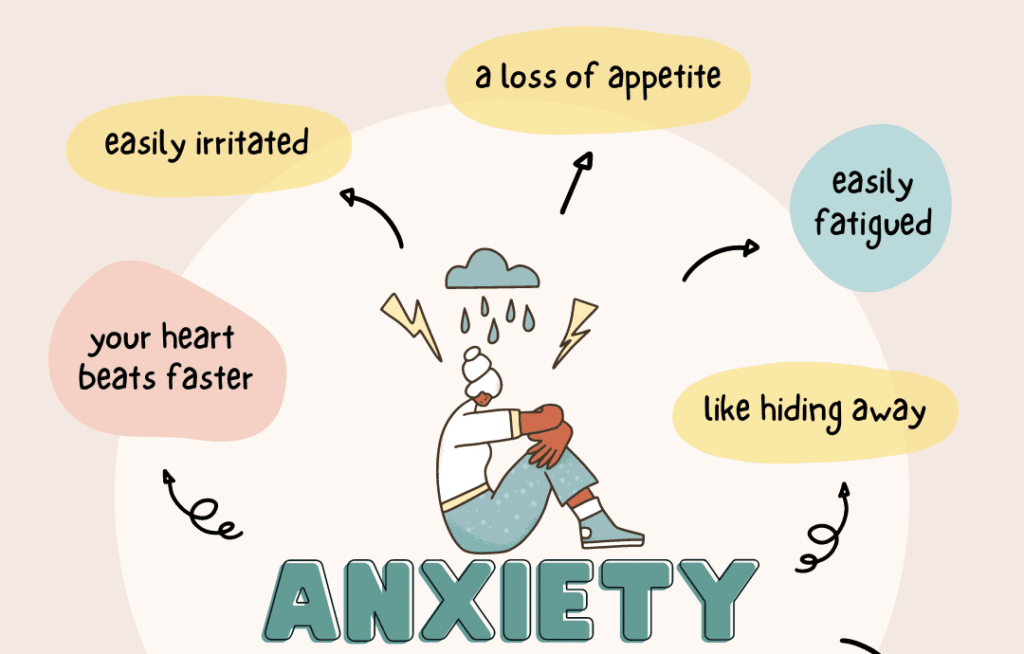
Toxic family behaviors disrupt emotional regulation by creating confusion, stress, and self-doubt. Over time, you may struggle to manage emotions, leading to anxiety, anger, or emotional shutdown.
Here’s what happens internally:
You experience criticism →
You interpret it as rejection →
You feel hurt or anxious →
You either suppress emotions or react strongly
This cycle repeats.
According to research from the National Institute of Mental Health, prolonged exposure to emotional stress affects brain areas responsible for regulation and decision-making3.
So it’s not just emotional.
It becomes biological.
What Mistakes Do People Make When Dealing with Toxic Family Behavior?
People ignore toxic behavior, blame themselves, or try to fix others. These responses keep the cycle alive rather than addressing its emotional impact.
Common Mistakes
- Minimizing the behavior (“It’s not that bad”)
- Self-blame (“Maybe I’m the problem”)
- Seeking approval constantly
- Avoiding conflict completely
- Trying to change others
But here’s the truth:
You cannot control others.
You can only understand what it’s doing to you.
How Can You Recognize Toxic Patterns in Your Family?
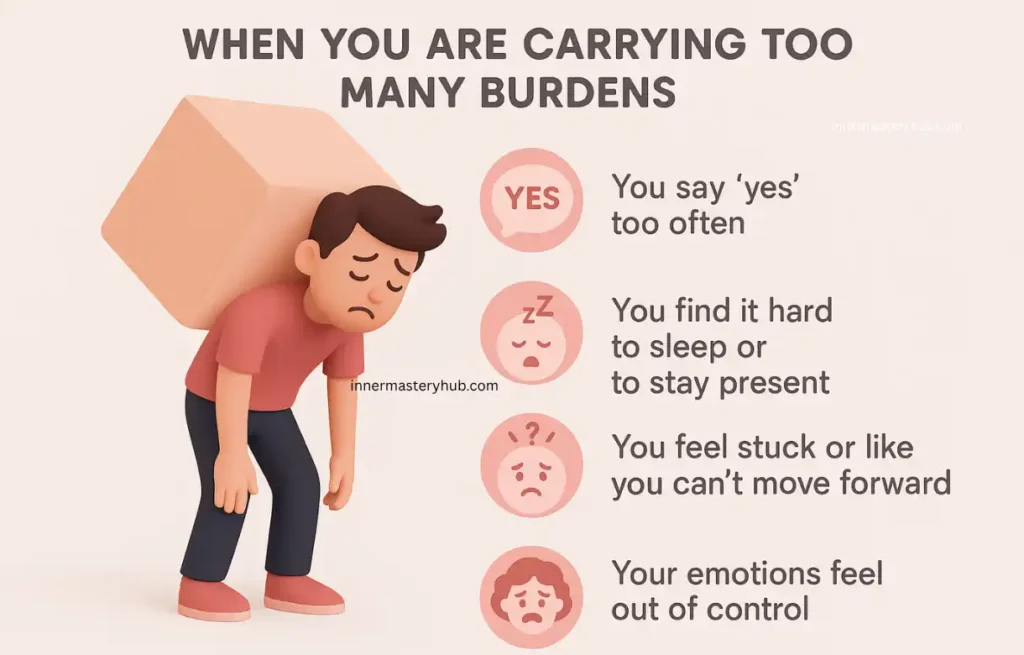
You can recognize toxic patterns by noticing how you feel after interactions: drained, anxious, or invalidated. Repeated emotional discomfort is a sign of unhealthy dynamics.
Signs to Watch
- You feel emotionally exhausted after conversations
- You second-guess yourself
- You avoid expressing your thoughts
- You feel guilty for setting boundaries
Your emotions are signals, not weaknesses.
Conclusion
You don’t need to label your family as “bad” to recognize unhealthy patterns.
But you do need honesty.
Toxic family behaviors to avoid are not always loud.
They are quiet, repeated, and deeply familiar.
The shift happens when you stop asking:
“Why am I like this?”
And start asking:
“What have I been exposed to repeatedly?”
Because understanding the pattern is the beginning of emotional clarity.
FAQs
What are poisonous family behaviors to avoid?
Like gaslighting or favoritism, toxic family behavior manipulates, abuses, and controls emotional well-being. It undermines generations-old trust and self-esteem. Early detection enables therapy and boundaries to break cycles, respecting and supporting relationships through healthy communication.
How to deal with emotional manipulation as a toxic family behavior?
Like guilt-tripping, emotional manipulation manipulates sentiments for control. Notice patterns of skepticism or pressure. Set limits, speak up, and get therapy. Journaling tracks incidents, self-care, and distance if needed. Self-awareness restores autonomy and healthy relationships.
Why do parents show favoritism?
Yelling, insults, threats, and self-deprecating comments are signs. It turns discussions into attacks, worrying victims. One-sided and repetitive, unlike a good debate. Inform reliable friends and record incidents. Therapy helps; learn “I” sentences to respond. Leave if unsafe.
How to stop dishonesty in family relationships?
Unresolved concerns include placing hopes on one child or compensating for past losses, which can lead to favoritism and resentment, resulting in low self-esteem. Unconscious prejudices contribute. Discover roots through family therapy. Celebrate all accomplishments equally to promote justice and harmony.
How to treat the toxic family behavior of practicing dishonesty?
Through secrets or lies, dishonesty undermines trust. Encourage transparency by setting an example of integrity and establishing safe spaces for the truth. Talk about the repercussions in a non-punitive manner. The reasons behind it are revealed by family counseling. Frequent check-ins promote openness. Rebuild by taking persistent action; accountability leads to forgiveness, which gradually fortifies ties.
What does family financial control mean?
Financial control, such as restricting expenditure or withholding funds, uses money to exert dominance. It fosters resentment by limiting independence. Typical in parent-child relationships or marriages. Encourage transparency and collaborative budgeting. Seek treatment or financial education. In cases of abuse, legal counsel is helpful. Boundaries and financial literacy lead to empowerment.
What effects does the silent treatment have on family members?
Silent therapy causes emotional estrangement, self-doubt, and worry. Passive-aggressive punishment exacerbates disputes. Break it by quietly communicating your requirements once you’ve calmed down. Healthy conflict resolution is taught in therapy. Encourage “timeout” policies through follow-up discussions. To avoid escalation and preserve connection, put empathy first.
What causes over-criticism in families?
Excessive criticism might be caused by stress, perfectionism, or childhood-learned tendencies. It crushes confidence, leading to avoidance or rebellion. Balance with praise; use constructive feedback. Patterns are found through family therapy. Focus on strengths to shift dynamics. Self-reflection aids critics, while positive affirmations help victims become more resilient.
How to handle blaming as a toxic family behavior in arguments?
By shifting accountability, blaming encourages defensiveness and hurtful cycles. Own your role by using “I” statements. Encourage problem-solving in teams. Therapy encourages responsibility. Let disagreements cool down. To find trends, keep a journal. Empathy minimizes culpability; applaud collaborative solutions. This efficiently settles disputes and fosters mutual respect.
Why is controlling toxic family behaviors harmful in families?
Controlling restricts freedom of choice, which breeds discontent or insurrection. It comes from insecurity or fear. Establish firm boundaries and look for underlying causes in therapy. Promote self-reliance by making decisions together and respecting personal development. To foster trust and personal growth, healthy families strike a balance between direction and autonomy.
- American Psychological Association (APA) – Family dynamics & mental health
https://www.apa.org/pubs/journals/fam ↩︎ - Journal of Family Psychology – Impact of family environment on mental health
https://www.apa.org/pubs/journals/fam ↩︎ - National Institute of Mental Health (NIMH) – Emotional regulation research
https://www.nimh.nih.gov/health/topics/caring-for-your-mental-health ↩︎