6 Traits of a Sheltered Person That Can Undermine Emotional Strength
A sheltered person is someone raised in an overly protective environment that limits exposure to challenges, which can influence emotional regulation, decision-making, and social confidence. These traits are learned psychological patterns rather than personality flaws and can gradually change through life experiences.

You may look confident from the outside. But inside, you sometimes hesitate before simple decisions. You worry about saying the wrong thing. New environments feel overwhelming even when nothing dangerous is happening.
This quiet conflict appears in people who grew up protected from too many experiences. These are called the traits of a sheltered person.
Being sheltered is not simply about strict parents or limited freedom. It is deeply connected to emotional regulation, personal development, and how the brain interprets unfamiliar situations.
A sheltered upbringing can create a pattern: when life presents uncertainty, your mind quickly moves toward caution or fear rather than curiosity. Over time, this shapes how you trust others, make decisions, and manage emotions.
Many people believe sheltered people are simply shy or naive. But the real story is more psychological. Inside, there is a constant process:
A situation appears → the mind interprets it as risky → emotions rise → behavior becomes cautious or avoidant.
Understanding this process reveals the deeper traits of a sheltered person and how those patterns form.
What Does “Sheltered Person” Mean?
A sheltered person is someone who grew up with limited exposure to challenges, diverse experiences, or independent decision-making. This upbringing leads to cautious thinking, difficulty regulating emotions in unfamiliar situations, and a strong reliance on safety or authority.
Definition
A sheltered upbringing refers to an environment where caregivers limit exposure to risk, conflict, independence, or real-world experiences to protect a child.
Psychology research shows that excessive protection can unintentionally reduce opportunities for emotional regulation and resilience development.
According to developmental psychologist Diana Baumrind, overly controlling parenting styles can restrict autonomy and exploration, which are critical for emotional maturity 1.
Why Do Sheltered Upbringings Affect Emotional Regulation?
Sheltered environments limit opportunities to practice emotional coping. Without exposure to manageable stress or challenges, the brain struggles to regulate emotions when unfamiliar situations arise.
The Psychological Mechanism
Children learn emotional regulation through experience. They encounter challenges, feel discomfort, and gradually learn to process those emotions.
But when experiences are constantly controlled or removed, the learning process slows.
Research from Harvard’s Center on the Developing Child explains that moderate stress helps build emotional resilience. Without it, individuals may struggle to manage anxiety later in life2.
The pattern usually unfolds naturally:
A new situation appears.
The brain interprets it as unsafe or unpredictable.
Emotions rise quickly.
The person withdraws or seeks reassurance.
This is not a weakness. It is simply a skill that has had fewer opportunities to develop.
What Are the Most Common Traits of a Sheltered Person?
Common traits of a sheltered person include social hesitation, difficulty making decisions, fear of unfamiliar environments, reliance on authority figures, and heightened sensitivity to criticism or conflict.
Limited Exposure to Different Experiences
A sheltered person often grows up in an environment that offers few opportunities to face real-world challenges. This could be because they weren’t allowed to make their own decisions, or they were restricted from interacting with people outside their immediate circle. The lack of exposure means they might not fully understand different viewpoints, cultures, or lifestyles.
Over-Dependence on Others
A person who has been sheltered might rely heavily on others for emotional or practical support. They may struggle to make decisions independently because they have not yet developed the necessary skills for navigating the complexities of everyday life. You might find yourself asking for help or avoiding responsibilities that others might handle with ease.
Difficulty Handling Conflict
A sheltered person avoids confrontation or struggles with handling conflict. Since their environment may have been peaceful and controlled, they may not have had to deal with challenging situations, disagreements, or diverse opinions. As a result, they might feel overwhelmed or frustrated when conflict arises.
Naivety or Lack of Street Smarts
A sheltered person can sometimes seem naive or unaware of the “real world” outside of their protected environment. They might not understand the risks or challenges others face because they’ve been shielded from these realities. In everyday situations, they may struggle with decision-making or risk management.
Difficulty Making Independent Decisions
Sheltered people often seek reassurance before acting.
This happens because many decisions were previously made by parents or authority figures.
Psychologist Erik Erikson described autonomy development as a critical stage in childhood. When autonomy is limited, confidence in decision-making may remain fragile3.
How can you tell someone was sheltered?
You can often tell someone was sheltered if they lack awareness of common struggles, seem shocked by everyday problems, rely heavily on others’ guidance, avoid unfamiliar situations, and assume their experiences are universal or that life is generally easy.
Anxiety and Fear of the Unknown
If you’ve been sheltered, stepping into unfamiliar situations might trigger anxiety. Whether it’s meeting new people or taking on a new responsibility, the fear of the unknown can seem overwhelming. A sheltered upbringing can make one feel insecure or out of place when faced with life’s unpredictability.
The Problem with Being Sheltered
Now, let’s discuss the problems that a sheltered upbringing can create. Growing up in a protected climate might feel safe, but it can also create long-term difficulties. These challenges are often not immediately apparent. Over time, you may realise that a sheltered upbringing leaves you unprepared for the ups and downs of adulthood.
How does being sheltered affect adulthood?
Being sheltered can make adulthood harder because the person may struggle with independence, decision-making, and coping with stress. They might feel anxious in new situations, lack problem-solving skills, or be unprepared for failure, conflict, and real-world responsibilities.
Lack of Practical Skills
One of the biggest issues is that you may lack the practical skills needed to thrive in the real world. Simple tasks like managing money, solving problems independently, or even socialising in diverse groups may seem intimidating. This lack of skill can make everyday
Social Isolation
A sheltered upbringing can also contribute to feelings of isolation. If you were raised in a bubble, your social circle might have been relatively small, with limited exposure to people from different backgrounds, beliefs, or experiences. This lack of diversity in social interactions can hinder your ability to connect with others. It can leave you feeling disconnected and lonely, even when surrounded by people.
Fear of Unfamiliar Situations
New environments may trigger anxiety or hesitation.
The mind automatically scans for risks rather than opportunities.
This reaction forms because unfamiliar situations were rarely experienced during early development.
High Sensitivity to Criticism
Criticism can feel overwhelming.
If someone grows up in a controlled environment, mistakes may have been avoided rather than explored. When criticism appears later in life, it may feel like failure instead of feedback.
Limited Social Confidence
Social settings require improvisation and uncertainty.
For someone sheltered, this unpredictability can feel emotionally draining.
They may appear quiet or reserved while internally analyzing every interaction.
Strong Need for Safety and Structure
Predictable environments feel comfortable.
Sudden changes may trigger stress or overthinking.
This trait often reflects a lifetime of structured surroundings.
Limited Career Opportunities
Without exposure to real-world challenges, you might find it harder to adapt to different work environments. People who have had a more diverse set of experiences tend to be more adaptable, which is crucial in the workplace. They understand how to navigate challenges and communicate effectively with diverse groups of people.
A sheltered person may struggle with the demands of their career, especially in positions that require critical thinking and problem-solving.
What Is the Psychological Process Behind Sheltered Behavior?
Sheltered behavior develops through repeated experiences where risk is removed and safety is emphasized. Over time, the brain associates unfamiliar situations with potential danger.
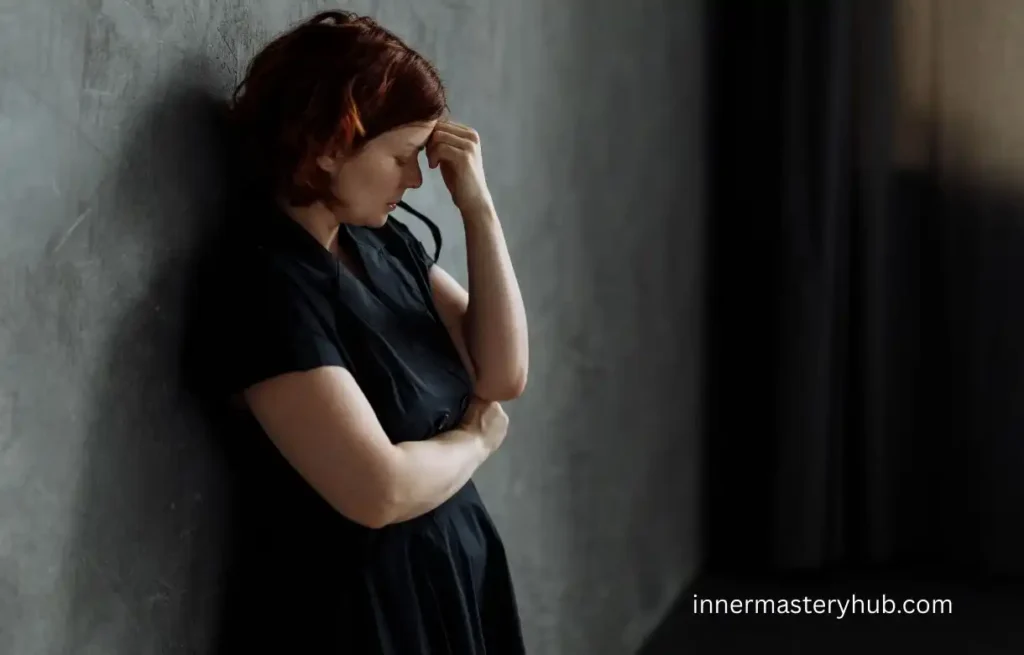
The Internal Chain Reaction
Imagine a simple social event.
You enter a room where you know a few people.
Your brain quickly interprets the situation as uncertain.
Your body responds with tension or anxiety.
You begin to withdraw or stay quiet.
Nothing actually goes wrong, but the emotional memory strengthens.
This process gradually reinforces cautious behavior.
Psychologist Albert Bandura called this self-efficacy. When individuals lack experience solving challenges independently, their confidence in handling new situations decreases4.
What Mistakes Do Sheltered People Often Make?
Sheltered people avoid challenges, overthink social interactions, or depend too heavily on external guidance.
1. Avoiding Uncertainty
Avoidance feels safe in the moment.
But it quietly strengthens fear of unfamiliar experiences.
2. Overthinking Social Situations
Small interactions can become mental puzzles.
You replay conversations and analyze what others may think.
3. Waiting for Permission
Sometimes you hesitate before acting because you subconsciously expect approval.
This reflects earlier environments where authority figures guided most decisions.
A Common Pattern
Consider a university student raised in a highly protective home.
At school, they excel academically. But group discussions feel uncomfortable.
When classmates debate ideas openly, the student hesitates. Not because they lack thoughts, but because conflict feels unfamiliar.
Over time, they begin to interpret normal disagreement as personal risk.
This illustrates how sheltered traits interact with emotional regulation.
Nothing dangerous occurs, but the emotional system reacts strongly.
What Do Famous Authors and Psychologists Say?
Carl Jung
Psychiatrist Carl Jung believed personal growth happens when individuals face unfamiliar parts of themselves.
He wrote:
“The privilege of a lifetime is to become who you truly are.”
For sheltered individuals, this often begins when they encounter new environments that challenge old assumptions.
Brené Brown
Researcher Brené Brown explains that vulnerability is essential for courage and growth.
Protection can prevent failure, but it can also limit emotional learning.
Malcolm Gladwell
Author Malcolm Gladwell highlights the role of experience in shaping confidence.
People gain confidence not from comfort, but from repeatedly navigating challenges.
How Does a Sheltered Upbringing Affect Adult Life?
A sheltered upbringing can influence relationships, career decisions, and emotional confidence. Adults may struggle with uncertainty or independence, but can gradually adapt through experience.
Key Areas Affected
Relationships
Communication may feel cautious. Conflict avoidance is common.
Career
Risk-taking may feel uncomfortable. Decision-making may require more reassurance.
Self-Confidence
Confidence grows more slowly because fewer past experiences confirm personal capability.
Yet research shows personality and emotional patterns remain flexible throughout life.
Psychologist Carol Dweck’s work on the growth mindset demonstrates that abilities and confidence can evolve through experience5.
What Are the Most Misunderstood Traits of a Sheltered Person?
People confuse sheltered traits with weakness or immaturity. In reality, they are learned psychological patterns created by protective environments.
Common Misunderstandings
Many assume sheltered people lack intelligence or motivation.
But the real difference is exposure.
If someone grows up navigating diverse challenges, their emotional responses adapt faster.
If someone grows up protected from risk, their brain simply has fewer reference points.
Author Susan Cain, known for her work on introversion, argues that quiet or cautious personalities are misunderstood in fast-paced societies.
As she explains:
“There’s zero correlation between being the best talker and having the best ideas.”
This insight reminds us that sheltered traits often mask thoughtful and observant minds
How A sheltered upbringing Affects Your Mental Health
Being sheltered doesn’t just affect your social or professional life; it can also impact your mental well-being. Here are a few mental health challenges that might stem from a sheltered upbringing :
Increased Anxiety and Stress
Living in a protected environment often means avoiding uncomfortable situations. When you face new or complex challenges, your body and mind may react with anxiety or stress, as you haven’t had the practice of managing such emotions. The fear of failure can become overwhelming, making it difficult to take on new responsibilities or challenges.
Low Self-Esteem
A sheltered upbringing makes you incapable of handling the real world. Over time, this can lead to a lack of confidence in your abilities. When you struggle to handle basic tasks or social interactions, it can erode your sense of self-worth.
Depression and Loneliness
The combination of isolation, fear of the unknown, and a lack of confidence can contribute to feelings of depression. A sheltered upbringing can leave you feeling you missed out on experiences, leading to sadness or a sense of disconnection from the world around you.
Why Does a sheltered upbringing Matter?
At this point, you may be wondering why it’s so essential to discuss the traits of a sheltered person. A sheltered upbringing does not seem like a significant issue at first. After all, it’s natural to want to protect yourself or your loved ones from harm.
However, when you become an adult, the limitations caused by a sheltered upbringing can become more apparent. You may find yourself struggling in areas where others seem to thrive effortlessly.
The consequences of remaining sheltered can affect your personal relationships, career growth, and emotional well-being. The longer you avoid stepping out of your comfort zone, the harder it can be to catch up with the skills and experiences you’ve missed. If you’re tired of feeling stuck and want to break free from your sheltered world, the next step is to make a change.
Overcoming the Traits of a Sheltered Person
So, how can you break free from the limitations of being sheltered? Here are a few practical steps that can help you become more confident, independent, and better equipped to handle life’s challenges.
1. Expose Yourself to New Experiences
One of the best ways to overcome a sheltered upbringing is to start exposing yourself to new experiences. You don’t have to dive headfirst into something huge, but start small.
Whether it’s setting new goals, travelling to a new place, or taking on a new hobby, getting out of your comfort zone will help you grow. Over time, these experiences will help you build the skills necessary to handle challenges.
For example, you could volunteer in a community project, join a local group, or even take up an online course in something you’ve never tried before. Each small step outside your comfort zone adds to your confidence and personal growth.
2. Learn Decision-Making Skills
A sheltered upbringing means that others have made decisions on your behalf. To overcome this, start making decisions independently. Begin with small choices, like what to eat for dinner or which book to read. As you become more comfortable with these choices, move on to larger decisions, such as managing your finances or setting long-term goals.
Learning how to make decisions independently will increase your independence and self-confidence.
3. Practice Conflict Resolution
Since a sheltered upbringing can lead you to avoid conflict, it’s essential to practice conflict-resolution skills. This doesn’t mean starting arguments; it means learning to communicate effectively when disagreements arise. You can begin by discussing your opinions with friends or family, expressing your needs, and being open to hearing different perspectives.
Conflict resolution is a crucial life skill, and the more you practice, the more natural it will become.
4. Challenge Your Fears
Fear of the unknown is a significant obstacle for people who are sheltered. To overcome this fear, start challenging yourself regularly. You don’t have to
5. Build a Support System
Surround yourself with people who encourage personal growth. Having a support system of friends, mentors, or family members can help you feel more comfortable as you take on new challenges. These people can offer guidance, share their experiences, and encourage when things get tough.
Understanding the Traits of a Sheltered Person
The traits of a sheltered person are not flaws. They are emotional patterns shaped by environments designed to protect.
But protection sometimes removes opportunities to practice resilience.
When unfamiliar experiences appear, the mind may interpret them as risk rather than growth.
Yet awareness changes perspective.
Once you understand the emotional chain, experience, interpretation, feeling, and response, you begin to see your reactions differently.
And that shift alone can open space for curiosity instead of fear.
Not through sudden transformation, but through gradual exposure to new experiences.
FAQs
What defines the traits of a sheltered person?
A sheltered person is someone who has been protected from life’s challenges, often leading to limited exposure to real-world experiences.
How does being sheltered affect decision-making?
Individuals who are sheltered may struggle with decision-making due to a lack of experience in facing consequences and making independent choices.
Do traits associated with being sheltered affect social skills?
Yes, limited social interactions during upbringing can lead to difficulties in understanding social cues and engaging in diverse social settings.
Are having traits of a sheltered person make you prone to anxiety?
Growing up in a protected environment can contribute to heightened anxiety, especially when faced with unfamiliar situations.
What happens when overprotected children grow up?
When overprotected children grow up, they may struggle with confidence, independence, and resilience. They can fear failure, avoid risks, depend on others for decisions, and feel overwhelmed by normal adult responsibilities because they had little chance to practice coping on their own.
Are sheltered people socially awkward?
Not necessarily. Many sheltered individuals are thoughtful observers who simply need more time to adjust to unfamiliar social situations.
How do sheltered traits affect relationships?
Sheltered individuals may avoid conflict or feel uncertain about expressing opinions. However, awareness and communication can help build healthier relationship dynamics.
- Baumrind, D. (1991). Parenting styles and adolescent development. Journal of Early Adolescence, 11(1), 56–95. ↩︎
- Center on the Developing Child at Harvard University. (2015). A guide to resilience. Harvard University.
https://developingchild.harvard.edu/resource-guides/guide-resilience/ ↩︎ - Erikson, E. H. (1963). Childhood and society (2nd ed.). New York, NY: W. W. Norton & Company. ↩︎
- Bandura, A. (1997). Self-efficacy: The exercise of control. New York: Freeman. ↩︎
- Dweck, C. S. (2006). Mindset: The new psychology of success. Random House. ↩︎